
Why Are Chinese Tea Cups So Small? Exploring Tradition and Function
Jul 10,2025 | TeaTsy Team
Have you ever picked up a delicate Chinese tea cup and wondered, “Why are Chinese tea cups so small?” These tiny vessels, often no larger than a thimble, stand in stark contrast to the generous mugs common in Western kitchens. Yet, their petite size is no accident—it’s a fascinating blend of tradition, practicality, and artistry that has evolved over centuries. As of 09:42 AM +08 on Thursday, July 10, 2025, tea enthusiasts worldwide are diving into the world of Chinese tea cups, seeking to uncover the secrets behind their design. This article explores the historical roots, functional advantages, and modern twists of these iconic cups, answering your questions about “Chinese tea cups” and how they enhance the tea-drinking experience.
Historical and Cultural Reasons Behind Small Chinese Tea Cups
The story of Chinese tea cups begins over 4,000 years ago, tied to the legend of Emperor Shen Nong, who discovered tea around 2737 BCE. As tea culture flourished in China, particularly during the Tang (618–907 CE) and Song (960–1279 CE) dynasties, the way tea was consumed evolved. Small cups became a hallmark of this tradition, reflecting philosophical ideals of harmony, mindfulness, and respect.
In the Song Dynasty, tea was often whipped into a frothy powder, sipped slowly from tiny bowls to savor its aroma and texture. By the Ming Dynasty (1368–1644 CE), loose-leaf tea emerged, and the focus shifted to appreciating the tea’s flavor in small, controlled sips. The size of Chinese tea cups—typically holding just 20-50 milliliters—encourages this deliberate pace, aligning with Confucian and Taoist values of balance and presence. The Chinese tea ceremony further cemented this practice, where small cups foster a communal, meditative experience.
Culturally, the small size also symbolizes humility and sharing. In a traditional setting, a host might serve multiple rounds from a “Chinese tea cup with lid,” ensuring everyone enjoys fresh brews. This ritual underscores hospitality, a cornerstone of Chinese social life.
Functional Benefits of Small Chinese Tea Cups
Beyond tradition, the petite size of Chinese tea cups offers practical advantages that enhance the tea-drinking experience. These benefits explain why “Chinese tea cups” remain a preferred choice for purists.
- Heat Retention and Safety: Small cups cool quickly, allowing you to sip without burning your tongue. This is crucial for teas like oolong or pu-erh, served hot during the Chinese tea ceremony. The reduced volume minimizes heat loss, keeping the tea warm without needing insulation.
- Flavor Concentration: With less liquid, the tea’s aroma and taste are more intense. A 30ml cup of Longjing green tea delivers a concentrated burst of grassy notes, letting you focus on the nuances that larger cups might dilute.
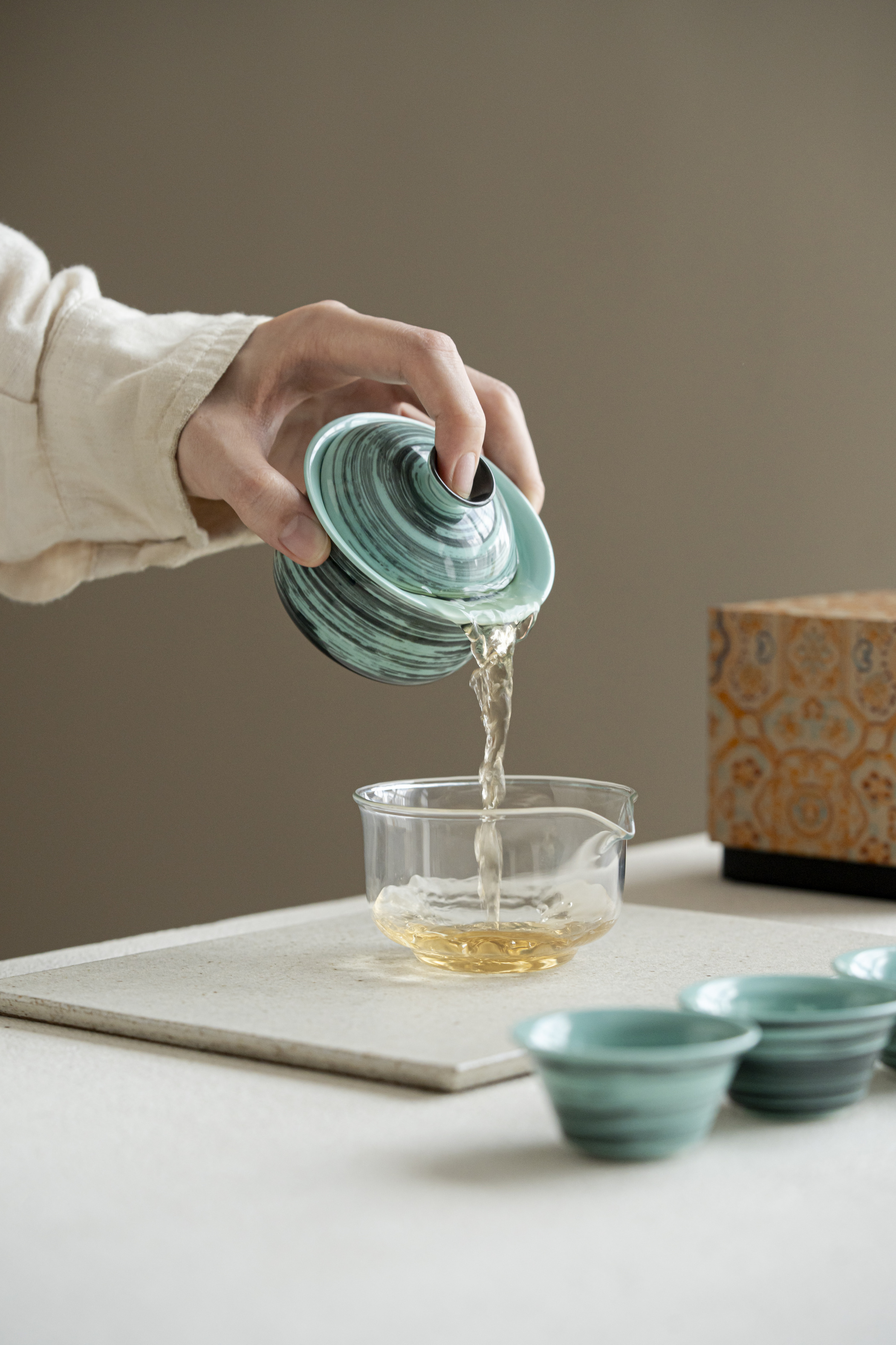
- Multiple Infusions: Many Chinese teas, especially oolong and pu-erh, are brewed multiple times. Small cups align with this practice, as frequent refills from a teapot or gaiwan maintain freshness. A “Chinese tea cup with lid” can even trap aromas between pours.
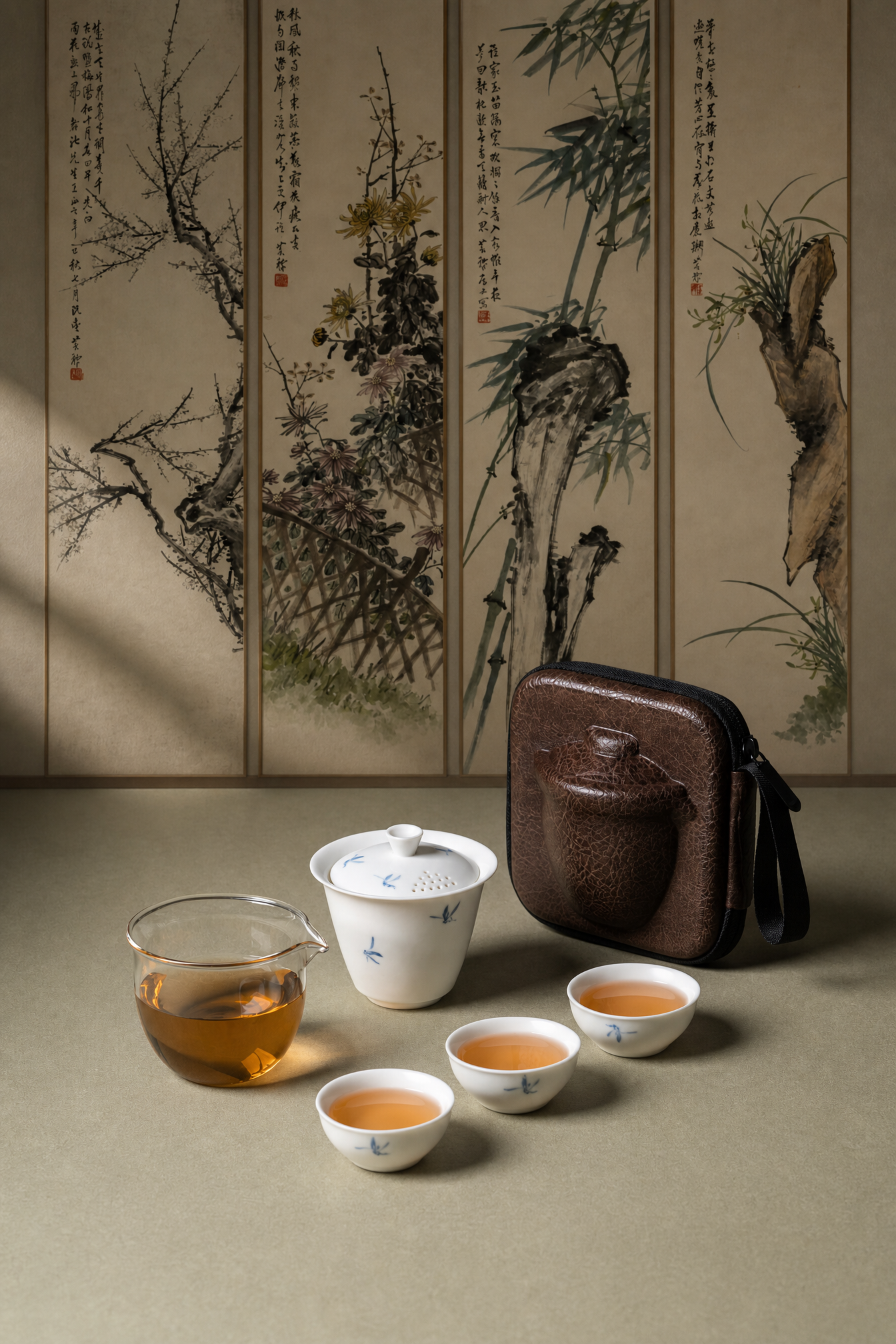
- Portability: The compact size suits travel tea sets, popular among modern tea lovers on the go. A small cup paired with a lidded gaiwan fits easily into a bag, making it ideal for outdoor enjoyment.
These functional perks highlight why small Chinese tea cups are designed for both enjoyment and efficiency, appealing to those exploring “Chinese tea cups” for practical use.
Comparison with Western Tea Cups
Western tea cups, often holding 150-200ml, contrast sharply with their Chinese counterparts. This difference stems from cultural drinking habits and tea preparation methods.
In Britain, tea culture evolved around black tea, typically served with milk and sugar, necessitating larger cups to accommodate the additions. The sturdy handles and broader bases of Western cups prioritize comfort for prolonged sipping, often during afternoon tea rituals. Conversely, Chinese tea cups lack handles, encouraging a hands-on approach that connects you to the tea’s warmth—a nod to the tactile nature of the Chinese tea ceremony.
Material also plays a role. Western cups are often ceramic or porcelain with thick walls for durability, while Chinese tea cups, especially those made from Yixing clay or thin porcelain, are lighter and designed to enhance heat transfer. A “Chinese tea cup with lid” adds a layer of functionality absent in Western designs, preserving heat and aroma during short sips.
This comparison reveals how “Chinese tea cups” cater to a focused, ritualistic experience, while Western cups suit a more casual, voluminous approach.
How to Hold a Chinese Tea Cup
For beginners asking “how to hold Chinese tea cup,” the technique is both practical and cultural. Unlike Western cups, Chinese tea cups are handle-less, requiring a specific grip to enjoy them safely and respectfully.
- Basic Grip: Hold the cup with your thumb and index finger on the rim, supporting the base with your middle finger. This stabilizes the small vessel and allows you to feel the tea’s warmth—a sensory element of the experience.
- Traditional Method: In formal settings, use both hands: one to hold the cup and the other to support the saucer or base. This gesture shows respect, especially during the Chinese tea ceremony.
- Safety Tip: Sip slowly, as the small size means the tea remains hot. Tilt the cup gently to your lips, avoiding spills.
Practice makes perfect. Start with a cooled cup to build confidence, and soon you’ll master the art of holding “Chinese tea cups” with ease.
Modern Adaptations of Chinese Tea Cups
As tea culture evolves, so do Chinese tea cups, with modern designs addressing contemporary needs. The rise of “Chinese tea cups without handles” reflects this shift, blending tradition with practicality.
- Handleless Designs: Traditional Yixing clay or porcelain cups remain popular, but modern versions often feature ergonomic shapes for better grip. These are ideal for minimalist homes or travel tea sets.
- Chinese Tea Cups with Lid: Lidded cups, or gaiwans, have seen a resurgence, offering portability and aroma retention. A lidded cup keeps tea warm during commutes, appealing to urban tea drinkers.
- Material Innovations: Some brands now use heat-resistant glass or double-walled designs, combining the aesthetic of “Chinese tea cups” with Western durability. These are marketed toward U.S. consumers seeking stylish yet functional options.
- Eco-Friendly Trends: Sustainable bamboo or recycled porcelain cups are gaining traction, aligning with global environmental concerns while honoring Chinese tea traditions.
These adaptations ensure “Chinese tea cups” remain relevant, bridging old-world charm with modern lifestyles.
Comment