
Chinese Tea Tasting: How to Appreciate Flavors and Aromas
Jul 10,2025 | TeaTsy Team
Step into the serene world of Chinese tea tasting, where every sip unveils a story of tradition, nature, and craftsmanship. Far more than a simple drink, Chinese tea tasting is an art form that invites you to explore the intricate dance of flavors and aromas locked within each leaf. Whether you’re a beginner or a seasoned enthusiast, this guide will walk you through the essentials of Chinese tea appreciation, from understanding flavor profiles to hosting your own tasting event. Let’s embark on a journey to savor the soul of “Chinese tea flavors” like never before.
Basics of Tea Tasting
Chinese tea tasting is a mindful practice rooted in centuries of culture, where the senses guide the experience. Unlike casual drinking, it’s about engaging fully with the tea—observing its color, inhaling its aroma, and tasting its layers. This process, central to “Chinese tea appreciation,” originated with the Tang Dynasty (618–907 CE), when Lu Yu’s The Classic of Tea emphasized sensory evaluation. Today, it’s a global pursuit, with enthusiasts searching “Chinese tea tasting near me” to join local events.
To begin, you’ll need a quiet space, a small tea set (like a gaiwan or Yixing pot), and high-quality loose-leaf tea. The goal is to assess the tea’s quality, origin, and character, connecting you to its heritage. Preparation involves using fresh, filtered water and precise temperatures—typically 175-205°F depending on the tea type. This sets the stage for a sensory adventure, linking to our guide on Chinese Tea Types for variety insights.
Key Flavor Profiles of Chinese Tea
The world of “Chinese tea flavors” is vast, offering a spectrum that reflects regional terroir and processing methods. Understanding these profiles enhances your tasting skills and deepens “Chinese tea appreciation.”
- Grassy and Fresh: Common in green teas like Longjing, this profile features vegetal notes with a hint of sweetness, reminiscent of freshly cut grass or steamed vegetables.
- Floral and Fruity: Oolong teas, such as Tieguanyin, often present jasmine-like floral tones or subtle peach and orchid hints, especially from Fujian’s highlands.
- Earthy and Woody: Pu-erh tea, fermented in Yunnan, delivers deep, forest-floor aromas with a smooth, mushroom-like finish that evolves with age.
- Malty and Robust: Black teas like Keemun offer a bold, malt-like taste with a hint of spice, ideal for a strong morning brew.
- Nutty and Mellow: Yellow tea, such as Junshan Yinzhen, brings a gentle chestnut or roasted almond flavor, softened by its unique yellowing process.
- Delicate and Honeyed: White teas like Baihao Yinzhen shine with light, honeyed sweetness and faint floral undertones, showcasing minimal processing.
These profiles vary with harvest time, oxidation level, and storage, making each cup a unique exploration of “Chinese tea flavors.”
Tasting Techniques for Chinese Tea
Mastering Chinese tea tasting requires a structured approach to engage all senses. Here’s how to refine your skills:
- Observe the Dry Leaves: Before brewing, examine the leaves’ color, shape, and size. Rolled oolong balls or flat green tea leaves hint at their origin and processing.
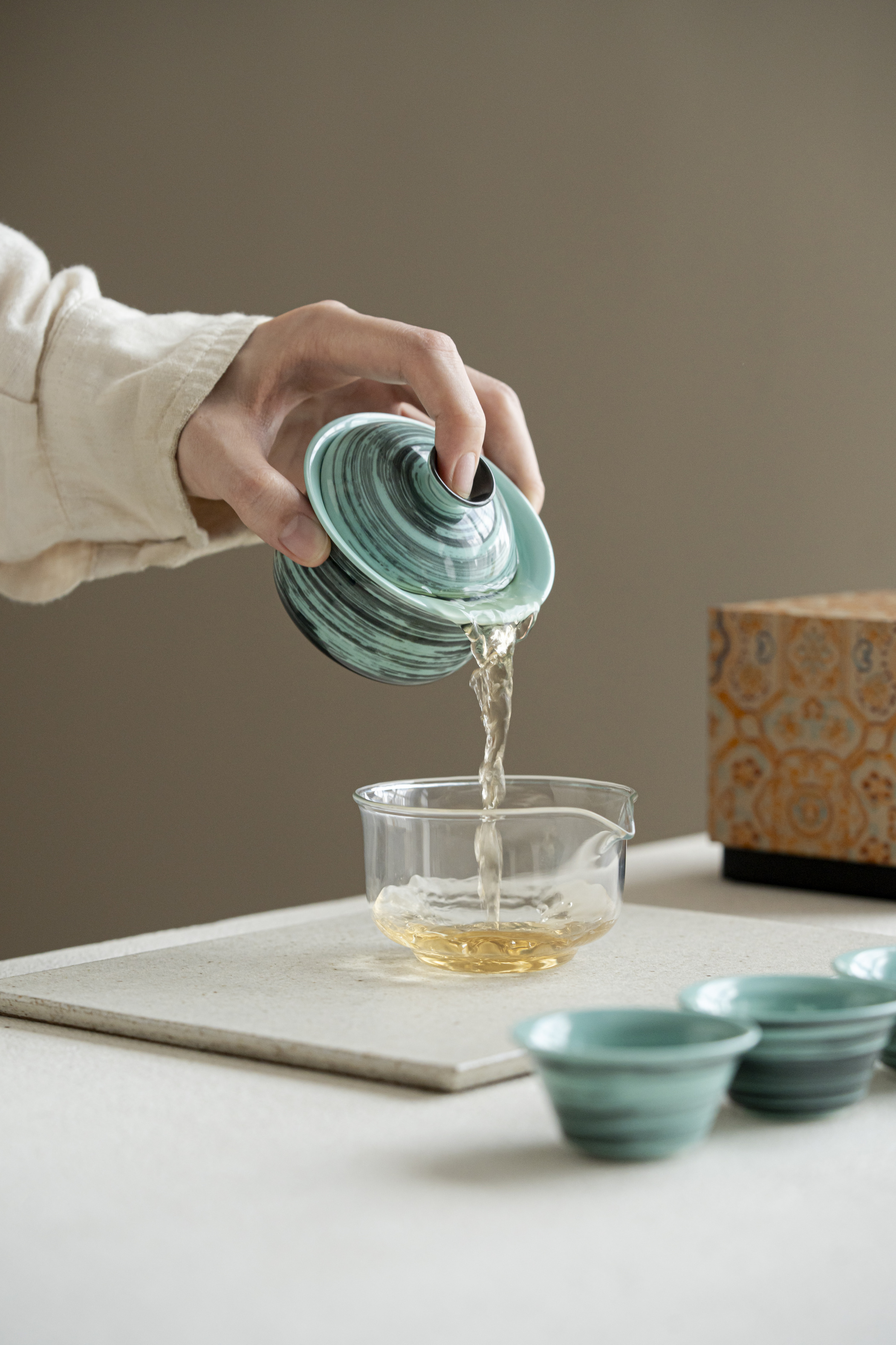
- Inhale the Aroma: After a quick rinse (pour hot water over leaves and discard), smell the wet leaves in the gaiwan. Note floral, earthy, or spicy scents—key to “Chinese tea appreciation.”
- Watch the Liquor: Pour the brewed tea into a white cup to assess its color—pale green for white tea, amber for black. Clarity indicates quality.
- Sip and Savor: Take small sips, letting the tea coat your tongue. Identify primary flavors (e.g., grassy), secondary notes (e.g., nutty), and aftertaste. Swirl it gently to engage all taste buds.
- Feel the Mouthfeel: Notice the texture—smooth for oolong, astringent for green tea. This tactile element enhances the experience.
- Multiple Infusions: Rebrew the leaves 3-5 times, as many Chinese teas reveal new layers. Compare flavor evolution across infusions.
Use a timer for consistency (1-3 minutes per steep) and record notes to track preferences. This technique, often practiced in the Chinese Tea Ceremony, transforms tasting into an art.
Popular Teas for Tasting
Certain Chinese teas are ideal for tasting due to their complexity and variety. Here’s a selection to explore:
- Longjing (Dragon Well) Green Tea: From Zhejiang, its nutty, chestnut-like flavor and smooth finish make it a tasting classic.
- Tieguanyin Oolong: Fujian’s “Iron Goddess” offers floral and fruity notes, with a lingering sweetness that evolves over infusions.
- Pu-erh (Sheng or Shu): Yunnan’s fermented tea provides an earthy depth, with raw Sheng aging gracefully and ripe Shu offering instant richness.
- Keemun Black Tea: Anhui’s malty, wine-like taste with a hint of smokiness is perfect for flavor comparison.
- Baihao Yinzhen White Tea: Fujian’s silver needle tea delivers a delicate, honeyed profile, ideal for subtle tasting.
These teas, available at specialty stores or online, are gateways to “Chinese tea tasting near me” events. Pair them with our Chinese Tea Types guide for more options.
Hosting a Chinese Tea Tasting Event
Turn your passion into a social experience by hosting a tasting event. Here’s how to create a memorable gathering:
- Invite Guests: Gather 4-6 friends, ensuring a mix of novices and enthusiasts. Promote it locally with “Chinese tea tasting near me” to attract attendees.
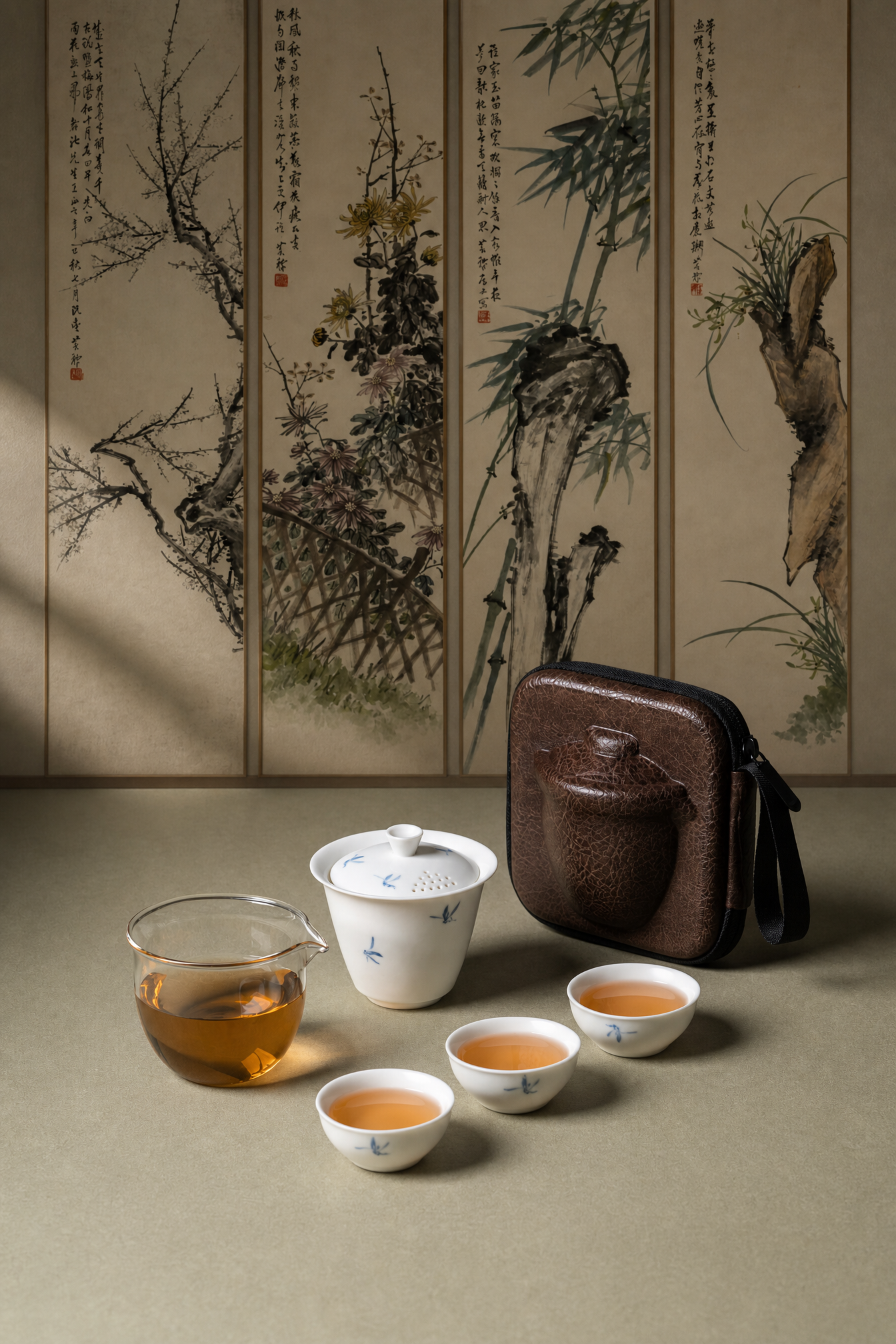
- Set the Scene: Use a clean table with a tea tray, gaiwans, and small cups. Dim lights and soft music enhance the ambiance, echoing the Chinese Tea Ceremony.
- Select Teas: Choose 3-5 varieties (e.g., Longjing, Tieguanyin, Pu-erh) to compare. Provide tasting notes or a guide (see table below).
- Prepare Tools: Include a kettle (adjustable temperature), a fairness pitcher, and a spittoon for serious tasters. Offer water and plain crackers to cleanse palates.
- Guide the Tasting: Lead with the observation-sip-feel process. Encourage guests to share impressions, fostering discussion.
- Enhance Experience: Serve light snacks like almonds or dried fruit, avoiding strong flavors that mask tea notes.
Tasting Guide Table
| Tea Type | Water Temp (°F) | Steep Time (min) | Flavor Notes | Aroma Hints |
|---|---|---|---|---|
| Longjing Green | 175-185 | 1-2 | Nutty, grassy | Fresh, vegetal |
| Tieguanyin Oolong | 185-195 | 2-3 | Floral, fruity | Jasmine, orchid |
| Pu-erh (Shu) | 195-205 | 2-4 | Earthy, woody | Mushroom, damp soil |
| Keemun Black | 195-205 | 3-4 | Malty, spicy | Caramel, smoke |
| Baihao Yinzhen | 175-185 | 2-3 | Honeyed, delicate | Floral, sweet |
Distribute this guide to help guests follow along, making your event educational and fun.
Conclusion
Chinese tea tasting is a journey of discovery, blending “Chinese tea appreciation” with the joy of shared moments. By mastering the basics, exploring “Chinese tea flavors,” and hosting your own event, you’ll unlock the depth of this ancient art. Grab a cup, inhale the aroma, and let each sip connect you to China’s tea heritage. Search “Chinese tea tasting near me” to find local events or start your own tradition today!
Comment