
The Ultimate Guide to Chinese Tea: Types, Benefits, and How to Brew
Jul 09,2025 | TeaTsy Team
The Ultimate Guide to Chinese Tea: Types, Benefits, and How to Brew
Introduction
Tea is more than just a beverage in China—it's a cultural cornerstone, a ritual, and a way of life. For over 4,000 years, Chinese tea has been celebrated for its delicate flavors, health benefits, and the meditative art of brewing. Whether you're a seasoned tea enthusiast or a curious newcomer, this guide will take you on a journey through the world of Chinese tea, from its rich history to the perfect cup. Get ready to explore the diverse types of Chinese tea, uncover their surprising health benefits, and master the art of brewing like a pro.
A Brief History of Chinese Tea
The story of Chinese tea begins in the misty mountains of Yunnan province, where wild tea trees have grown for millennia. Legend has it that Emperor Shen Nong discovered tea in 2737 BCE when a leaf fell into his boiling water, creating a fragrant infusion. From there, tea spread across China, becoming a staple of daily life and a symbol of hospitality.
During the Tang Dynasty (618–907 AD), tea became a cultural phenomenon, with the first tea houses and the invention of tea ceremonies. The Song Dynasty (960–1279 AD) saw the rise of powdered tea, while the Ming Dynasty (1368–1644 AD) popularized loose-leaf tea and the art of brewing. Tea's influence extended beyond China, traveling along the Silk Road to Japan, Korea, and eventually Europe, where it sparked a global obsession.
Today, Chinese tea is enjoyed worldwide, not just for its taste but for its deep cultural roots and health benefits.
Types of Chinese Tea
China is home to a stunning variety of teas, each with its own unique flavor, aroma, and cultural significance. Here are the most popular types, including the lesser-known yellow tea:
1. Green Tea (Lǜ Chá)
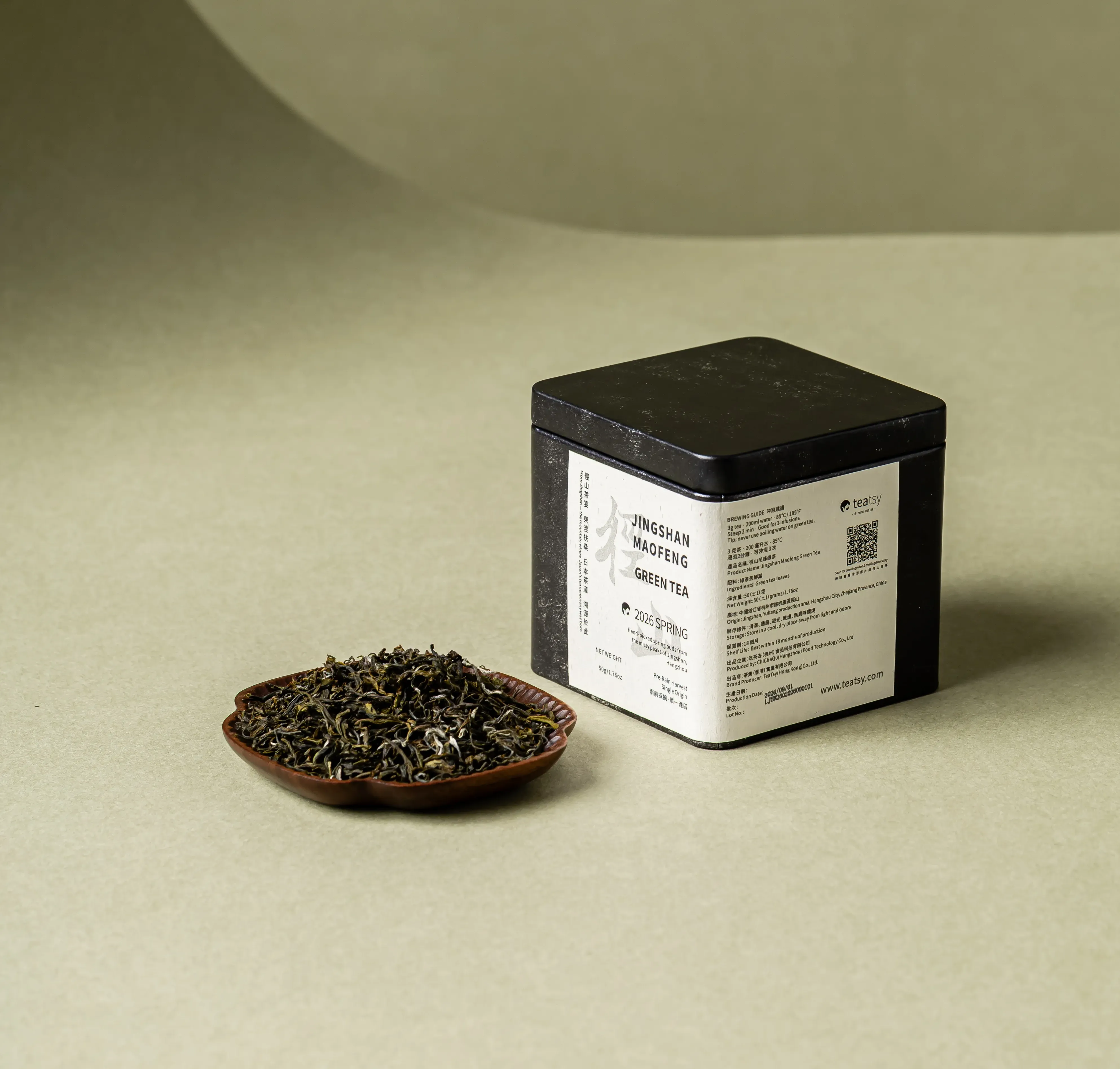
Green tea is the most ancient and widely consumed tea in China. Known for its fresh, grassy flavor and light, golden hue, it's made from unoxidized leaves, preserving its natural antioxidants.
-
Famous Varieties: Longjing (Dragon Well) from Zhejiang, Biluochun from Jiangsu, Maojian from Henan.
-
Flavor Profile: Fresh, slightly sweet, with a hint of nuttiness.
-
Cultural Significance: Often served to guests as a sign of respect and hospitality.
-
Origins: Primarily from Zhejiang and Jiangsu provinces.
2. Oolong Tea (Wūlóng Chá)
Oolong tea sits between green and black tea in terms of oxidation, offering a complex flavor that can range from floral to fruity.
-
Famous Varieties: Tieguanyin (Iron Goddess) from Fujian, Da Hong Pao (Big Red Robe) from Wuyi Mountains.
-
Flavor Profile: Floral, creamy, or roasted, depending on oxidation.
-
Cultural Significance: Used in Gongfu tea ceremonies, showcasing the art of multiple infusions.
-
Origins: Fujian and Guangdong provinces.
3. Black Tea (Hóng Chá)
Known as "red tea" in China due to its amber color, black tea is fully oxidized, resulting in a rich, bold flavor.
-
Famous Varieties: Keemun from Anhui, Lapsang Souchong from Fujian, Yunnan Black from Yunnan.
-
Flavor Profile: Malty, sweet, sometimes smoky.
-
Cultural Significance: Often enjoyed with breakfast or as a base for milk tea.
-
Origins: Fujian, Yunnan, and Anhui provinces.
4. White Tea (Bái Chá)
White tea is the least processed, made from young leaves and buds. It's prized for its delicate, subtly sweet flavor.
-
Famous Varieties: Baihao Yinzhen (Silver Needle), Bai Mudan (White Peony) from Fujian.
-
Flavor Profile: Light, floral, with a hint of honey.
-
Cultural Significance: Historically reserved for the emperor, symbolizing purity and elegance.
-
Origins: Fujian province.
5. Pu-erh Tea (Pǔ'ěr Chá)
Pu-erh is a fermented tea with a deep, earthy flavor that improves with age, much like fine wine.
-
Famous Varieties: Sheng (raw) Pu-erh, Shu (ripe) Pu-erh from Yunnan.
-
Flavor Profile: Earthy, woody, sometimes with a sweet aftertaste.
-
Cultural Significance: Often compressed into cakes or bricks, pu-erh is a collector's item and a symbol of wealth.
-
Origins: Yunnan province.
6. Yellow Tea (Huáng Chá)
Yellow tea is a rare and lesser-known type, similar to green tea but with a unique "yellowing" process that mellows its flavor.
-
Famous Varieties: Junshan Yinzhen from Hunan, Huoshan Huangya from Anhui.
-
Flavor Profile: Smooth, slightly sweet, with a hint of chestnut.
-
Cultural Significance: Once a tribute tea for the imperial court, yellow tea is a symbol of exclusivity.
-
Origins: Hunan and Anhui provinces.
Each type of Chinese tea offers a unique sensory experience, reflecting the terroir and craftsmanship of its region.
Health Benefits of Chinese Tea
Beyond its delightful flavors, Chinese tea is packed with health benefits, backed by both tradition and modern science. Here are some of the most notable:
1. Weight Loss
-
Green Tea: Rich in catechins, green tea boosts metabolism and aids fat burning. Studies show it can help reduce body fat, especially when combined with exercise.
-
Oolong Tea: Known for its fat-blocking properties, oolong tea can help manage weight by improving lipid metabolism.
-
Pu-erh Tea: Its fermentation process produces compounds that may aid in weight management and reduce cholesterol.
2. Improved Digestion
-
Pu-erh Tea: Fermented pu-erh is a digestive powerhouse, helping to break down fatty foods and soothe the stomach.
-
Black Tea: Its tannins can aid digestion and reduce bloating.
-
Yellow Tea: Its gentle nature makes it easy on the stomach, promoting gut health.
3. Lower Blood Pressure
-
Green Tea: Regular consumption has been linked to lower blood pressure due to its high antioxidant content.
-
White Tea: Its mild nature and polyphenols may help relax blood vessels, promoting heart health.
-
Oolong Tea: Studies suggest it can reduce hypertension and improve cardiovascular health.
4. Antioxidants and Anti-Aging
-
White Tea: With the highest antioxidant levels, white tea fights free radicals, potentially slowing aging and reducing disease risk.
-
Green Tea: Its EGCG (epigallocatechin gallate) is a potent antioxidant that supports overall health.
-
Yellow Tea: Its unique processing preserves antioxidants, offering similar benefits to green tea but with a smoother taste.
5. Mental Clarity and Relaxation
-
Oolong Tea: Contains L-theanine, which promotes relaxation without drowsiness, enhancing focus.
-
Black Tea: Its moderate caffeine content provides a gentle energy boost, improving alertness.
-
White Tea: Low in caffeine, it's perfect for a calm, focused mind.
6. Immune Support
-
Green Tea: Its catechins have antimicrobial properties, boosting the immune system.
-
Pu-erh Tea: Fermentation introduces probiotics, supporting gut health and immunity.
-
Yellow Tea: Its antioxidants help strengthen the body's defenses.
These benefits make Chinese tea not just a drink, but a wellness ritual.
How to Brew Chinese Tea: A Step-by-Step Guide
Brewing Chinese tea is an art that requires attention to detail. Here's how to brew each type perfectly:
General Brewing Tips
-
Water Quality: Use fresh, filtered water for the best flavor.
-
Tea-to-Water Ratio: Typically, 1-2 teaspoons of tea leaves per 8 oz (240 ml) of water.
-
Steeping Time: Varies by by tea type—oversteeping can lead to bitterness.
-
Multiple Infusions: Many Chinese teas, especially oolong and pu-erh, can be steeped multiple times, revealing new flavors with each infusion.
1. Brewing Green Tea
-
Water Temperature: 160-180°F (70-80°C).
-
Steeping Time: 1-3 minutes.
-
Method: Heat water, let it cool slightly, then pour over leaves. Steep briefly for a light, fresh flavor.
-
Pro Tip: Use a glass teapot to appreciate the leaves' dance as they unfurl.
2. Brewing Oolong Tea
-
Water Temperature: 190-200°F (85-95°C).
-
Steeping Time: 3-5 minutes.
-
Method: Use hotter water to bring out the complex flavors. Multiple infusions are common—each steeping reveals new notes.
-
Pro Tip: Try the Gongfu method: use more leaves and shorter steeps for a richer experience.
3. Brewing Black Tea
-
Water Temperature: 200-212°F (95-100°C).
-
Steeping Time: 3-5 minutes.
-
Method: Boil water and pour over leaves. Steep longer for a stronger brew.
-
Pro Tip: Add a splash of milk or a slice of lemon for a Western twist.
4. Brewing White Tea
-
Water Temperature: 160-180°F (70-80°C).
-
Steeping Time: 2-4 minutes.
-
Method: Use cooler water to preserve the delicate flavors. Steep gently.
-
Pro Tip: Use a large teapot to allow the leaves to expand fully.
5. Brewing Pu-erh Tea
-
Water Temperature: 200-212°F (95-100°C).
-
Steeping Time: 2-4 minutes.
-
Method: Rinse the leaves briefly with hot water to "awaken" them, then steep. Pu-erh can be steeped multiple times.
-
Pro Tip: Break off small pieces from compressed cakes for easier brewing.
6. Brewing Yellow Tea
-
Water Temperature: 170-185°F (75-85°C).
-
Steeping Time: 2-3 minutes.
-
Method: Similar to green tea but with a slightly longer steep to develop its mellow flavor.
-
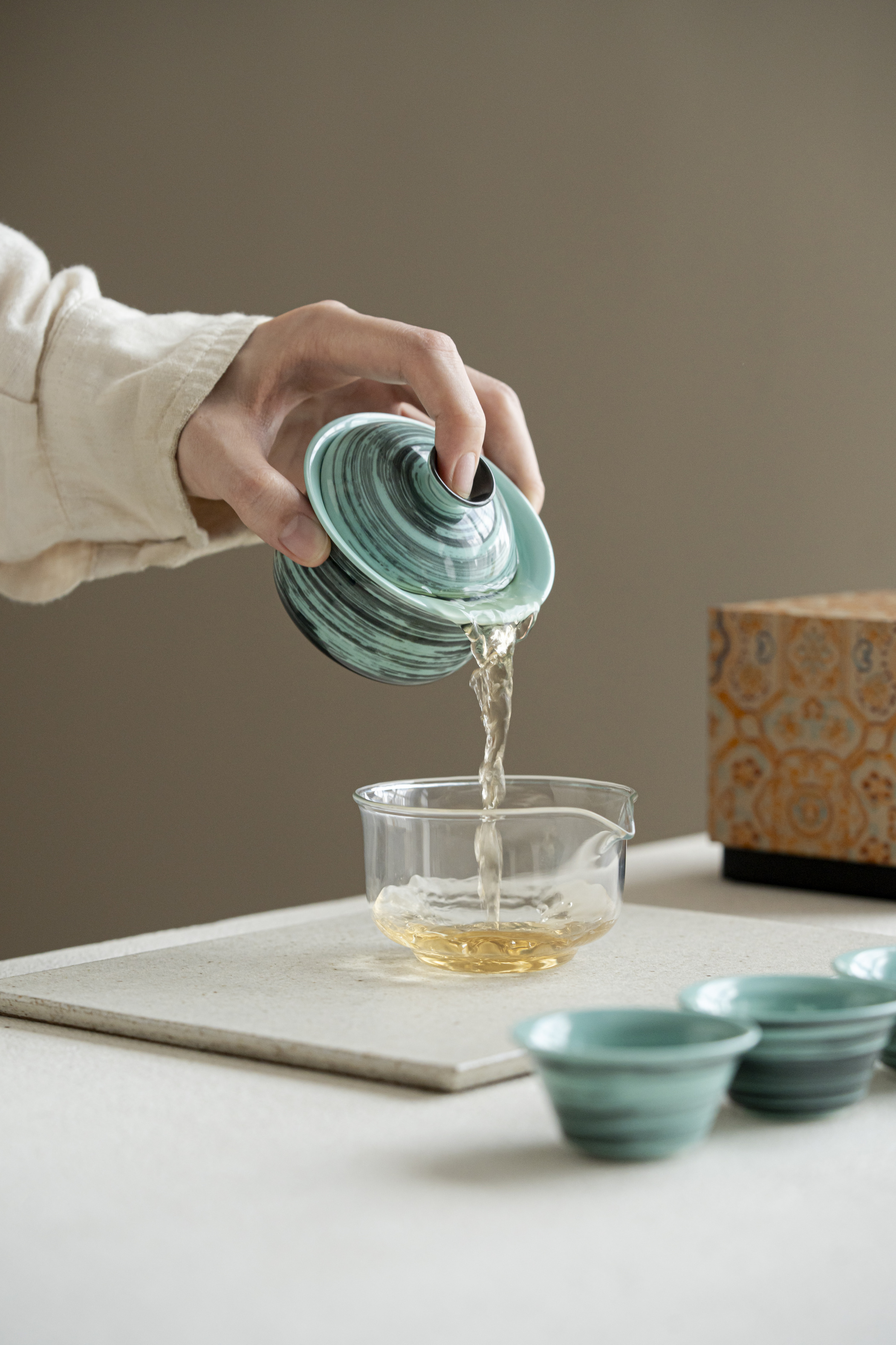
Pro Tip: Use a porcelain gaiwan to appreciate its subtle aroma.
Additional Tip
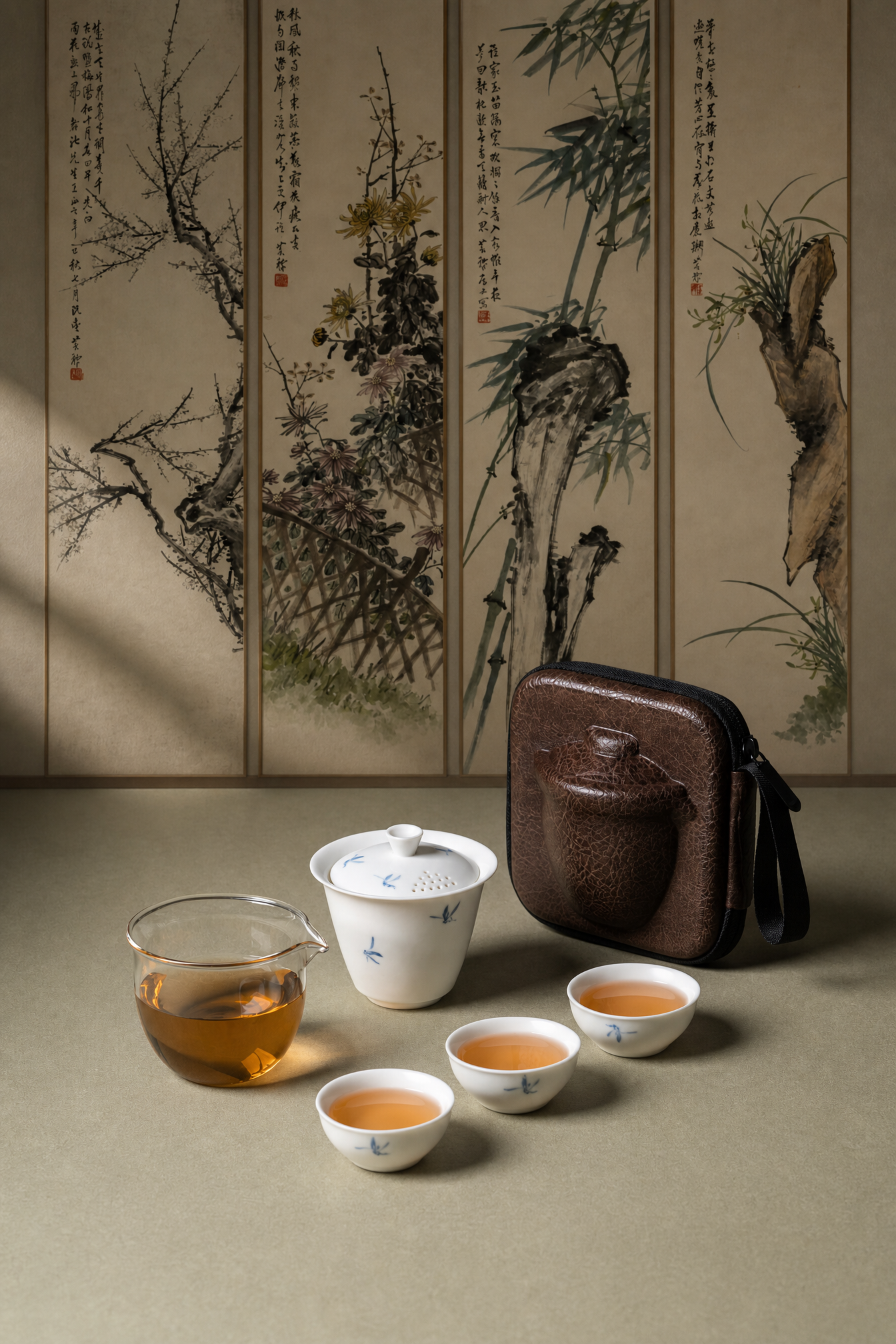
Invest in a good-quality teapot or gaiwan (traditional Chinese brewing vessel) to enhance your brewing experience. A Yixing clay teapot is ideal for oolong and pu-erh, as it absorbs the tea's essence over time.
The Global Influence of Chinese Tea
Chinese tea has left an indelible mark on the world. From the Japanese tea ceremony, which evolved from Chinese practices, to the British afternoon tea tradition, Chinese tea has shaped global culture. The Boston Tea Party, a pivotal event in American history, was sparked by taxed Chinese tea. Today, Chinese tea is enjoyed in every corner of the globe, from trendy cafes to traditional tea houses.
Conclusion
Chinese tea is a world of discovery, offering a rich tapestry of flavors, health benefits, and cultural heritage. Whether you're sipping a delicate white tea, a robust pu-erh, or a rare yellow tea, each cup tells a story of tradition and craftsmanship. Now that you know the types, benefits, and brewing techniques, it's time to embark on your own tea journey. So, why not start today? Brew a cup, savor the moment, and let the ancient art of Chinese tea enrich your life.
Additional Resources
-
Explore our Chinese Tea Collection
-
Learn More About Tea Health Benefits
-
Shop Tea Accessories
-
Discover the History of Tea
Call to Action: Ready to experience the magic of Chinese tea? Share this guide with fellow tea lovers or try brewing your first cup today!
Comment