
Chinese Tea and Food Pairing for Western Consumers
Aug 06,2025 | TeaTsy Team
Introduction: Breaking the Misconception About Chinese Tea and Food
Many Western consumers believe that Chinese tea cannot be paired with food, a misconception rooted in the differing tea cultures between East and West. In the West, tea is often seen as a standalone beverage, while in China, tea and food pairing is a refined art that enhances both flavor and experience. This article explores the vibrant tradition of pairing Chinese tea with food, offering practical tips to elevate your dining experience. By understanding the nuances of green, black, and oolong teas, you can unlock a world of culinary harmony.
The Art of Chinese Tea and Food Pairing
In Chinese culture, tea is not just a drink—it’s a complement to meals, carefully selected to enhance flavors and balance textures. Unlike the Western habit of sipping tea solo or with simple snacks like biscuits, Chinese tea pairing is deeply rooted in tradition, with each tea type suited to specific dishes. Let’s explore how green tea, black tea, and oolong tea pair with various foods to create a balanced and delightful experience.
Green Tea: Perfect for Light and Fresh Dishes
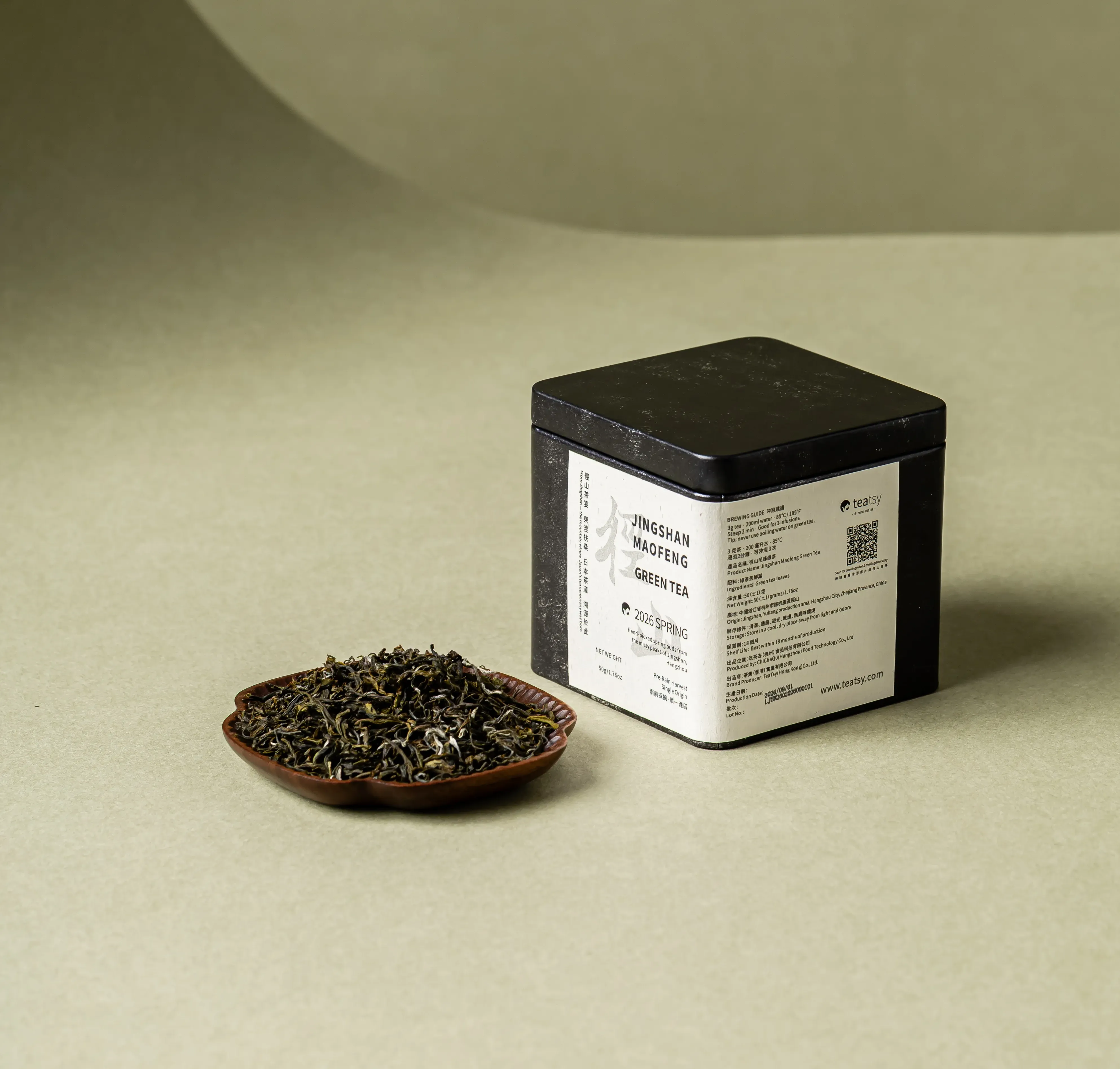
Green tea, known for its fresh, grassy notes, is a staple in Chinese cuisine. Its light and crisp profile makes it an ideal match for delicate dishes. Here’s why:
-
Flavor Profile: Green teas like Longjing or Biluochun have a clean, vegetal taste that doesn’t overpower subtle flavors.
-
Best Pairings:
-
Seafood: Steamed fish or shrimp dishes are enhanced by green tea’s refreshing qualities, which cleanse the palate.
-
Vegetables: Stir-fried greens or bamboo shoots pair well, as the tea’s light bitterness complements their natural sweetness.
-
Dim Sum: Delicate dumplings like har gow benefit from green tea’s ability to cut through subtle oils.
-
-
Why It Works: Green tea’s high antioxidant content and mild astringency balance the lightness of these dishes, creating a harmonious dining experience.
Pro Tip: Brew green tea at 175–185°F (80–85°C) to avoid bitterness, and serve it alongside a light seafood platter for a refreshing meal.
Black Tea: A Bold Companion for Rich Flavors
Chinese black tea, known as “red tea” in China (e.g., Keemun or Yunnan Dianhong), has robust, malty, and sometimes sweet notes, making it a perfect match for heartier foods.
-
Flavor Profile: Rich and full-bodied, black tea often carries notes of caramel, chocolate, or fruit.
-
Best Pairings:
-
Desserts: Pair with chocolate cake, pastries, or creamy desserts to balance sweetness with the tea’s depth.
-
Meat Dishes: Grilled or roasted meats, such as Peking duck or barbecued pork, are enhanced by black tea’s bold flavor.
-
Baked Goods: Scones, shortbread, or savory pastries complement the tea’s warmth and slight tannins.
-
-
Why It Works: Black tea’s strong character stands up to rich, savory, or sweet foods, creating a satisfying contrast.
Pro Tip: Steep black tea at 195–205°F (90–96°C) for 3–5 minutes to bring out its full flavor, and try it with a hearty Sunday roast.
Oolong Tea: The Versatile Choice for Oily Foods
Oolong tea, particularly varieties like Wuyi rock tea (Da Hong Pao), strikes a balance between green and black tea, offering floral, woody, or roasted notes. Its versatility makes it ideal for richer, oilier dishes.
-
Flavor Profile: Oolong ranges from light and floral (Tieguanyin) to dark and roasted (Wuyi rock tea), offering a spectrum of flavors.
-
Best Pairings:
-
Oily Dishes: Fried foods, greasy meats, or dishes like braised pork belly are balanced by oolong’s ability to cut through fat.
-
Spicy Foods: Spicy Sichuan dishes pair well with oolong’s complex flavors, which soothe the palate.
-
Cheese: Soft or aged cheeses complement oolong’s nuanced profile.
-
-
Why It Works: Oolong’s partial oxidation creates a unique mouthfeel that cleanses the palate, making it perfect for heavier meals.
Pro Tip: Brew Wuyi rock tea at 190–200°F (88–93°C) using a Gongfu-style method for multiple infusions, and pair it with a rich stir-fry.
Why Pairing Chinese Tea with Food Enhances the Experience
Pairing Chinese tea with food isn’t just about taste—it’s about creating a sensory journey. Here are key benefits:
-
Flavor Enhancement: Tea complements or contrasts food flavors, elevating the overall dining experience.
-
Digestive Aid: Teas like pu-erh or oolong help break down oils, aiding digestion after heavy meals.
-
Cultural Connection: Engaging in tea pairing connects you to centuries-old Chinese traditions, enriching your culinary knowledge.
-
Health Benefits: Many Chinese teas are rich in antioxidants, supporting wellness when paired with balanced meals.
Tips for Perfect Tea and Food Pairing
To master Chinese tea and food pairing, consider these practical tips:
-
Match Intensity: Pair light teas (e.g., green) with delicate foods and bold teas (e.g., black) with richer dishes to avoid overpowering flavors.
-
Consider Temperature: Serve tea at the right temperature to enhance its flavor without scalding the palate.
-
Experiment with Infusions: Gongfu-style brewing (multiple short infusions) can reveal different flavor notes to match various courses.
-
Balance Textures: Use tea to cleanse the palate between bites, especially with oily or spicy foods.
-
Explore Regional Pairings: Try regional Chinese pairings, like Fujian’s Tieguanyin with seafood or Yunnan’s pu-erh with earthy mushrooms.
Common Misconceptions About Tea Pairing in the West
The belief that Chinese tea doesn’t pair well with food stems from cultural differences:
-
Western Tea Culture: In the West, tea is often a standalone beverage or paired with simple snacks like cookies, limiting its culinary role.
-
Lack of Exposure: Many Westerners are unfamiliar with the diversity of Chinese teas and their pairing potential.
-
Misunderstanding Tea Types: Assumptions that all teas are alike ignore the unique profiles of green, black, and oolong teas.
By embracing Chinese tea pairing traditions, Western consumers can discover new dimensions of flavor and culture.
Sample Chinese Tea and Food Pairing Menu
Here’s a sample menu to inspire your next tea-infused meal:
-
Appetizer: Steamed shrimp dumplings with Longjing green tea.
-
Main Course: Braised pork belly with Wuyi rock oolong tea.
-
Dessert: Chocolate mousse with Keemun black tea.
-
Digestif: Pu-erh tea to aid digestion after a rich meal.
FAQ: Chinese Tea and Food Pairing
Can Chinese tea be paired with any food?
Yes, Chinese teas like green, black, and oolong can be paired with a wide range of foods, from seafood to desserts, depending on their flavor profiles.
What’s the best tea for spicy foods?
Oolong tea, such as Tieguanyin or Wuyi rock tea, is excellent for spicy dishes as it soothes the palate and balances heat.
How do I avoid overpowering food with tea?
Match the tea’s intensity to the dish—light teas for delicate foods and bold teas for richer flavors. Use proper brewing techniques to control strength.
Is tea pairing common in Chinese culture?
Absolutely! Tea pairing is a longstanding tradition in China, often seen in dim sum restaurants, tea houses, and formal meals.
Conclusion: Elevate Your Dining with Chinese Tea Pairing
Far from being incompatible with food, Chinese tea is a versatile partner that enhances flavors, aids digestion, and connects you to a rich cultural tradition. Whether you’re sipping green tea with seafood, black tea with desserts, or oolong with oily dishes, the right pairing can transform your meal. Start experimenting with these pairings today and discover a new way to enjoy Chinese tea.
Ready to explore Chinese tea and food pairing? Try brewing a pot of Longjing or Wuyi rock tea for your next meal and share your experience in the comments below!
Comment