
How to Choose Chinese Tea Leaves: A Buyer’s Guide
Jul 10,2025 | TeaTsy Team
Selecting the perfect Chinese tea leaves is an art that can transform your tea-drinking experience from ordinary to extraordinary. As of 10:15 AM +08 on Thursday, July 10, 2025, tea enthusiasts are increasingly drawn to the rich flavors and health benefits of “Chinese tea leaves,” seeking high-quality options to elevate their rituals. Whether you’re brewing a delicate green tea or aging a robust pu-erh, the quality of the leaves you choose sets the foundation. This buyer’s guide walks you through the key factors to consider, the variety of “Chinese tea leaf” types, where to find them, how to store them, and pitfalls to avoid. Let’s dive into the essentials of “Chinese tea quality” to help you make informed choices.
Factors Affecting Chinese Tea Quality
When evaluating “Chinese tea leaves,” quality hinges on several critical factors that influence flavor, aroma, and longevity. Here’s what to look for:
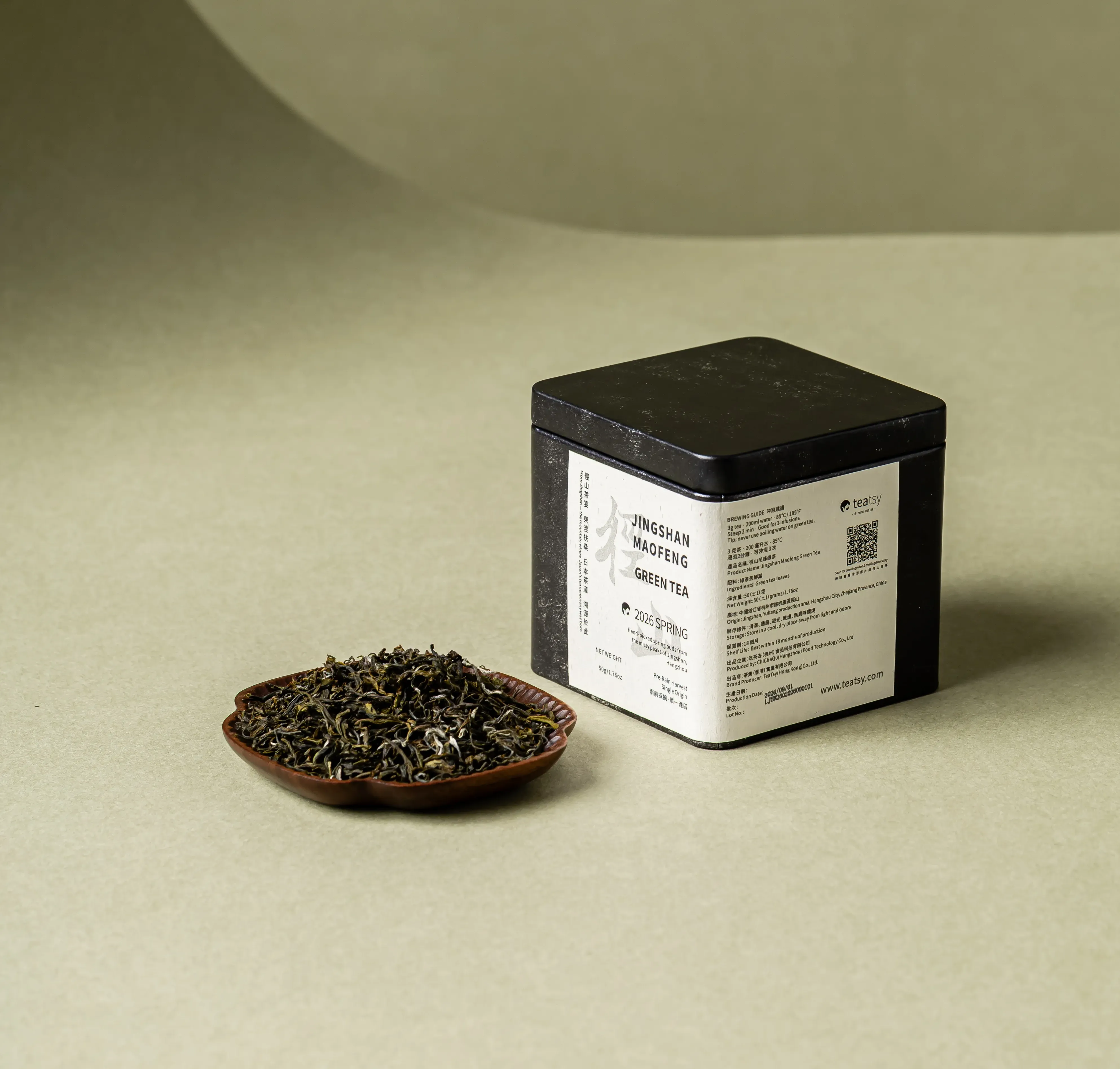
- Appearance: High-quality leaves are uniform in size, shape, and color. Whole, unbroken leaves (e.g., tightly rolled oolong balls or flat green tea) signal careful harvesting. Avoid tea with excessive dust or broken pieces, which often indicate lower grades.
- Aroma: Dry leaves should emit a fresh, pleasant scent—floral for oolong, grassy for green tea, or earthy for pu-erh. A musty or stale smell suggests poor storage or age.
- Color of Liquor: After brewing, the tea’s color reflects quality. A clear, vibrant hue (e.g., pale green for white tea, deep amber for black) is ideal. Cloudiness or dullness may indicate impurities.
- Taste: The best “Chinese tea quality” offers a balanced flavor—smooth, not bitter—with a lingering aftertaste. Sample a small batch to test this.
- Origin and Season: Teas from renowned regions (e.g., Fujian, Yunnan) and first or second flush harvests (spring or early summer) typically yield superior quality due to optimal growing conditions.
These factors guide your selection, ensuring you invest in leaves that deliver on taste and tradition. For brewing tips to maximize quality, see our Chinese Tea Brewing Guide.
Types of Chinese Tea Leaves
China’s tea landscape is diverse, with each “Chinese tea leaf” type offering unique characteristics. Understanding these helps you choose based on preference or purpose:
- Green Tea Leaves: Unoxidized, these leaves (e.g., Longjing, Biluochun) are vibrant green, rolled or flat, with a fresh, grassy taste. Ideal for health-focused drinkers.
- Black Tea Leaves: Fully oxidized, leaves like Keemun or Yunnan Black turn dark brown or black, delivering a robust, malty flavor. Perfect for morning brews.
- Oolong Tea Leaves: Partially oxidized (10-70%), oolong leaves (e.g., Tieguanyin, Da Hong Pao) range from green to dark, with tight rolls or twists, offering floral or roasted notes.
- White Tea Leaves: Minimally processed, young buds and leaves (e.g., Baihao Yinzhen) are silvery or light green, yielding a delicate, honeyed taste.
- Yellow Tea Leaves: Rare and lightly oxidized, leaves like Junshan Yinzhen are yellowish, with a mellow, nutty profile due to a unique yellowing process.
- Pu-erh Tea Leaves: Fermented and often pressed into cakes, these dark leaves (Sheng or Shu) develop an earthy, woody flavor that deepens with age.
Each type reflects regional craftsmanship, making “Chinese tea leaf” selection a journey of discovery. Explore more in our Chinese Tea Types article.
Where to Buy Chinese Tea Leaves
Finding authentic “Chinese tea leaves near me” requires knowing where to look. Here are top options for U.S.-based enthusiasts:
- Specialty Tea Shops: Stores like Teavana or local Asian markets often carry high-quality Chinese teas. Ask for single-origin options to ensure authenticity.
- Online Retailers: Websites like Yunnan Sourcing, Tealyra, or Amazon offer a wide range, with customer reviews aiding “Chinese tea quality” assessment. Look for organic certifications.
- Direct from China: Platforms like AliExpress or Taobao connect you to Chinese vendors, though shipping and authenticity vary. Opt for sellers with good ratings.
- Tea Festivals or Events: Search “Chinese tea tasting near me” for local events where vendors showcase fresh leaves. These are great for sampling before buying.
- Health Food Stores: Chains like Whole Foods may stock green or oolong teas, though selection is limited.
When buying, check for harvest dates (recent is best for green and white teas) and storage conditions. Compare prices, as premium leaves (e.g., first-flush Longjing) can cost $50-$100 per 100g, while pu-erh cakes range widely. Our Chinese Tea Buying Guide offers more sourcing tips.
Storage Tips for Chinese Tea Leaves
Proper storage preserves “Chinese tea quality” and extends shelf life. Follow these guidelines:
- Airtight Containers: Use tin cans or ceramic jars to protect leaves from moisture and air, which degrade flavor. Avoid plastic unless food-grade.
- Cool, Dark Place: Store in a pantry or cupboard away from heat sources (e.g., stoves) and sunlight, which can oxidize leaves prematurely.
- Avoid Refrigeration for Most: Green, oolong, and black teas fare better at room temperature (50-70°F). Refrigerate white and pu-erh only if sealed tightly to prevent odor absorption.
- Separate Strong Teas: Store pu-erh or smoked black teas apart from delicate greens to avoid flavor crossover.
- Check Regularly: Inspect every few months for moisture or pests. Use within 6-12 months for green tea, up to 2 years for oolong, and decades for aged pu-erh.
Label containers with purchase dates to track freshness, ensuring your “Chinese tea leaf” investment lasts.
Common Mistakes to Avoid
Even seasoned buyers can stumble when choosing “Chinese tea leaves.” Here are pitfalls to sidestep:
- Ignoring Leaf Condition: Buying pre-ground or dusty tea sacrifices quality. Always opt for whole leaves to assess “Chinese tea quality.”
- Overlooking Origin: Generic labels without region specifics (e.g., “green tea” vs. “Anhui Maojian”) may hide lower-grade blends. Verify provenance.
- Poor Storage: Leaving leaves in open bags or humid areas leads to staleness. Invest in proper storage early.
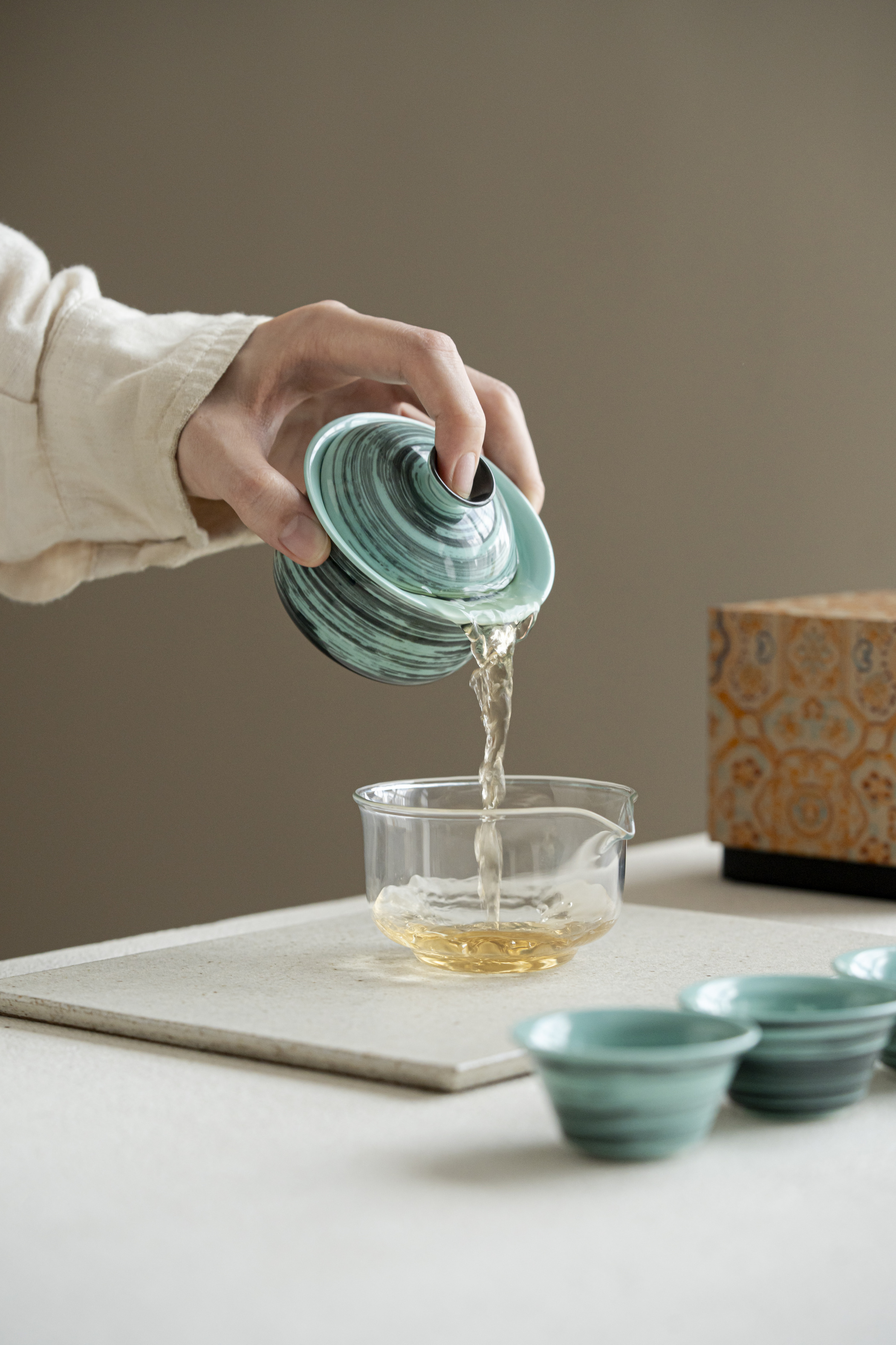
- Overbrewing: Steeping too long (e.g., 5+ minutes for green tea) can turn a premium leaf bitter. Follow recommended times (see table).
- Buying by Price Alone: Cheap teas often lack depth. Balance cost with quality—$10-20 per 100g is a reasonable starting point for mid-range options.
Avoiding these errors ensures you enjoy the full potential of your “Chinese tea leaf” purchase.
Tea Leaf Characteristics Table
| Tea Type | Leaf Appearance | Aroma (Dry) | Liquor Color | Optimal Steep Time (min) | Best For |
|---|---|---|---|---|---|
| Green (Longjing) | Flat, green, shiny | Grassy, nutty | Pale green | 1-2 | Morning refresh |
| Black (Keemun) | Dark, wiry | Malty, smoky | Amber | 3-4 | Bold breakfast |
| Oolong (Tieguanyin) | Tightly rolled, green-brown | Floral, fruity | Golden-yellow | 2-3 | Afternoon focus |
| White (Baihao) | Silvery buds, light | Honeyed, floral | Pale yellow | 2-3 | Evening calm |
| Yellow (Junshan) | Yellow-green, slender | Nutty, mellow | Light yellow | 2-3 | Subtle tasting |
| Pu-erh (Shu) | Dark, compressed | Earthy, woody | Deep red-brown | 2-4 | Post-meal digestion |
Use this table as a quick reference when selecting and brewing your “Chinese tea leaves.”
Conclusion
Choosing the right “Chinese tea leaves” is a rewarding process that enhances your tea journey. By assessing “Chinese tea quality” through appearance, aroma, and origin, exploring diverse types, sourcing from trusted vendors, storing properly, and avoiding common mistakes, you’ll unlock the full potential of each leaf. Start your selection today—visit a local shop or browse online for “Chinese tea leaves near me”—and savor the rich heritage of Chinese tea.
發表評論