
Debunking the Myth: Is Herbal Tea Really "True Tea"?
Aug 06,2025 | TeaTsy Team
When you sip a soothing cup of chamomile or a zesty peppermint brew, you might call it "tea"—but is it really tea? In Western culture, the term "herbal tea" is widely used, leading to a common misconception that these floral or fruity infusions are the same as true teas like green, black, or pu-erh. This confusion stems from the differing paths of tea culture in the East and West. In this article, we’ll unravel the truth about herbal tea, explore its differences from true tea, and help you make informed choices for your next brew.
What Is True Tea? Understanding the Basics
True tea comes from the leaves of the Camellia sinensis plant, native to East Asia, particularly China and India. This plant is the foundation for all traditional teas, including:
-
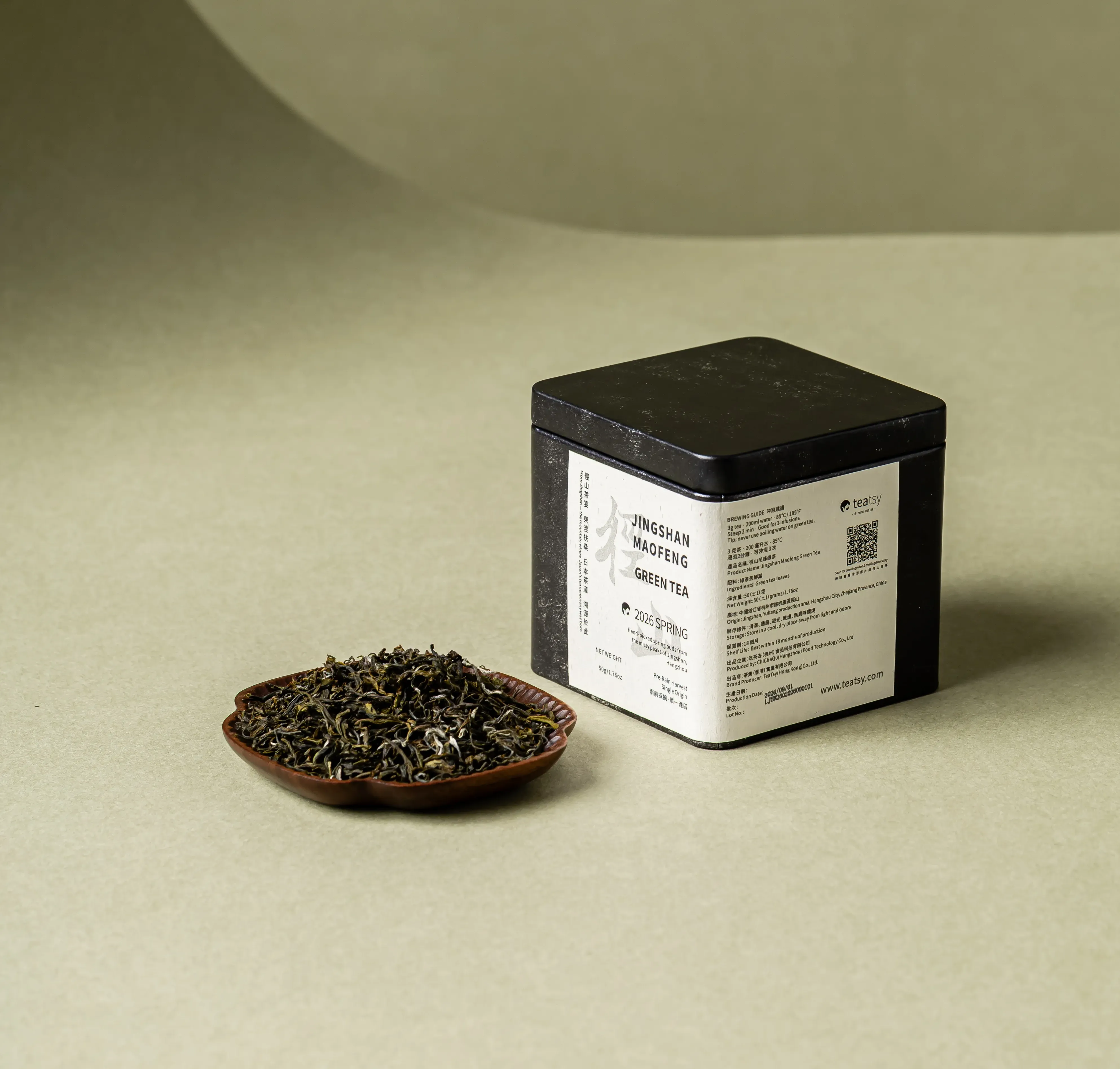
Green tea: Unoxidized, fresh, and grassy.
-
Black tea: Fully oxidized, bold, and robust.
-
Oolong tea: Partially oxidized, offering a balance of flavors.
-
White tea: Minimally processed, delicate, and floral.
-
Pu-erh tea: Fermented and aged, earthy, and complex.
These teas all contain caffeine (often called "theine" in tea contexts) and are rich in antioxidants like catechins, which contribute to their health benefits, such as improved heart health and metabolism. The processing of Camellia sinensisleaves—whether through drying, oxidation, or fermentation—defines the tea’s flavor and properties.
In contrast, herbal tea, also known as a tisane, is not made from Camellia sinensis. Instead, it’s a blend of flowers, herbs, spices, or fruits, such as chamomile, peppermint, hibiscus, or rooibos. These infusions are naturally caffeine-free (or contain trace amounts from other ingredients) and offer distinct flavors and health benefits, but they aren’t true teas.
Keyword focus: true tea vs herbal tea, what is herbal tea, Camellia sinensis tea
Why the Confusion? The Cultural Divide in Tea Traditions
The misconception that herbal tea is true tea largely arises from cultural differences in how tea is perceived and marketed:
-
Western Tea Culture: In the West, "tea" is a broad term encompassing any hot, infused beverage. Supermarkets label chamomile or fruit blends as "herbal tea," reinforcing the idea that they’re part of the same category as black or green tea. This marketing simplifies terminology but muddies the waters.
-
Eastern Tea Culture: In countries like China and Japan, tea culture is deeply rooted in tradition, with a focus on Camellia sinensis. Herbal infusions are rarely called "tea" and are instead referred to as "tisanes" or medicinal brews. For example, in China, chrysanthemum or barley infusions are seen as distinct from true teas like oolong or pu-erh.
-
Marketing Influence: Western brands often use "tea" to describe tisanes for familiarity, making it easier to sell to consumers unfamiliar with terms like "tisane." This has led to widespread confusion, especially among casual tea drinkers.
Keyword focus: tea culture differences, Eastern vs Western tea, herbal tea misconception
Herbal Tea vs. True Tea: Key Differences
To clarify the distinction, let’s break down the differences between herbal tea and true tea:
|
Aspect |
True Tea |
Herbal Tea (Tisane) |
|---|---|---|
|
Source |
Camellia sinensis leaves |
Flowers, herbs, spices, or fruits |
|
Caffeine Content |
Contains caffeine (20-90 mg per cup) |
Typically caffeine-free |
|
Processing |
Oxidized, fermented, or dried |
Dried or blended, no fermentation |
|
Health Benefits |
Rich in antioxidants (e.g., catechins) |
Varies (e.g., chamomile for relaxation) |
|
Examples |
Green, black, oolong, white, pu-erh |
Chamomile, peppermint, hibiscus, rooibos |
True Tea Benefits: True teas are celebrated for their antioxidant properties, which may support heart health, weight management, and mental alertness due to caffeine and L-theanine. For example, green tea is linked to improved metabolism, while pu-erh may aid digestion.
Herbal Tea Benefits: Tisanes offer diverse benefits depending on their ingredients. Chamomile is known for its calming effects, peppermint aids digestion, and hibiscus may help lower blood pressure. However, they lack the specific antioxidants found in Camellia sinensis.
Keyword focus: herbal tea vs true tea, differences between herbal and true tea, tisane vs tea
Why Does This Matter? Choosing the Right Brew for You
Understanding the difference between herbal tea and true tea helps you make informed choices based on your needs:
-
Caffeine Sensitivity: If you’re avoiding caffeine, herbal teas like chamomile or rooibos are ideal, especially for evening relaxation. True teas, even decaffeinated ones, may still contain trace amounts of caffeine.
-
Health Goals: If you’re seeking antioxidants, true teas like green or white tea are better choices. For specific ailments, like insomnia or indigestion, herbal teas may be more targeted.
-
Flavor Preferences: True teas offer complex, layered flavors, while herbal teas provide bold, fruity, or spicy notes. Knowing the difference helps you pick the right brew for your palate.
Keyword focus: choosing herbal tea, true tea health benefits, caffeine-free tea options
How to Spot True Tea vs. Herbal Tea When Shopping
To avoid confusion when buying tea, follow these tips:
-
Check the Ingredients: Look for Camellia sinensis on the label for true tea. Herbal teas will list ingredients like chamomile, peppermint, or fruit pieces.
-
Look for "Tisane": Some brands label herbal blends as tisanes to distinguish them from true teas.
-
Caffeine Indicators: If the package says "caffeine-free," it’s likely a tisane unless explicitly decaffeinated true tea.
-
Ask Questions: When shopping at specialty stores, ask whether the product is a true tea or an herbal infusion.
Keyword focus: how to buy true tea, herbal tea shopping tips, identifying tisanes
Embracing Both True Tea and Herbal Tea
There’s no need to choose sides—both true tea and herbal tea have unique merits. True teas offer a rich cultural heritage and scientifically backed health benefits, while herbal teas provide versatility and caffeine-free options for all times of day. By understanding their differences, you can appreciate each for what it brings to your cup.
-
Try True Tea: Explore green tea for a morning boost or pu-erh for a post-meal digestive aid. Check out our guide to Chinese tea types for inspiration.
-
Enjoy Herbal Tea: Sip chamomile before bed or hibiscus for a refreshing afternoon treat. See our herbal tea recipes for creative blends.
Keyword focus: true tea recommendations, herbal tea benefits, tea variety guide
FAQ: Clearing Up Common Questions
Q: Is herbal tea the same as true tea?
A: No, herbal tea (tisane) is made from herbs, flowers, or fruits, while true tea comes from the Camellia sinensis plant. Herbal teas are typically caffeine-free, unlike true teas.
Q: Does herbal tea have health benefits?
A: Yes, herbal teas like chamomile or peppermint offer benefits such as relaxation or digestive support, but they differ from the antioxidant properties of true teas.
Q: Why is herbal tea called "tea" if it’s not true tea?
A: In Western markets, "tea" is used broadly for marketing purposes, leading to confusion. In Eastern traditions, herbal infusions are called tisanes to avoid this mix-up.
Keyword focus: herbal tea FAQ, true tea vs tisane, tea misconception answers
Conclusion: Sip Smarter with the Right Tea
The next time you reach for a cup of "tea," take a moment to check whether it’s a true tea from Camellia sinensis or a delightful herbal tisane. Both have their place in your tea journey, but understanding their differences empowers you to choose the perfect brew for your needs. Whether you’re craving the antioxidant boost of green tea or the soothing calm of chamomile, there’s a world of flavors to explore.
Ready to dive deeper? Check out our guide to brewing true tea or explore top herbal tea blends for your next sip!
發表評論