
Chinese Tea Culture vs. Japanese Tea Culture
Aug 06,2025 | TeaTsy Team
Many Western consumers assume that Chinese and Japanese tea cultures are identical, but this misconception overlooks the rich, distinct histories and philosophies behind each tradition. While Japanese tea culture has its roots in China, the two have evolved into unique practices with different rituals, aesthetics, and meanings. In this article, we’ll explore the key differences between Chinese and Japanese tea cultures, dispel common myths, and highlight why these distinctions matter for tea enthusiasts. Whether you’re new to tea or a seasoned connoisseur, understanding these differences will deepen your appreciation for this ancient beverage.
The Origins: A Shared History with Divergent Paths
Both Chinese and Japanese tea cultures trace their origins to China, where tea drinking began around 2737 BCE with the legend of Emperor Shen Nong. Tea spread to Japan during the Tang dynasty (618–907 CE) through Buddhist monks, who brought tea seeds and preparation techniques. However, while China’s tea culture remained rooted in daily life and social interaction, Japan transformed tea into a highly ritualized art form, particularly through the development of the Japanese tea ceremony (chanoyu). This divergence has shaped two distinct approaches to tea, each with its own philosophy and practices.
Chinese Tea Culture: The Art of Natural Flow
Chinese tea culture is deeply embedded in everyday life, from casual sipping to elaborate gatherings. It emphasizes flexibility, hospitality, and a connection to nature, encapsulated in the Taoist principle of dao fa zi ran ("the way follows nature"). Here’s what defines Chinese tea culture:
1. Diverse Tea Types and Preparation
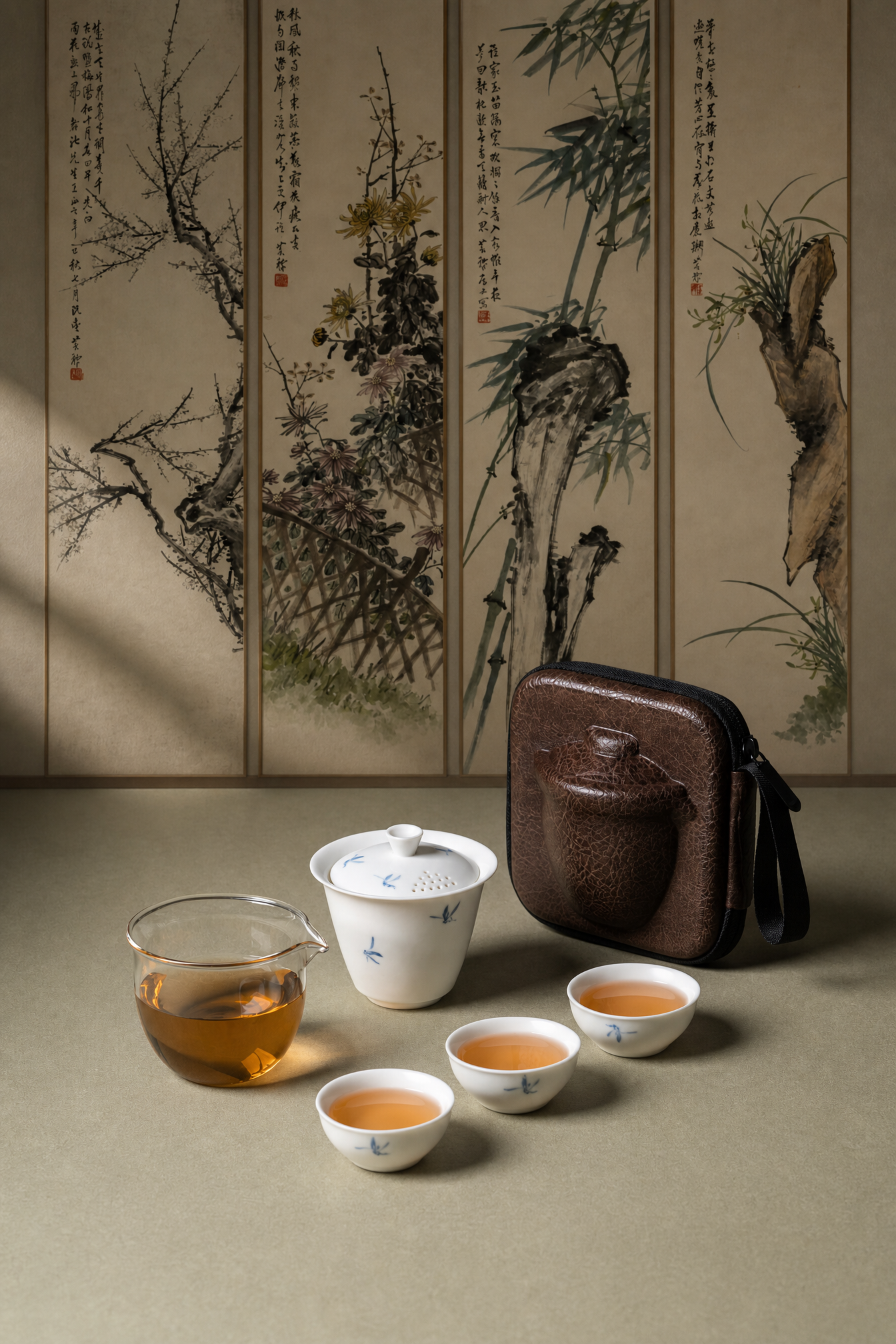
China is the birthplace of the six major tea categories: green, black, oolong, white, yellow, and pu-erh. Each type has unique flavors and preparation methods, often tailored to the tea’s origin (e.g., Fujian’s oolong or Yunnan’s pu-erh). The Gongfu tea ceremony, a popular Chinese ritual, involves multiple infusions to savor the tea’s evolving flavors, using small teapots and cups.
2. Varied Tea Ware
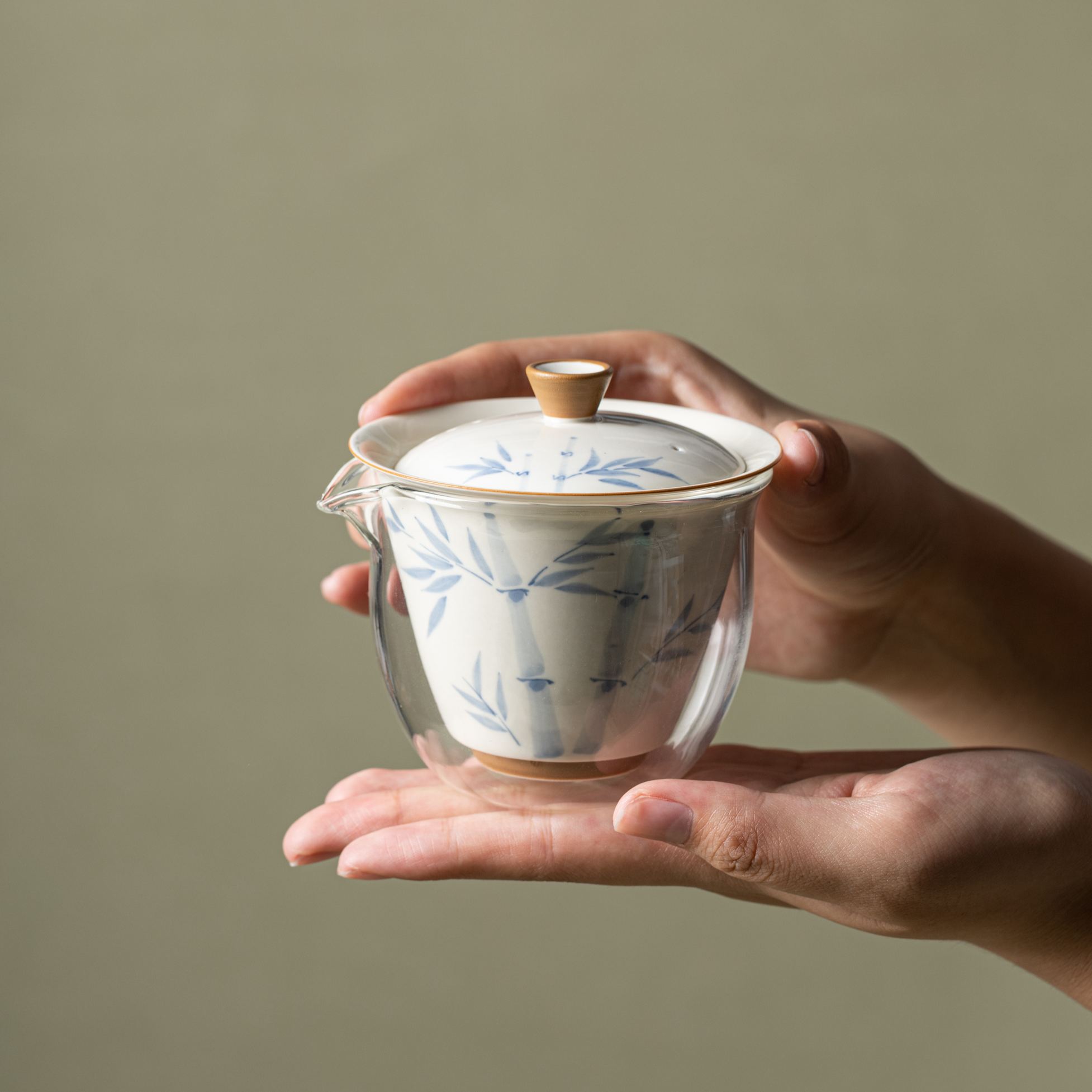
Chinese tea culture employs a wide range of tea ware, from Yixing clay teapots to porcelain gaiwans. The choice of tea ware often reflects personal taste or the tea being served, with an emphasis on enhancing the drinking experience.
3. Social and Relaxed Atmosphere
Tea in China is a social glue, served during family gatherings, business meetings, or casual conversations. The focus is on enjoyment and connection rather than strict rules, allowing for a relaxed and inclusive experience.
4. Cultural Significance
Tea is woven into Chinese traditions, such as wedding ceremonies, where it symbolizes respect and gratitude. It’s also a daily ritual, with many households keeping a tea tray ready for guests.
Keywords: Chinese tea ceremony, Gongfu tea, Chinese tea types, Yixing teapot
Japanese Tea Culture: The Philosophy of Ichigo Ichie
Japanese tea culture, particularly the tea ceremony (chanoyu), is a highly formalized practice that elevates tea drinking to a spiritual and artistic level. Rooted in Zen Buddhism, it emphasizes mindfulness, precision, and the concept of ichigo ichie ("one time, one meeting"), which cherishes the uniqueness of each moment. Key features include:
1. Focus on Matcha
While Japan produces various teas (e.g., sencha, gyokuro), the tea ceremony centers on matcha, a powdered green tea. Matcha is whisked with a bamboo whisk (chasen) in a ceremonial bowl (chawan), creating a frothy texture and vibrant flavor.
2. Strict Rituals and Etiquette
The Japanese tea ceremony follows a precise sequence of actions, from cleaning utensils to serving tea. Every gesture, from the host’s movements to the guest’s bow, is choreographed to foster harmony, respect, purity, and tranquility—the four principles of chanoyu.
3. Minimalist Tea Ware
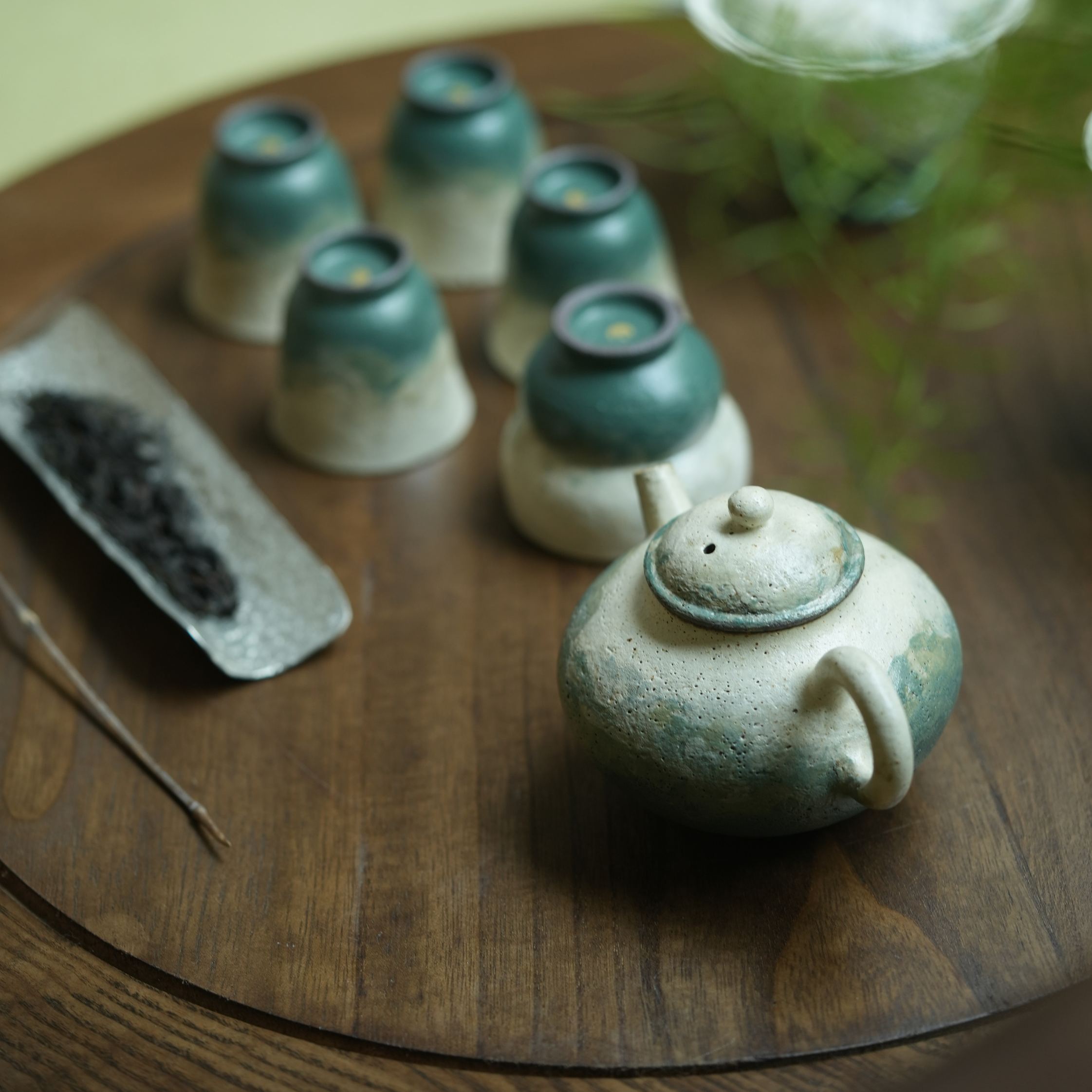
Japanese tea ware, such as the chawan and natsume (tea caddy), is often simple yet meticulously crafted, reflecting wabi-sabi aesthetics that value imperfection and impermanence.
4. Philosophical Depth
The tea ceremony is a meditative practice, encouraging participants to be fully present. It’s less about the tea itself and more about the shared experience, making it a profound cultural ritual.
Keywords: Japanese tea ceremony, matcha tea, chanoyu, ichigo ichie
Key Differences Between Chinese and Japanese Tea Cultures
To clarify the distinctions, here’s a comparison of Chinese and Japanese tea cultures:
|
Aspect |
Chinese Tea Culture |
Japanese Tea Culture |
|---|---|---|
|
Philosophy |
Flexible, natural (dao fa zi ran) |
Formal, Zen-inspired (ichigo ichie) |
|
Tea Types |
Diverse (green, oolong, pu-erh, etc.) |
Primarily matcha, some sencha |
|
Rituals |
Relaxed, social (e.g., Gongfu ceremony) |
Highly structured (e.g., chanoyu) |
|
Tea Ware |
Varied (Yixing teapots, gaiwans) |
Minimalist (chawan, chasen) |
|
Setting |
Everyday, social, or ceremonial |
Ceremonial, often in a tea house |
|
Focus |
Flavor, hospitality, enjoyment |
Mindfulness, ritual, spiritual connection |
Keywords: Chinese vs Japanese tea culture, tea culture differences, Gongfu vs chanoyu
Common Misconceptions Among Western Consumers
The belief that Chinese and Japanese tea cultures are the same stems from several factors:
-
Shared Origins: Because Japan adopted tea from China, some assume the cultures remained identical. However, Japan’s tea practices evolved into a distinct art form over centuries.
-
Limited Exposure: Western consumers may encounter tea in simplified forms (e.g., teabags) and miss the nuanced rituals of both cultures.
-
Media Portrayal: Popular media often conflates Asian tea traditions, ignoring their unique philosophies and practices.
By understanding these differences, Western tea enthusiasts can better appreciate the depth of each tradition and choose teas or rituals that resonate with their preferences.
Keywords: tea culture misconceptions, Chinese tea vs Japanese tea, tea myths
How to Experience Chinese and Japanese Tea Cultures
Try Chinese Tea Culture
-
Explore Gongfu Tea: Invest in a small Yixing teapot or gaiwan and try brewing oolong or pu-erh with multiple infusions.
-
Visit a Chinese Tea House: Look for authentic tea houses offering a variety of teas and a relaxed atmosphere.
-
Learn About Tea Types: Experiment with China’s six tea categories to discover your favorite flavors.
Try Japanese Tea Culture
-
Attend a Tea Ceremony: Seek out a chanoyu workshop or tea house to experience matcha preparation.
-
Brew Matcha at Home: Purchase a chasen and chawan to practice whisking matcha for a meditative ritual.
-
Study Wabi-Sabi: Read about Zen philosophy to deepen your understanding of the tea ceremony’s spiritual aspects.
Keywords: experience Chinese tea culture, Japanese tea ceremony at home, try Gongfu tea
Why These Differences Matter
Understanding the distinctions between Chinese and Japanese tea cultures enriches your tea-drinking experience. Chinese tea culture offers a versatile, social way to enjoy a wide range of teas, perfect for casual sipping or hosting friends. Japanese tea culture, with its focus on mindfulness and ritual, provides a meditative escape from daily life. Both traditions offer unique ways to connect with tea’s history, flavors, and philosophies, making them accessible to Western consumers seeking authenticity.
Keywords: why tea culture matters, Chinese tea benefits, Japanese tea philosophy
FAQ: Chinese vs. Japanese Tea Culture
Q: Are Chinese and Japanese tea cultures the same?
A: No, while they share historical roots, Chinese tea culture is more relaxed and diverse, focusing on social enjoyment, while Japanese tea culture, especially chanoyu, is a formalized, Zen-inspired ritual emphasizing mindfulness.
Q: What teas are used in Chinese tea culture?
A: Chinese tea culture includes green, black, oolong, white, yellow, and pu-erh teas, each with unique flavors and preparation methods.
Q: What is the Japanese tea ceremony?
A: The Japanese tea ceremony (chanoyu) is a ritualized practice of preparing and serving matcha, guided by Zen principles of harmony, respect, purity, and tranquility.
Q: Can I practice both tea cultures at home?
A: Yes! Try Gongfu brewing for Chinese teas or whisk matcha for a Japanese-inspired ritual. Each requires specific tea ware but is accessible to beginners.
Conclusion
Chinese and Japanese tea cultures are far from identical, each offering a unique lens through which to experience tea. Chinese tea culture celebrates variety and hospitality, while Japanese tea culture elevates tea to a meditative art form. By debunking the myth that these traditions are the same, Western consumers can explore both with curiosity and respect, discovering new flavors, rituals, and philosophies. Whether you’re drawn to the relaxed charm of a Chinese Gongfu ceremony or the serene precision of chanoyu, there’s a tea culture waiting for you to explore.
Start your tea journey today! Try brewing a Chinese oolong or attending a Japanese tea ceremony near you. Share your experience in the comments below or explore our guides on tea types and tea brewing.
發表評論