
A Beginner's Guide to the Chinese Tea Ceremony
Jul 09,2025 | TeaTsy Team
The Chinese tea ceremony, particularly the Gongfu tea ceremony (功夫茶), is a timeless tradition that embodies the essence of Chinese culture. For beginners, it offers a gateway into the world of tea, where every sip tells a story of history, philosophy, and artistry. This guide will walk you through the history, cultural significance, and step-by-step process of the Chinese tea ceremony, making it accessible and engaging for those new to this ancient practice.
The History of the Chinese Tea Ceremony
The roots of the Chinese tea ceremony stretch back over a thousand years, with its foundation laid during the Tang Dynasty (618–907 AD). It was during this period that Lu Yu, a scholar and tea master, wrote The Classic of Tea (《茶经》), the first comprehensive book on tea. Lu Yu's work detailed the cultivation, preparation, and appreciation of tea, elevating it from a simple beverage to a cultural and spiritual experience. His influence laid the groundwork for what would become the Chinese tea ceremony.
The Gongfu tea ceremony, a more refined and intricate form of tea preparation, originated in the Fujian and Guangdong provinces during the Ming Dynasty (1368–1644 AD). "Gongfu" (功夫) translates to "skill" or "effort," reflecting the meticulous attention to detail required in this method. Over time, the ceremony spread across China and beyond, becoming a symbol of hospitality, respect, and mindfulness.
The Cultural Significance of the Chinese Tea Ceremony
The Chinese tea ceremony is more than just a way to brew tea—it's a reflection of Chinese philosophy and values. At its core, the ceremony embodies the principles of harmony (和), respect (敬), purity (清), and tranquility (寂). These values are deeply rooted in Confucian, Taoist, and Buddhist thought, emphasizing balance, mindfulness, and connection with nature.
-
Harmony (和): The ceremony fosters a sense of unity between the host, guests, and the environment.
-
Respect (敬): Every gesture, from serving tea to receiving it, is performed with reverence.
-
Purity (清): The act of preparing tea cleanses the mind and spirit, creating a space for clarity.
-
Tranquility (寂): The ceremony encourages a peaceful, meditative state, allowing participants to savor the moment.
Through these principles, the tea ceremony becomes a form of art, a social ritual, and a spiritual practice, offering a moment of calm in a busy world.
The Gongfu Tea Ceremony: Step-by-Step Guide
The Gongfu tea ceremony is known for its precision and elegance. While it may seem intricate, each step is designed to enhance the flavor of the tea and the overall experience. Here’s how to perform it:
1. Prepare the Tea Ware
-
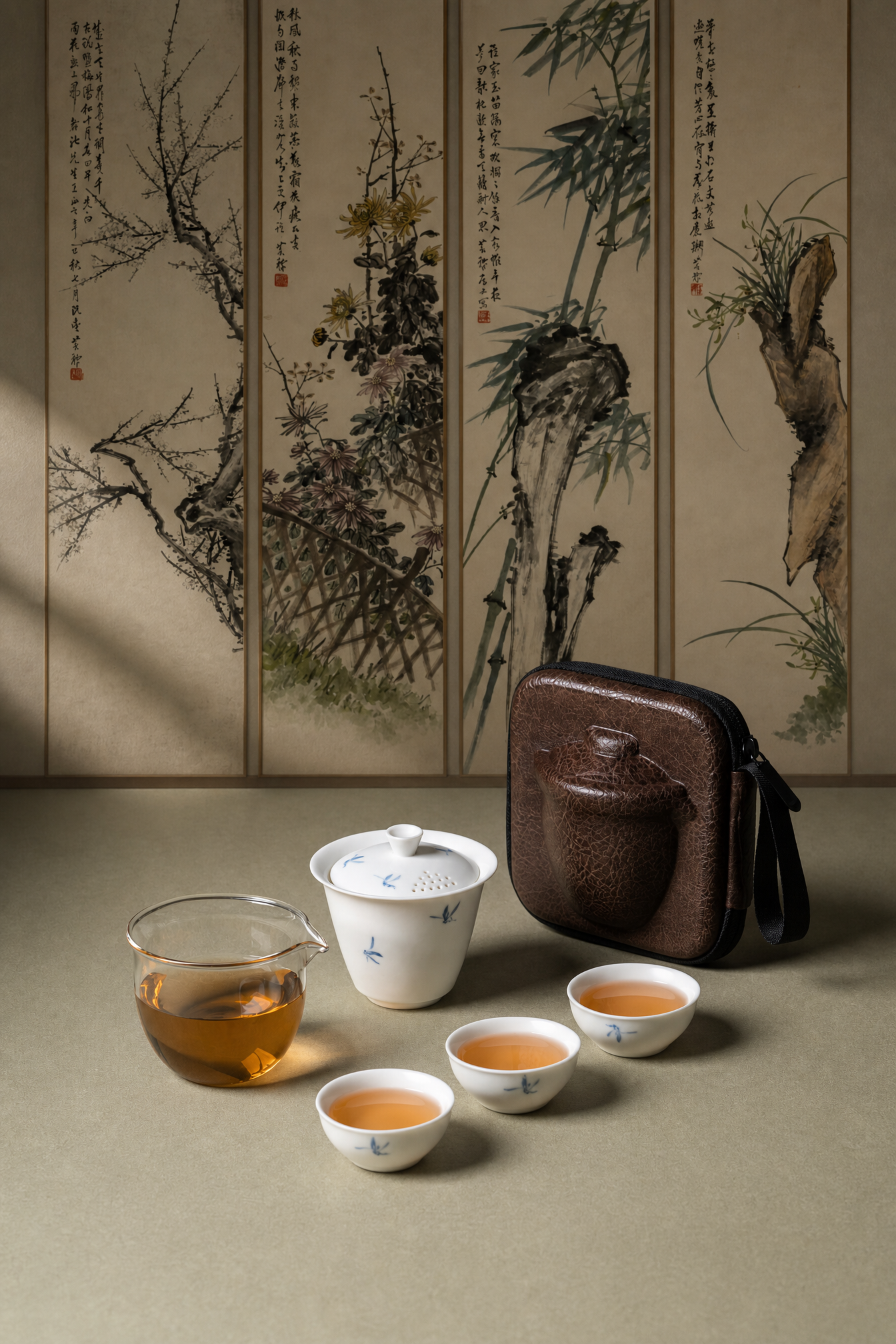
Teapot: A small clay teapot, preferably Yixing clay, which absorbs the tea's essence over time.
-
Tea Cups: Small porcelain cups to appreciate the tea's aroma and flavor.
-
Tea Tray: A tray with a drainage system to catch excess water.
-
Tea Tools: A tea scoop, tea needle, and tongs for handling leaves and cups.
2. Warm the Teapot and Cups
-
Pour hot water into the teapot and cups to preheat them. This ensures the tea stays at the optimal temperature during brewing.
3. Measure and Add the Tea Leaves
-
Use a tea scoop to measure the appropriate amount of tea leaves (usually 5-7 grams for a small teapot). Place the leaves into the teapot.
4. Rinse the Tea Leaves
-
Pour hot water over the leaves and immediately discard the water. This "awakens" the leaves and removes any impurities.
5. Brew the Tea
-
Pour hot water (temperature varies by tea type) over the leaves and let it steep for 10-30 seconds. The first brew is typically short to capture the initial flavors.
6. Pour the Tea
-
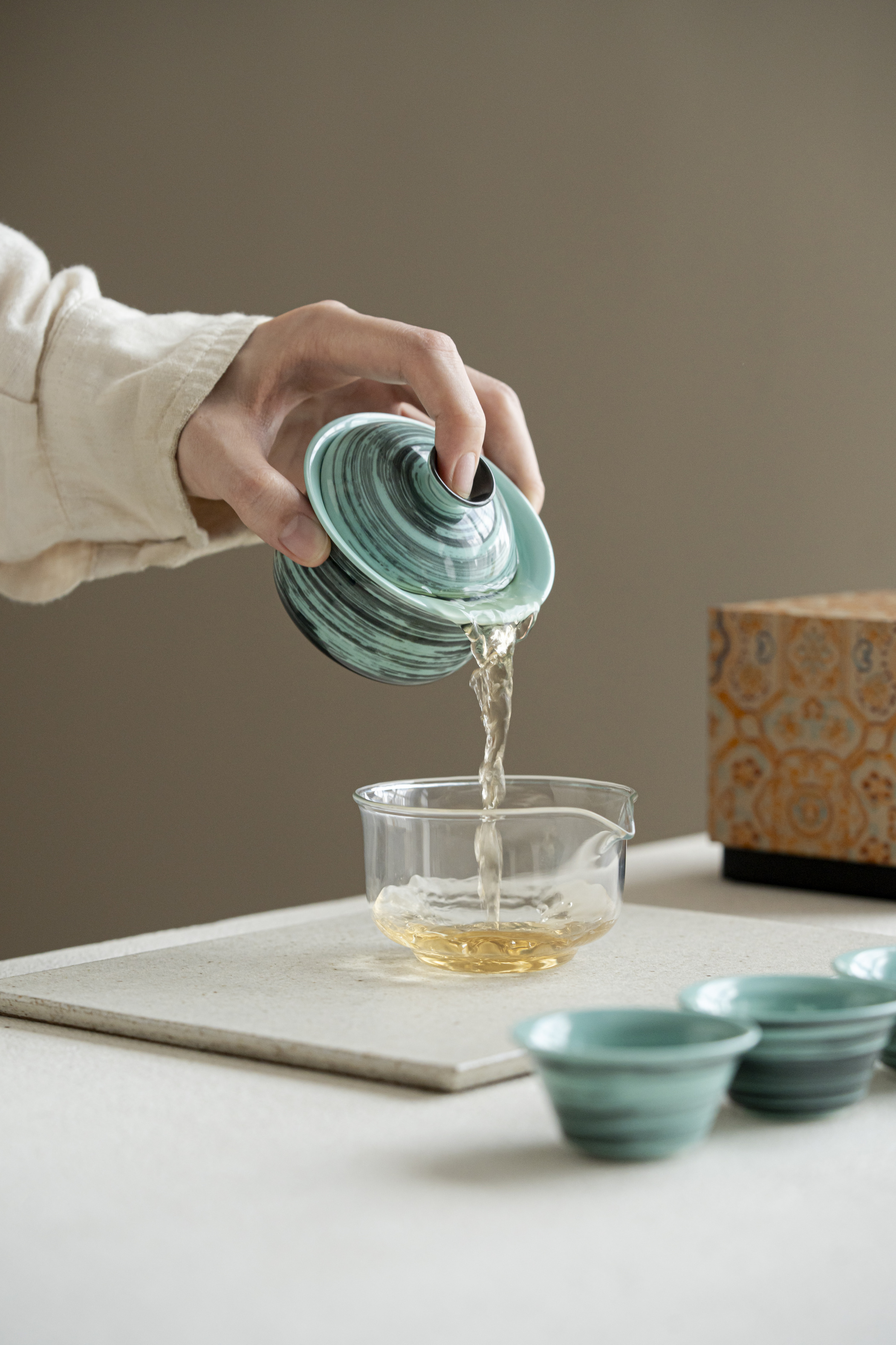
Pour the tea into a fairness pitcher (茶海) to ensure even distribution of flavor. Then, pour from the pitcher into the small cups.
7. Serve and Enjoy
-
Serve the tea to your guests, starting with the eldest or most honored. Encourage them to smell the aroma before sipping slowly to savor the taste.
8. Repeat for Multiple Infusions
-
High-quality teas can be steeped multiple times, with each infusion revealing new layers of flavor. Adjust the steeping time slightly for each brew.
Tips for Beginners
-
Choose the Right Tea: Start with a high-quality oっきり or pu-erh tea, as they are well-suited for the Gongfu method and can be steeped multiple times.
-
Master the Water Temperature: Different teas require different water temperatures. For example, green tea needs cooler water (70-80°C), while black tea and pu-erh prefer hotter water (90-100°C).
-
Be Mindful of Steeping Time: Oversteeping can make the tea bitter. Start with shorter steeps and adjust based on taste.
-
Keep Your Tea Ware Clean: Regularly clean your teapot and cups to maintain the purity of the tea's flavor.
-
Practice Patience: The Gongfu tea ceremony is about slowing down and appreciating the process. Take your time and enjoy each step.
Conclusion
The Chinese tea ceremony, particularly the Gongfu method, is a beautiful blend of history, culture, and mindfulness. For beginners, it offers a unique opportunity to connect with an ancient tradition while enjoying the rich flavors of Chinese tea. By understanding its history, embracing its cultural significance, and following the steps with care, you can begin your own journey into the world of tea. So, gather your tea ware, choose your favorite leaves, and let the ceremony unfold—one sip at a time.
發表評論