
Can Chinese Tea Help You Lose Weight? Exploring the Science
Jul 09,2025 | TeaTsy Team
In recent years, the quest for natural weight loss solutions has led many to explore the benefits of Chinese tea. With its rich history and cultural significance, Chinese tea—particularly green tea, oolong tea, and pu-erh tea—has gained attention not only for its flavor but also for its potential role in weight management. But does science back up these claims? In this article, we’ll dive into the research behind Chinese tea and its effects on weight loss, addressing common questions like "Can Chinese tea help with weight loss?" and offering practical advice for those looking to incorporate it into their routine.
The Role of Chinese Tea in Weight Loss
Chinese teas, especially green, oolong, and pu-erh, have been studied for their potential to aid weight loss. Each type of tea works differently, thanks to their unique compounds and processing methods. Let’s explore how they may help.
1. Green Tea: Boosting Metabolism and Fat Oxidation
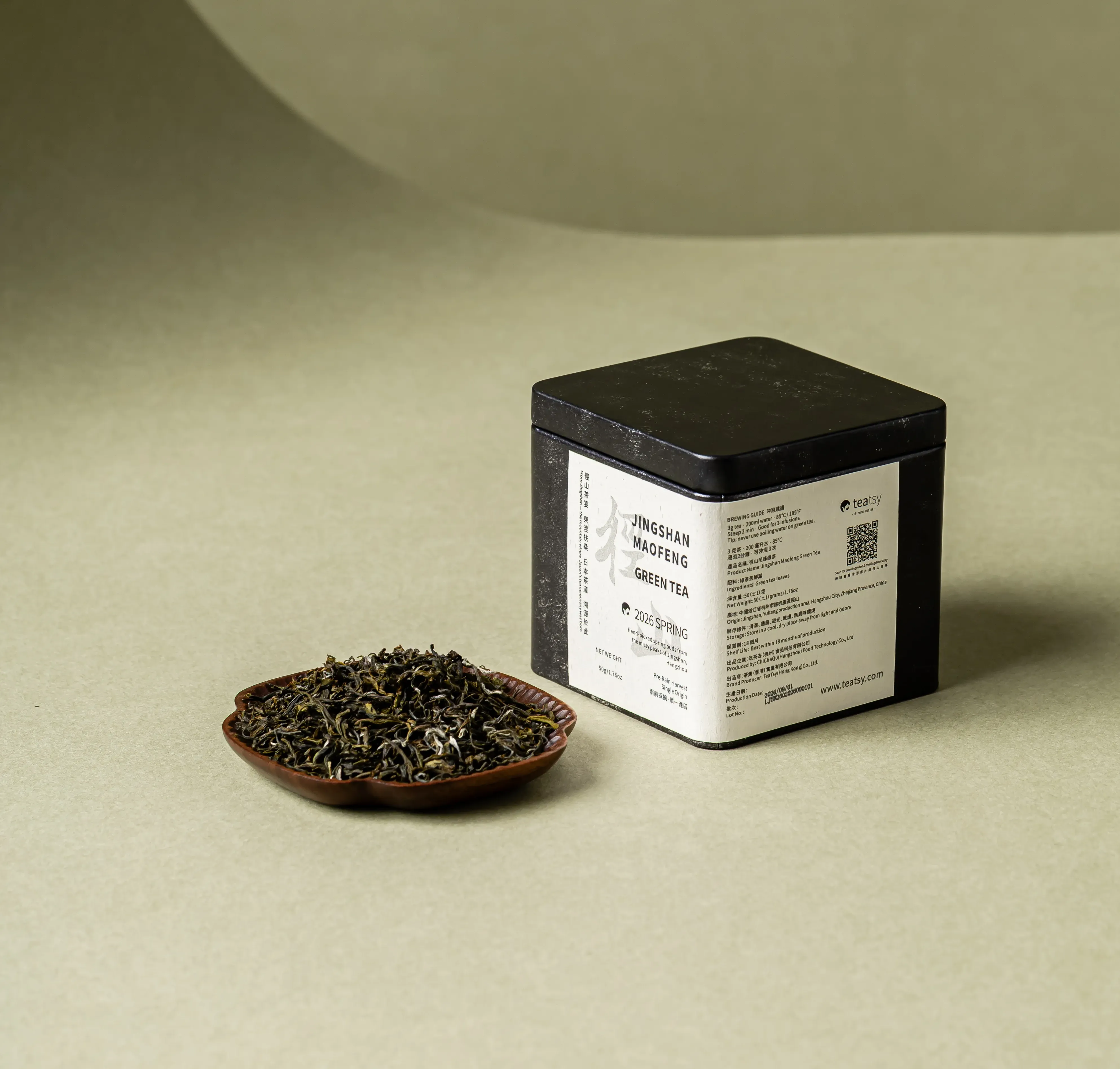
Green tea is perhaps the most well-known for its weight loss benefits. It’s packed with catechins, particularly epigallocatechin gallate (EGCG), a powerful antioxidant that has been shown to increase metabolism. A study published in the American Journal of Clinical Nutrition found that green tea extract can increase fat oxidation by up to 17%, helping the body burn more fat during exercise and even at rest.
Additionally, green tea contains a moderate amount of caffeine, which can enhance energy expenditure and further promote fat burning. Together, EGCG and caffeine make green tea a popular choice for those looking to shed extra pounds.
2. Oolong Tea: Reducing Fat Absorption
Oolong tea, a semi-fermented tea, offers a unique combination of tea polyphenols and caffeine. Research suggests that oolong tea can improve lipid metabolism and reduce fat absorption. A study in the Chinese Journal of Integrative Medicine found that participants who drank oolong tea daily for six weeks experienced a significant reduction in body fat, particularly around the abdomen.
The polyphenols in oolong tea are believed to inhibit the activity of lipase, an enzyme responsible for breaking down fats in the digestive system. By reducing fat absorption, oolong tea may help prevent weight gain, especially when consumed after meals.
3. Pu-erh Tea: Regulating Fat Metabolism
Pu-erh tea, a fermented tea from Yunnan province, has a distinct earthy flavor and is often touted for its weight loss properties. Studies indicate that pu-erh tea can lower blood lipids and reduce fat accumulation. A 2016 study published in Phytotherapy Research showed that pu-erh tea extract helped reduce body weight and fat mass in animal models by regulating fat metabolism and decreasing the size and number of fat cells.
Additionally, pu-erh tea contains compounds like theabrownin, which may help lower cholesterol levels and support overall metabolic health.
What Does the Science Say?
While the research is promising, it’s important to note that Chinese tea is not a magic bullet for weight loss. Most studies show modest effects, and tea should be seen as a complement to a healthy diet and regular exercise, not a replacement.
For example:
-
A meta-analysis in the International Journal of Obesity concluded that green tea catechins combined with caffeine can lead to a small but significant reduction in body weight.
-
Another study in the Journal of Nutrition found that oolong tea increased energy expenditure by 2.9% over 24 hours, equivalent to burning an extra 67 calories per day.
-
Research on pu-erh tea is still emerging, but early findings suggest it may help with fat metabolism and weight management, particularly when consumed regularly.
Addressing Common Questions
1. Can Chinese tea alone help me lose weight?
While Chinese tea can support weight loss, it’s not a standalone solution. For best results, pair it with a balanced diet and regular physical activity. Think of tea as a helpful tool in your weight loss journey, not the entire strategy.
2. When is the best time to drink Chinese tea for weight loss?
Drinking tea after meals can aid digestion and may help reduce fat absorption, especially with oolong and pu-erh teas. However, green tea can be enjoyed throughout the day to boost metabolism.
3. How much tea should I drink?
Moderation is key. Drinking 2-3 cups of Chinese tea daily is generally safe for most people. However, excessive consumption can lead to caffeine-related side effects like jitteriness or insomnia.
Practical Tips for Incorporating Chinese Tea into Your Routine
-
Choose High-Quality Tea: Opt for loose-leaf teas over tea bags for better flavor and higher nutrient content. Avoid adding sugar or milk, as these can add unnecessary calories.
-
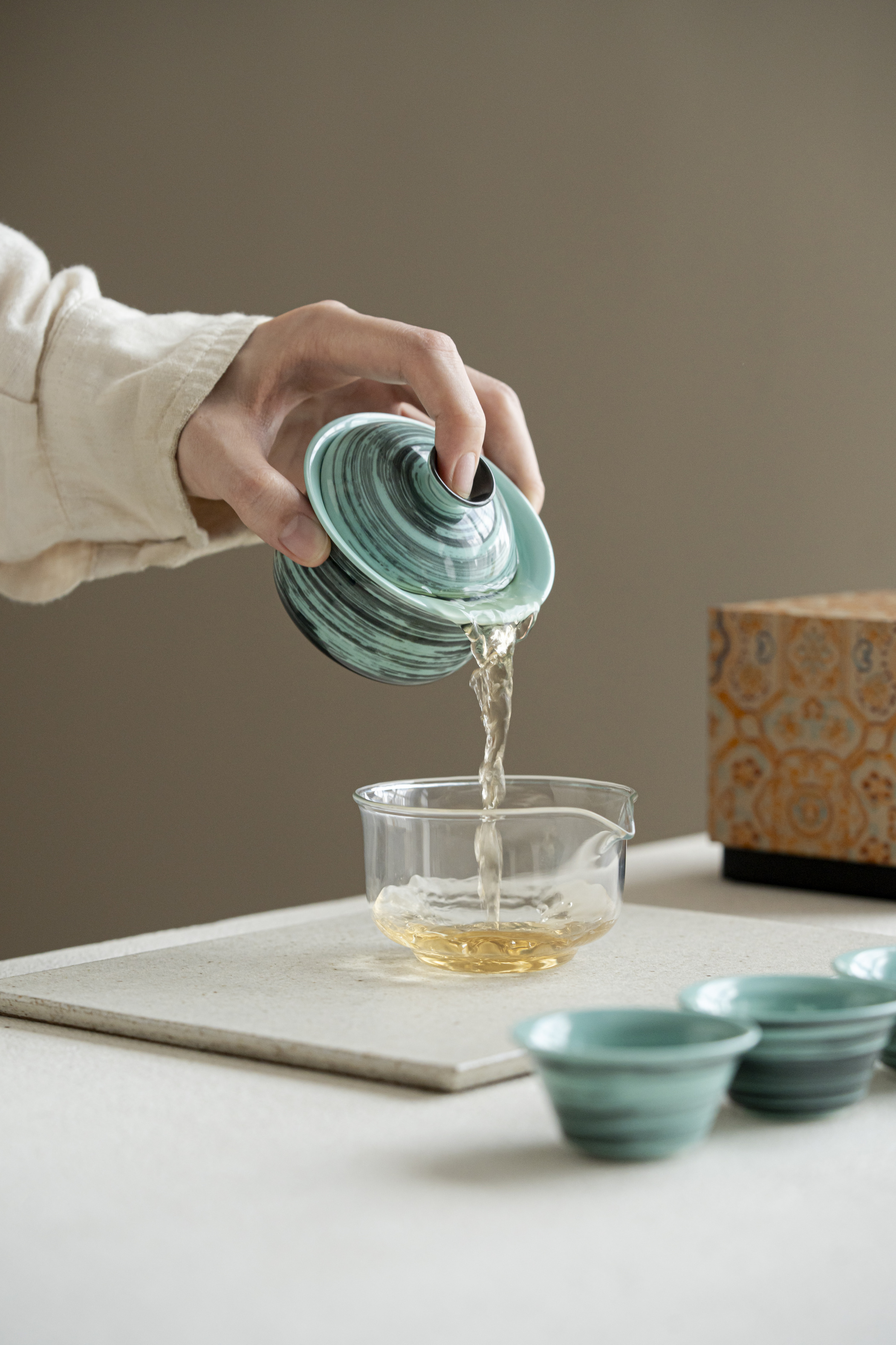
Brew It Right: Use hot (not boiling) water to preserve the tea’s beneficial compounds. For green tea, steep at 160-180°F (70-80°C) for 1-3 minutes. Oolong and pu-erh can handle hotter water (190-200°F or 85-95°C) and longer steeping times.
-
Make It a Habit: Consistency is key. Incorporate Chinese tea into your daily routine, whether it’s a morning ritual or an after-dinner drink, to reap its long-term benefits.
Conclusion
Chinese tea, particularly green, oolong, and pu-erh, offers promising benefits for weight loss, backed by scientific research. From boosting metabolism to reducing fat absorption, these teas can be a valuable addition to a healthy lifestyle. However, they are not a quick fix. For sustainable weight loss, combine tea with a balanced diet and regular exercise. So, brew a cup, enjoy the process, and let Chinese tea support your journey to better health.
Sources:
-
American Journal of Clinical Nutrition (2005): "Green tea extract increases fat oxidation during moderate-intensity exercise."
-
Chinese Journal of Integrative Medicine (2009): "Oolong tea reduces body fat in obese subjects."
-
Phytotherapy Research (2016): "Pu-erh tea extract reduces body weight and fat mass in rats."
-
International Journal of Obesity (2010): "Meta-analysis of green tea catechins and weight loss."
-
Journal of Nutrition (2003): "Oolong tea increases energy expenditure in humans."
Bình luận