
The Health Benefits of Chinese Tea: From Digestion to Detox
Jul 09,2025 | TeaTsy Team
Chinese tea has been a cornerstone of wellness for centuries, cherished not only for its taste but also for its remarkable health benefits. Whether you're looking to soothe your stomach, cleanse your system, or keep your blood pressure in check, Chinese tea offers a natural solution. Let’s dive into how teas like pu-erh, green, and oolong can support your health, backed by science and tailored to your concerns.
Chinese Tea and Digestion
Struggling with digestion after a big meal? Chinese tea might be your answer. Certain varieties stand out for their ability to ease bloating, break down fats, and support gut health.
-
Pu-erh Tea: Hailing from Yunnan, this fermented tea is a digestive hero. The fermentation process creates probiotics that balance gut bacteria. Research from the Journal of Agricultural and Food Chemistry shows pu-erh can help digest fatty foods by reducing fat buildup in the body.
-
Oolong Tea: With its partly fermented leaves, oolong is packed with polyphenols that speed up fat metabolism. A study in the Chinese Journal of Integrative Medicine highlights how it reduces bloating and aids digestion.
-
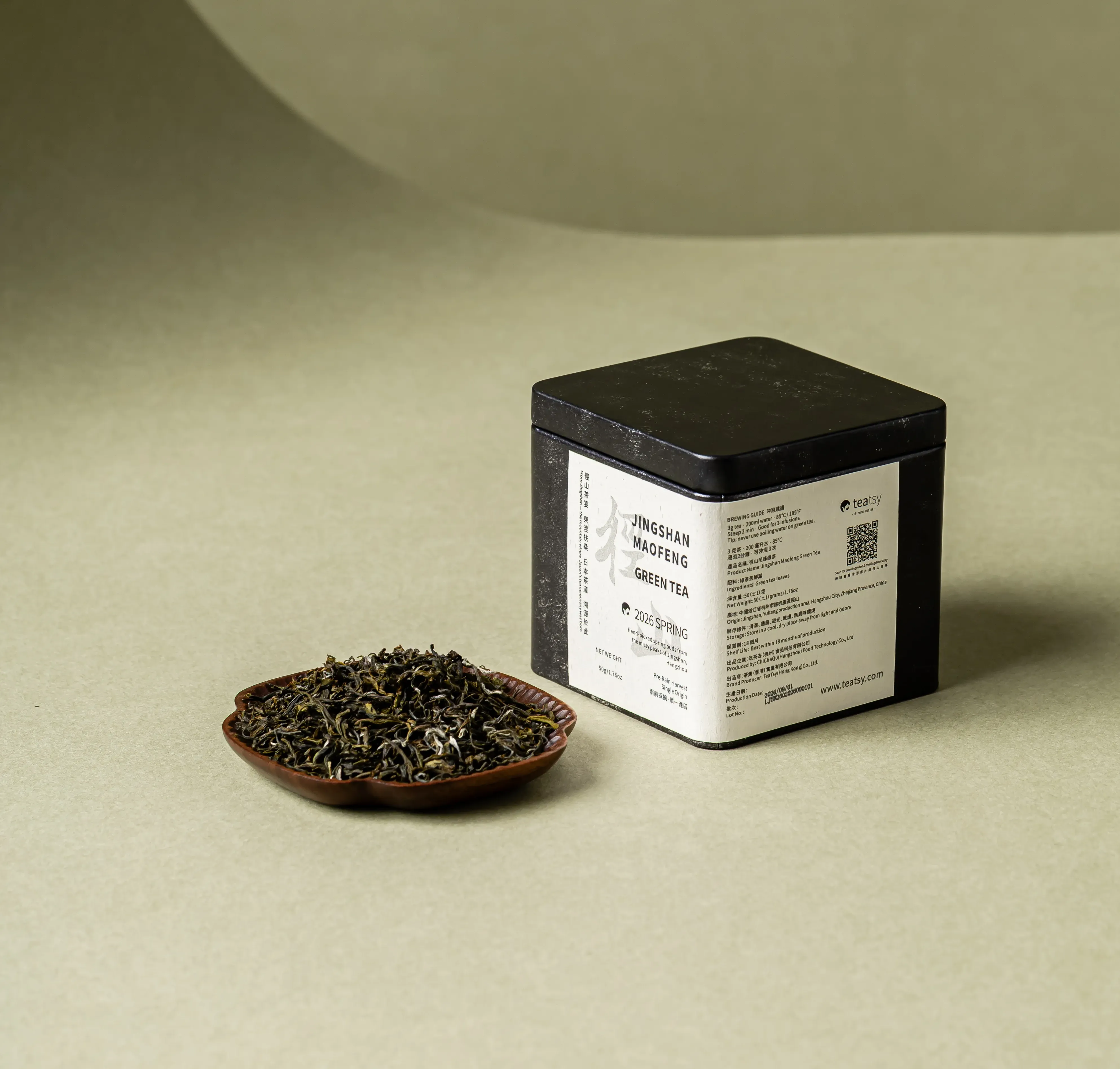
Green Tea: Loaded with catechins, green tea fights gut inflammation. According to the European Journal of Nutrition, it can ease indigestion symptoms and promote a healthier digestive system.
Tip: Sip pu-erh or oolong after a heavy meal to feel lighter and more comfortable.
Detoxification with Chinese Tea
Want to give your body a natural cleanse? Chinese teas like green and white tea are packed with antioxidants that detoxify and protect your liver.
-
Green Tea: Thanks to EGCG (epigallocatechin gallate), green tea boosts liver detox processes. The Journal of Nutritional Biochemistry found it helps the liver flush out toxins more effectively.
-
White Tea: Known for its delicate flavor, white tea has even higher antioxidant levels than green tea. The Journal of Food Science suggests it shields the liver from toxin-related damage.
-
Dandelion Tea: A staple in Chinese herbal traditions, this tea acts as a diuretic, flushing toxins via urine.
Tip: Kick off your morning with green or white tea to jumpstart your body’s detox routine.
Chinese Tea and Blood Pressure Regulation
Keeping blood pressure steady is key to heart health, and Chinese tea can lend a hand naturally.
-
Green Tea: Its catechins relax blood vessels, improving blood flow. A Journal of Hypertension meta-analysis found that regular green tea drinkers see a slight drop in systolic blood pressure.
-
Hibiscus Tea: Popular in Chinese herbal blends, hibiscus tea lowers both systolic and diastolic pressure, per the Journal of Nutrition.
-
Hawthorn Berry Tea: Used traditionally for heart health, this tea supports circulation. The American Journal of Chinese Medicine notes its ability to lower blood pressure and enhance heart function.
Tip: Add green or hibiscus tea to your daily habits for a heart-friendly boost.
Bonus Benefits
Chinese tea does more than just target digestion, detox, and blood pressure. Here are a few extras:
-
Weight Management: Green and oolong teas rev up metabolism. The International Journal of Obesity found green tea can increase fat burning by up to 17%.
-
Immune Boost: Antioxidants in white and green teas strengthen immunity, as shown in the Journal of the American College of Nutrition.
-
Mental Focus: L-theanine in oolong and black teas promotes calm alertness, according to the Asia Pacific Journal of Clinical Nutrition.
Wrap-Up
Chinese tea isn’t just a drink—it’s a wellness tradition steeped in science. Whether you’re sipping pu-erh for digestion, green tea for detox, or hibiscus for blood pressure, these teas deliver real benefits. Brew a cup today, enjoy the flavor, and let Chinese tea nurture your health naturally.
Sources: Studies from Journal of Agricultural and Food Chemistry, Chinese Journal of Integrative Medicine, European Journal of Nutrition, Journal of Nutritional Biochemistry, Journal of Food Science, Journal of Hypertension, Journal of Nutrition, American Journal of Chinese Medicine, International Journal of Obesity, Journal of the American College of Nutrition, and Asia Pacific Journal of Clinical Nutrition.
Comentario