
Exploring the World of Oolong Tea: A Chinese Treasure
Jul 09,2025 | TeaTsy Team
Oolong tea, also known as Wulong tea, stands as a distinctive category within Chinese tea culture, celebrated for its complex flavors and substantial health benefits. Positioned between green and black tea, it blends the freshness of the former with the robustness of the latter, captivating tea enthusiasts worldwide. This article delves into the origins, production process, health benefits, and diverse varieties of oolong tea, offering a comprehensive guide for those intrigued by this specific tea type.
Key Highlights
-
Origins: Oolong tea originated in Fujian, China, with a history dating back to the Song Dynasty (960-1279 AD), named "Wulong" meaning "Black Dragon."
-
Production Process: Through partial fermentation (oxidation levels of 10%-70%), oolong tea develops a unique flavor profile, ranging from floral to fruity to roasted notes.
-
Health Benefits: Research suggests oolong tea may aid weight loss, improve heart health, prevent cancer, and promote dental health, though some effects (e.g., diabetes management) remain debated.
-
Varieties: Includes Tieguanyin, Da Hong Pao, Dong Ding, and others, each with distinct flavors.
-
Considerations: Oolong tea contains caffeine (approximately 10-60 mg per cup), which may affect iron absorption; it is recommended to consume it outside of mealtimes.
Origins and History of Oolong Tea
Oolong tea traces its roots to Fujian Province, China, with origins potentially reaching back to the Song Dynasty (960-1279 AD). Legend has it that a hunter named Wu Liang, distracted by a hunt, left freshly picked tea leaves to undergo natural fermentation, resulting in a unique flavor. This gave rise to the name "Wulong" or "Black Dragon." By the Qing Dynasty, tea masters refined the process by controlling oxidation levels, establishing oolong as a distinct tea category between unoxidized green tea and fully oxidized black tea.
Today, the primary production regions are Fujian and Taiwan. Fujian’s oolong teas are renowned for their rich, roasted profiles, while Taiwan’s offerings lean toward lighter, floral notes. This heritage has propelled oolong tea’s global popularity as a significant element of tea culture.
Production Process
The production of oolong tea is a meticulous and intricate process, involving the following key steps:
-
Withering: Freshly harvested leaves are spread out under the sun or indoors to lose moisture, making them pliable for further processing.
-
Tossing and Oxidation: Leaves are gently shaken or rolled to bruise the edges, initiating oxidation. The degree of oxidation, typically between 10% and 70%, shapes the tea’s flavor.
-
Fixation: Heating (via pan-frying or baking) halts oxidation, preserving the tea’s aroma and taste.
-
Rolling and Shaping: Leaves are rolled into strips or balls to enhance flavor and define their appearance.
-
Drying: The final drying step removes residual moisture, ensuring long-term storage stability.
This process demands the expertise of skilled tea masters, with regional variations and techniques contributing to oolong tea’s diversity. For instance, Wuyi Mountain’s rock teas are noted for their mineral-rich tones, while Taiwan’s Dong Ding offers a honeyed fruitiness.
Health Benefits
Oolong tea is rich in polyphenolic antioxidants, with research indicating a range of health benefits. Below are the primary advantages supported by scientific evidence:
|
Health Benefit |
Details |
Supporting Evidence |
|---|---|---|
|
Heart Health |
Consuming at least 10 ounces of oolong tea weekly may reduce total cholesterol, triglycerides, and low-density lipoprotein (LDL) levels, lowering heart disease risk. Men drinking more than one cup daily show reduced risk. |
A study in the British Journal of Nutrition found significant blood lipid reduction with weekly intake of 10 ounces. |
|
Weight Loss |
Oolong tea boosts metabolism and reduces fat absorption. A study showed that drinking 300 ml daily, four times a day for six weeks, led to over 1 kg weight loss in more than 50% of participants. |
Research from the Journal of Nutrition. |
|
Cancer Prevention |
One cup daily may decrease head and neck cancer risk by 4% (not statistically significant). Green, black, and oolong teas are linked to reduced ovarian cancer risk. |
Data from the National Cancer Institute. |
|
Diabetes Management |
Three or more cups daily may lower type 2 diabetes risk, but six cups per day showed no improvement in blood sugar or insulin levels. Two or more cups daily may increase risk. |
Findings in the European Journal of Clinical Nutrition. |
|
Dental Health |
Fluoride content helps prevent cavities; daily intake should not exceed 1 liter for safety. |
Information from the Linus Pauling Institute. |
|
Additional Benefits |
Long-term consumption may improve bone density and reduce chronic disease risk, though further research is needed. |
Reported in Today’s Dietitian. |
Precautions: Oolong tea contains caffeine (10-60 mg per 8 oz cup), which may inhibit iron absorption. It is advisable to drink it between meals or pair it with vitamin C-rich foods to enhance iron uptake.
Varieties of Oolong Tea
Oolong tea encompasses a wide array of varieties, each with unique characteristics. Notable examples include:
-
Tieguanyin (Iron Goddess of Mercy): Originating from Anxi, Fujian, it is celebrated for its floral and fruity notes, offering a smooth, sweet taste.
-
Da Hong Pao (Big Red Robe): From Wuyi Mountain, Fujian, this premium tea features a robust roasted aroma and a lingering aftertaste.
-
Dong Ding (Frozen Summit): A Taiwanese specialty with honey, fruit, and subtle mineral notes, known for its elegance.
-
Baozhong: A light, floral Taiwanese oolong, ideal for those who prefer a refreshing taste.
-
Wuyi Rock Tea: Renowned for its intense roasted flavor and mineral undertones from Wuyi Mountain.
Flavored Oolong Teas
In recent years, flavored oolong teas have gained popularity for their unique profiles and added health benefits:
-
Rose Oolong Tea: Combines rose’s floral scent with oolong’s smoothness, potentially offering relaxation and skin health benefits.
-
White Peach Oolong Tea: Infused with a sweet fruity flavor, it appeals to those seeking a refreshing twist, widely praised on social media.
These flavored options enhance the tasting experience and attract consumers looking for novelty.
How to Select and Enjoy Oolong Tea
-
Choosing Quality Tea: Opt for loose-leaf tea over tea bags for superior flavor and nutritional value. Reputable brands from Fujian or Taiwan are recommended.
-
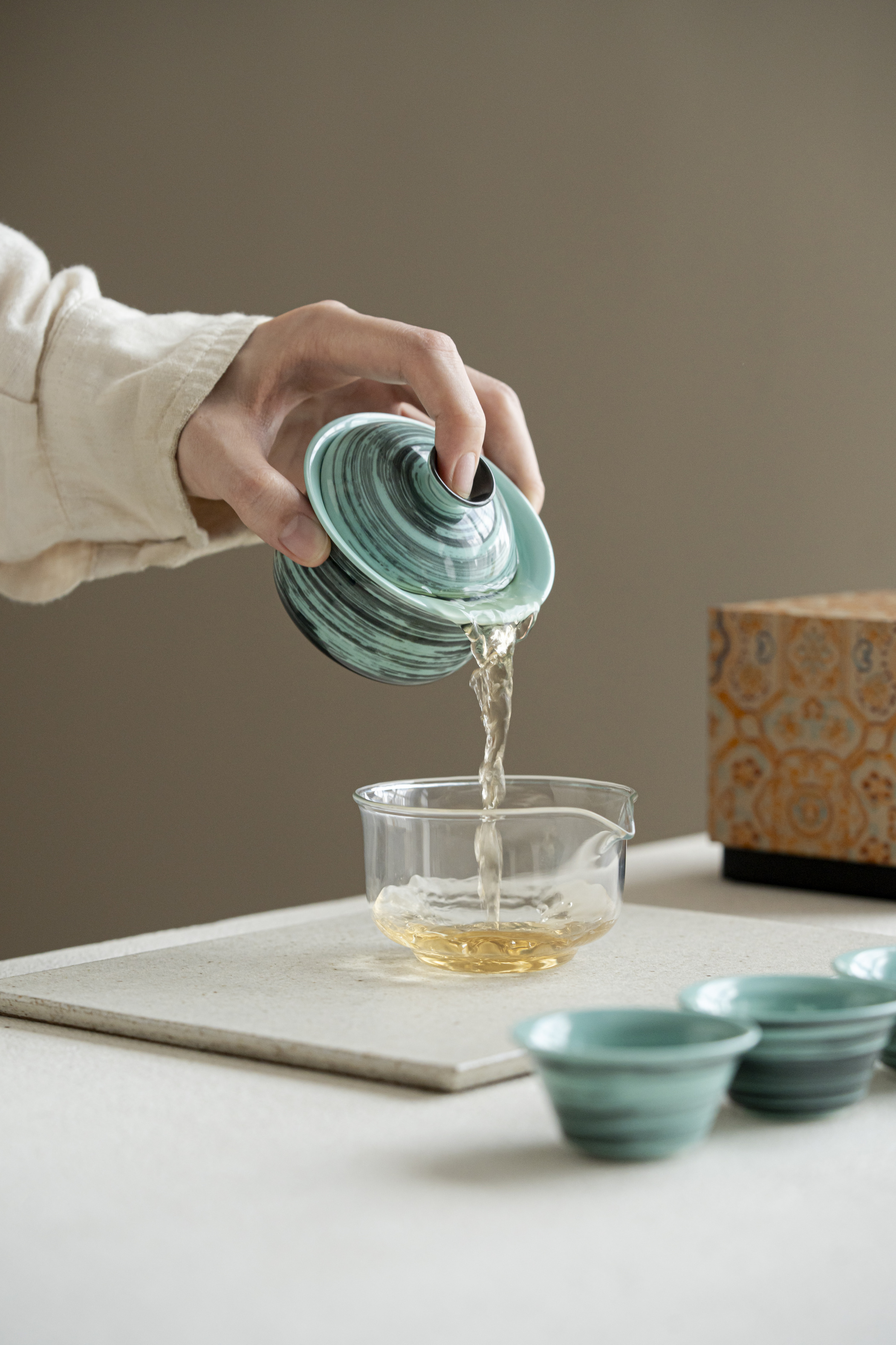
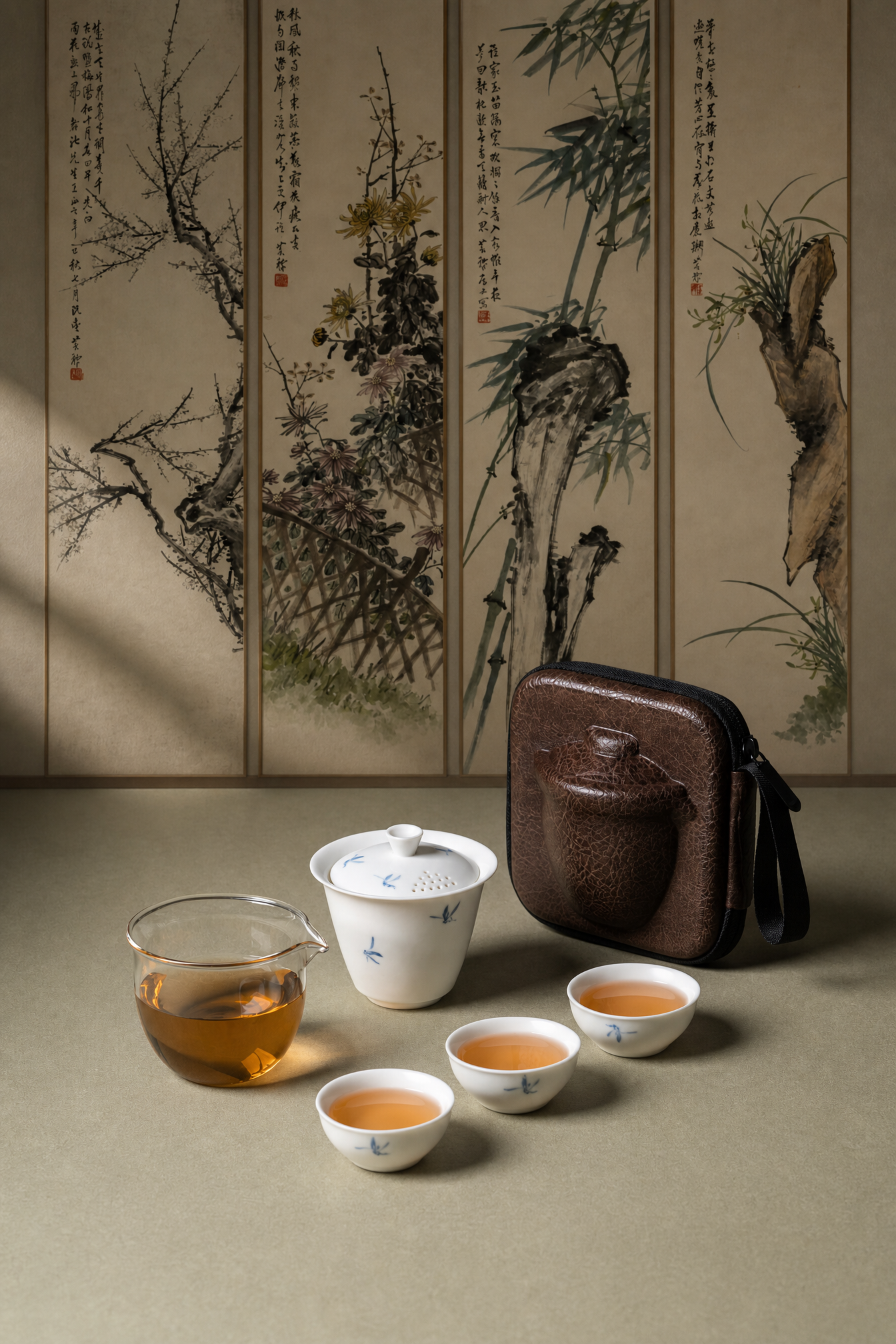
Brewing Techniques: Use water at 80-95°C and steep for 1-5 minutes. The Gongfu tea method, using a gaiwan or Yixing clay teapot with multiple short infusions, fully reveals oolong’s flavors.
-
Consumption Guidelines: Two to three cups daily are ideal; avoid excessive intake to minimize caffeine effects. Tea enthusiasts on social media often recommend trying rose or white peach oolong for added enjoyment.
Conclusion
Oolong tea is a jewel in the world of tea, blending the freshness of green tea with the depth of black tea. Its intricate production process, rich history, and diverse health benefits make it a favorite among tea aficionados. Whether you’re a seasoned tea lover or a newcomer, oolong tea offers a unique tasting journey. Brew a cup today, savor its captivating flavors, and embrace its wellness potential.
Comentario