
What Is Chinese Tea? A Comprehensive Guide to Its Types and Origins
Jul 09,2025 | TeaTsy Team
Imagine sipping a warm, fragrant cup of tea as the mist rolls over ancient Chinese mountains—a ritual that traces back over 4,700 years to the legendary Emperor Shen Nong, who is said to have discovered tea around 2737 BCE when a tea leaf fell into his boiling water. This serendipitous moment sparked a cultural phenomenon that has shaped China’s identity and influenced the world. Chinese tea, deeply woven into the fabric of daily life, ceremonies, and trade, is more than a beverage—it’s a symbol of harmony, health, and heritage. From the misty hills of Fujian to the vast plains of Yunnan, the journey of Chinese tea is a testament to human ingenuity and nature’s bounty. Whether you’re a tea enthusiast or a curious beginner, this guide dives into the essence of Chinese tea types, its rich origin, and its global legacy, answering questions like “What is Chinese tea?” and “Where is Chinese tea from?”
What Is Chinese Tea? Defining the Essence
Chinese tea is a broad category of teas derived from the Camellia sinensis plant, native to China, where it has been cultivated for millennia. Unlike herbal infusions, which use various plants (e.g., chamomile or peppermint), Chinese tea specifically refers to leaves processed through methods like oxidation, fermentation, and drying. This distinguishes it from teas produced in India (like Darjeeling) or Japan (like matcha), which, while also from Camellia sinensis, follow different cultural and processing traditions.
The magic of Chinese tea lies in its diversity, shaped by regional climates, soil, and centuries-old techniques. Whether it’s the unoxidized freshness of green tea or the aged complexity of pu-erh, Chinese tea types reflect a spectrum of flavors and health benefits. This variety sets it apart, making it a cornerstone of global tea culture. For a deeper dive into its wellness perks, check out our article on Chinese Tea Health Benefits.
Major Types of Chinese Tea
China boasts an impressive array of tea types, each with distinct characteristics. Here’s a breakdown of the six major categories under “Chinese tea types”:
Green Tea
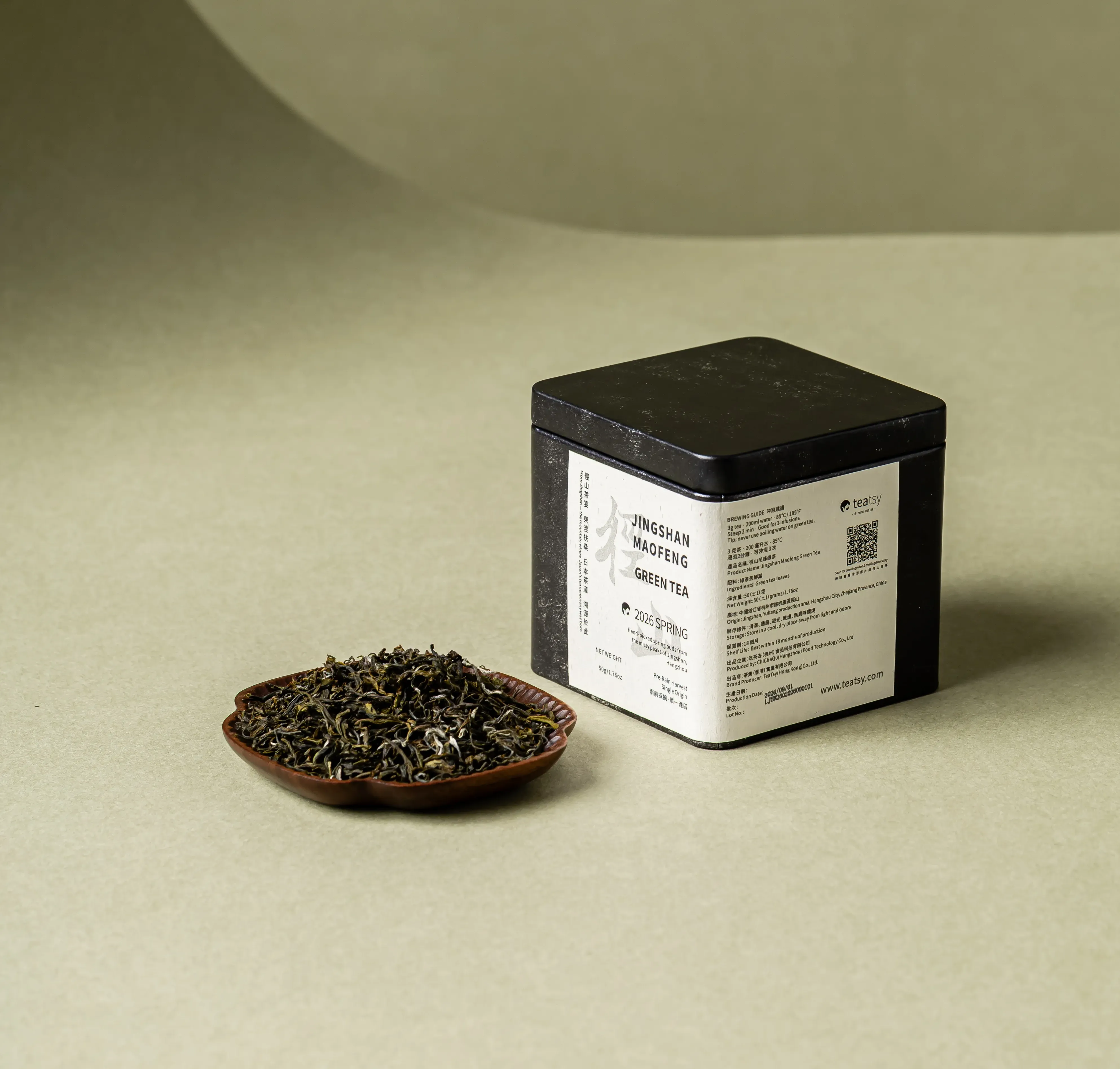
Unoxidized and rich in antioxidants, green tea like Longjing (Dragon Well) offers a fresh, grassy taste. Produced by steaming or pan-firing to halt oxidation, it’s a staple in Zhejiang and Jiangsu provinces. Its high catechin content supports metabolism, making it a favorite among health-conscious drinkers.
Black Tea
Known as “red tea” in China due to its amber hue, black tea (e.g., Keemun, Yunnan Black) is fully oxidized. This process creates a robust, malty flavor ideal for morning brews. Originating in Fujian, it gained fame through the 19th-century tea trade with the West.
Oolong Tea
Partially oxidized (10-70%), oolong tea strikes a balance between green and black. Varieties like Tieguanyin from Fujian or Dong Ding from Taiwan range from floral to roasted notes. Its complex profile makes it a star in the Chinese tea ceremony.
White Tea
Minimally processed, white tea (e.g., Baihao Yinzhen) uses young leaves and buds, resulting in a delicate, sweet flavor. Grown mainly in Fujian, its low oxidation preserves high antioxidant levels, appealing to those seeking subtle tastes.
Yellow Tea
A rare type, yellow tea undergoes a “yellowing” process that mellows its flavor, offering a smooth, nutty taste (e.g., Junshan Yinzhen). Produced in Hunan and Anhui, it’s less common but prized for its uniqueness.
Pu-erh Tea
Fermented and often aged, pu-erh from Yunnan develops an earthy, deep flavor that improves over time. Available as raw (Sheng) or ripe (Shu), it’s celebrated for digestion benefits and is a collector’s item.
Each type reflects China’s mastery over tea processing, inviting exploration into “Chinese tea types” for every palate.
Historical Timeline of Chinese Tea Development
The story of Chinese tea history is a fascinating evolution. Around 2737 BCE, Emperor Shen Nong’s accidental discovery marked the birth of tea, initially used for medicinal purposes. By the Han Dynasty (206 BCE–220 CE), tea became a common drink, with records of its cultivation emerging.
The Tang Dynasty (618–907 CE) elevated tea’s status, thanks to Lu Yu’s The Classic of Tea, which standardized its production and appreciation. This period saw tea houses flourish, embedding it in social life. The Song Dynasty (960–1279 CE) introduced powdered tea, while the Ming Dynasty (1368–1644 CE) shifted to loose-leaf tea, refining techniques that define modern Chinese tea origin.
The Qing Dynasty (1644–1912 CE) saw pu-erh’s rise and the global export of teas like Keemun, sparking the British tea trade. Today, Chinese tea history continues to evolve, blending tradition with innovation, influencing tea cultures worldwide.
Key Regions of Chinese Tea Production
China’s diverse geography shapes its tea production, with several regions standing out for “Chinese tea origin”:
- Fujian: A powerhouse for oolong (Tieguanyin), white (Baihao Yinzhen), and black (Lapsang Souchong) teas. Its mountainous terrain and humid climate create ideal growing conditions.
- Yunnan: The cradle of tea, where wild tea trees still grow. It’s famous for pu-erh, with its unique fermentation process tied to the region’s soil.
- Zhejiang: Home to Longjing green tea, this province’s soft water and rolling hills produce some of the finest green teas.
- Anhui: Known for yellow tea (Huoshan Huangya) and green tea (Maojian), its misty valleys enhance tea quality.
- Taiwan: Though politically distinct, its tea heritage (e.g., Dong Ding oolong) stems from Fujian immigrants, adding to China’s tea legacy.
These regions’ microclimates and traditional methods ensure the authenticity of Chinese tea types.
Modern Uses and Global Impact
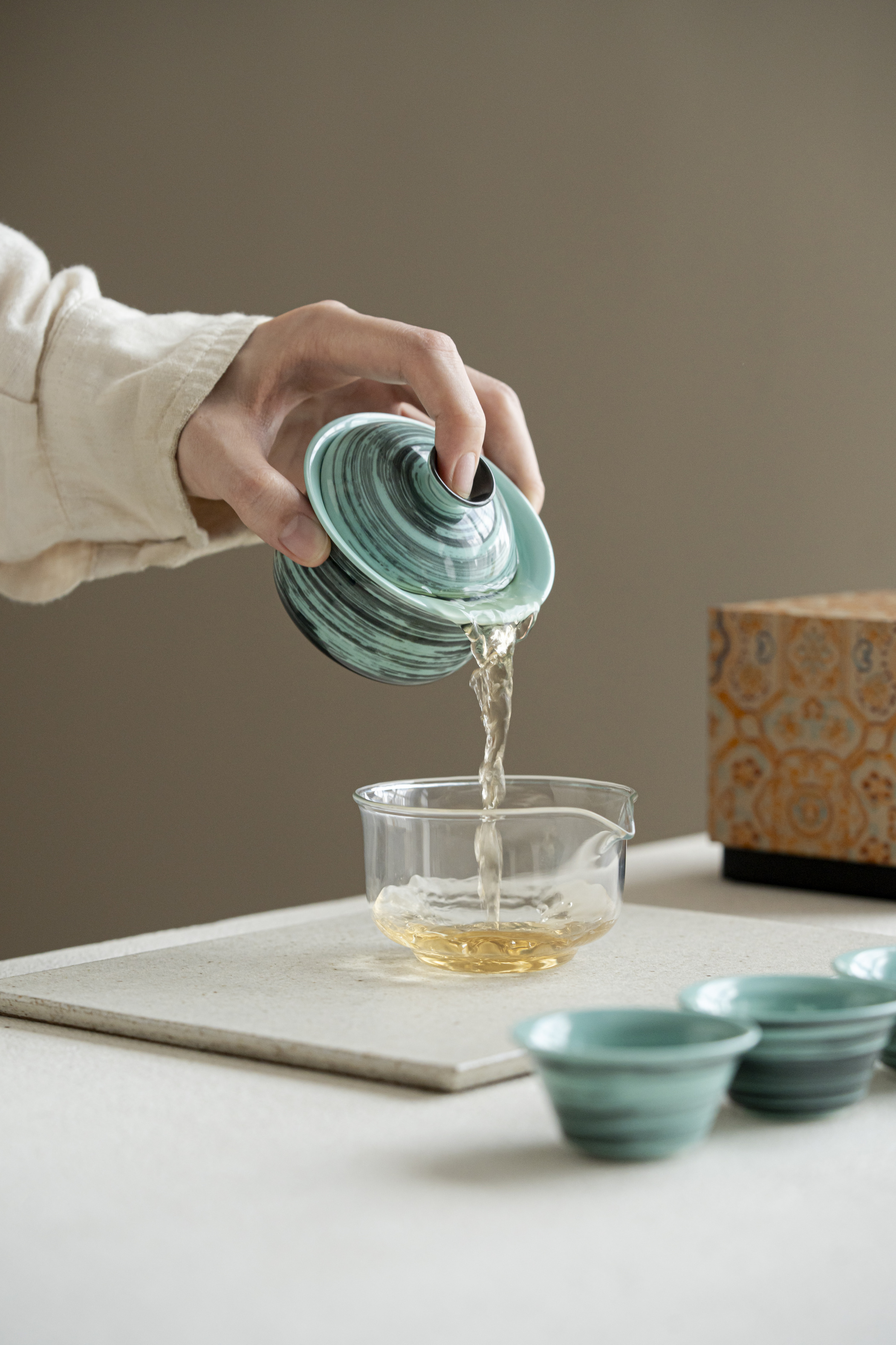
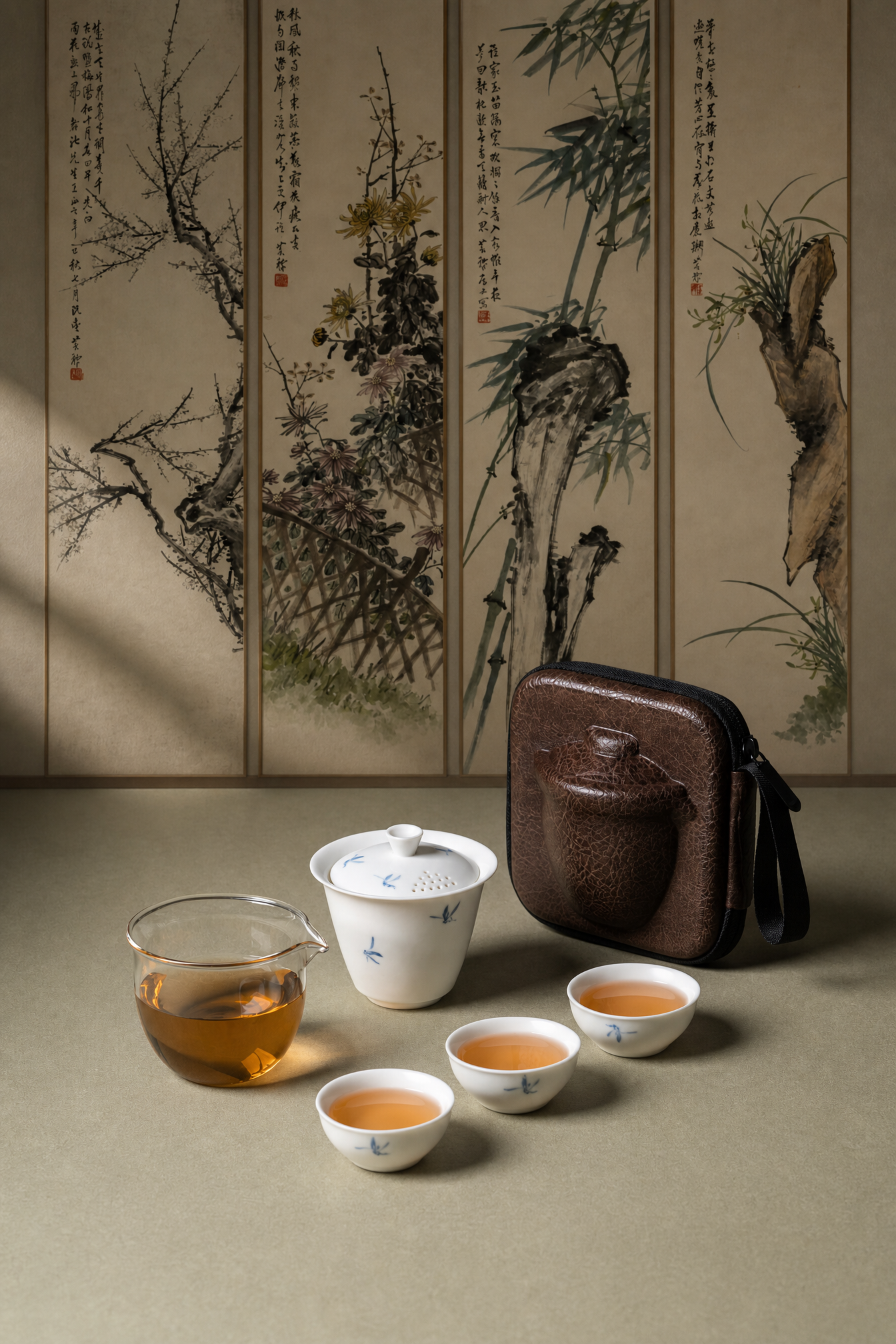
Today, Chinese tea extends beyond tradition into modern lifestyles. It’s a key ingredient in wellness drinks, with green tea extracts in supplements and pu-erh in detox teas. The Chinese tea ceremony remains a cultural draw, while travel tea sets make it portable for busy lives.
Globally, Chinese tea has left an indelible mark. The British tea culture owes its roots to 19th-century imports like Keemun, while Japan’s tea ceremony evolved from Tang Dynasty practices. In the U.S., the demand for “Chinese tea types” is rising, with brands marketing organic Longjing and aged pu-erh. This global influence underscores tea’s role in cross-cultural exchange, from Silk Road trade to today’s e-commerce.
Comentario