Linglong Porcelain Teacups: A Modern Take on Ancient Chinese Craftsmanship and Mindful Tea Rituals
Jun 16,2026 | TeaTsy Team
The History of Linglong Porcelain
Linglong porcelain — also known as "rice-grain porcelain" or "Devil's work" porcelain — originated in the imperial kilns of Jingdezhen, Jiangxi Province, during the late Ming dynasty.

Skilled artisans painstakingly pierced tiny apertures into the unfired clay body before glazing, then fired the pieces at temperatures exceeding 1,280°C. During firing, the liquid glaze flowed naturally into the perforations, forming a translucent glassy membrane as thin as a moth's wing.
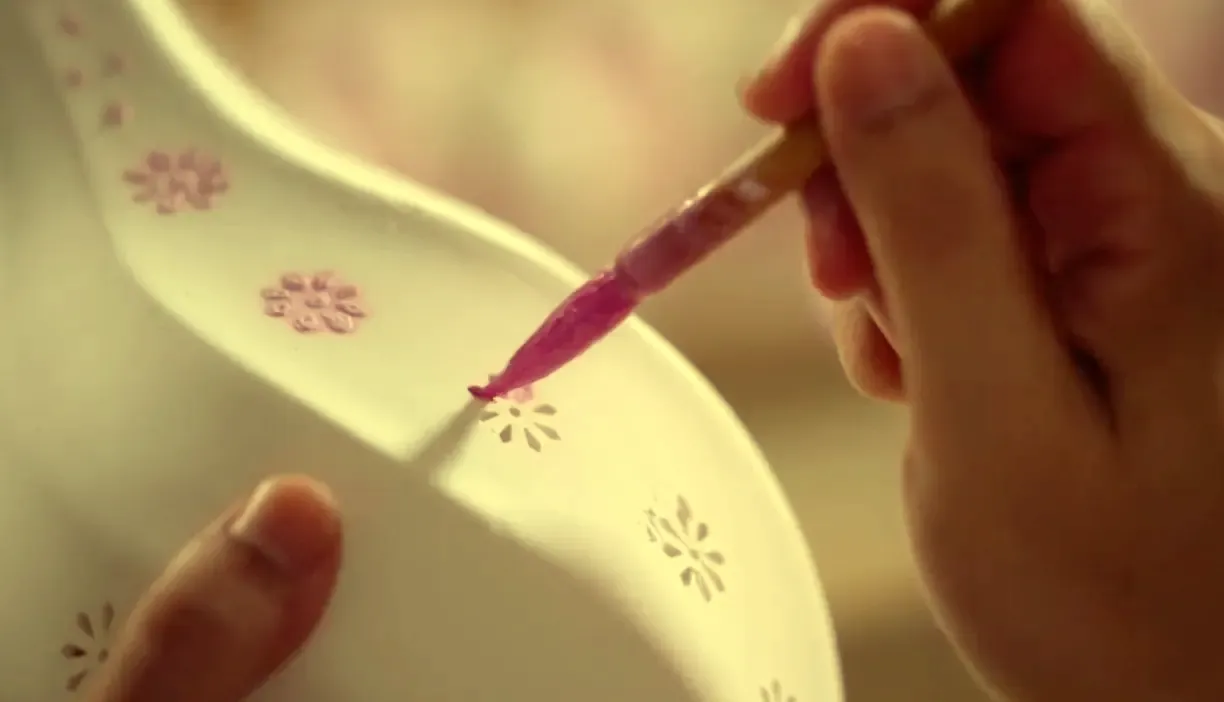
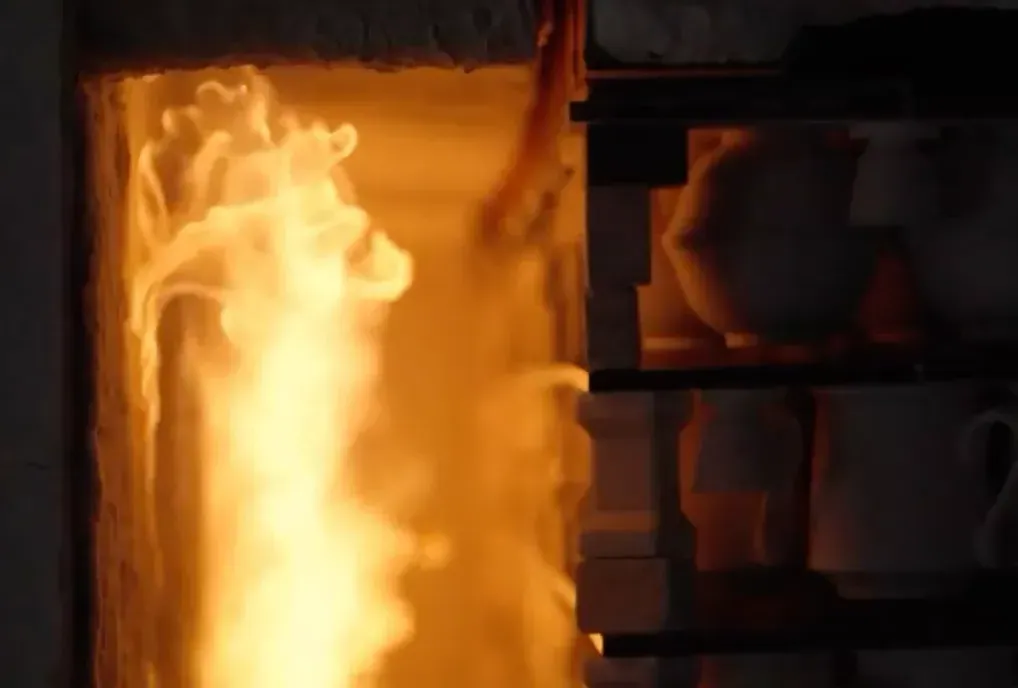
When light passes through, the entire vessel appears to glow from within — a quiet, luminous radiance that has captivated collectors and tea lovers alike for centuries.
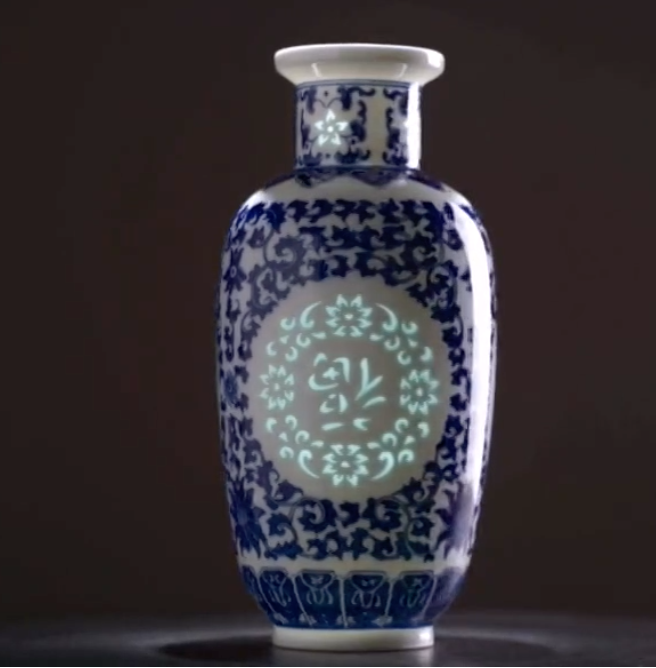
The craft reached its zenith during the Kangxi and Yongzheng reigns of the Qing dynasty, when imperial kilns began combining the openwork technique with cobalt underglaze blue painting. A single piece embodied both the delicate brilliance of the pierced surface and the painterly elegance of blue-and-white decoration. These extraordinary vessels became treasured diplomatic gifts, and their influence spread along trade routes to Europe, where Meissen and Limoges potters drew inspiration from their pierced designs.
Its global development began in earnest through 17th- and 18th-century maritime trade. European merchants and envoys carried Linglong pieces back to the West, where they were displayed in royal collections and aristocratic cabinets. The translucent openwork inspired potters at Meissen in Germany and Limoges in France, who attempted to replicate the pierced effect in hard-paste porcelain. Although European versions never matched the extreme thinness of Jingdezhen originals, they helped spread appreciation for Chinese openwork techniques across the continent.
In the 19th and early 20th centuries, Linglong porcelain continued to influence international exhibitions and museum acquisitions. Major institutions in London, Paris, and New York acquired significant pieces, cementing its reputation as a pinnacle of ceramic artistry. Today, the craft enjoys renewed interest among contemporary designers and mindfulness practitioners who value both its technical mastery and meditative symbolism.
What makes Linglong porcelain enduring is the extreme skill required: the clay wall must be thinned to barely one millimeter while retaining structural integrity. This ancient technique has been preserved with little change, each generation of artisans maintaining the same glowing quality that first astonished the world.
Why Linglong Porcelain Still Matters Today
From the imperial kilns of the Ming dynasty to the contemporary tea table, Linglong porcelain continues to bridge tradition and modern life. These rotating teacups honour a centuries-old craft while speaking the language of today's design — making them equally compelling for collectors of Chinese ceramics, tea enthusiasts seeking a more intentional ritual, and anyone searching for a thoughtful gift with genuine depth.
Whether you find yourself drawn to the phrase engraved on the cup or simply to the warm glow of light passing through translucent porcelain, these cups offer something rare: a daily object that asks you to slow down, to be present, and to savour the moment — one quiet sip at a time.
Tea, Zen, and the Four Philosophical Phrases
Chinese tea culture has long regarded the act of drinking tea as a meditative and spiritual practice — a pause in the rush of daily life, a chance to be fully present. The TeaTsy Linglong teacup collection engraves four classical Chinese phrases into each cup as openwork characters, turning every tea session into a quiet dialogue with centuries of wisdom:
- 得闲饮茶 (Dé Xián Yǐn Chá) — "Time for Tea": A reminder to pause amid busyness and savour a cup of tea in true leisure.
- 茶禅一味 (Chá Chán Yī Wèi) — "Tea and Zen as One": Rooted in Song-dynasty Buddhist teaching — the bitterness and sweetness of tea mirror life's own impermanence and moments of grace.
- 一期一会 (Yī Qī Yī Huì) — "One Moment, One Meeting": Every encounter, every cup of tea, is a once-in-a-lifetime moment worthy of full attention and gratitude.
- 浮生半日 (Fú Shēng Bàn Rì) — "Leisure in Fleeting Days": In a life that passes like a fleeting dream, to steal away half a day for stillness and reflection is its own quiet treasure.
These four phrases are not mere decorative motifs — they are structurally woven into the cup wall as openwork. When hot tea is poured and steam rises, the characters shimmer with shifting light. Every sip becomes a gentle prompt to slow down and listen inward.
Modern Design: The Rotating Base and Mindful Ritual
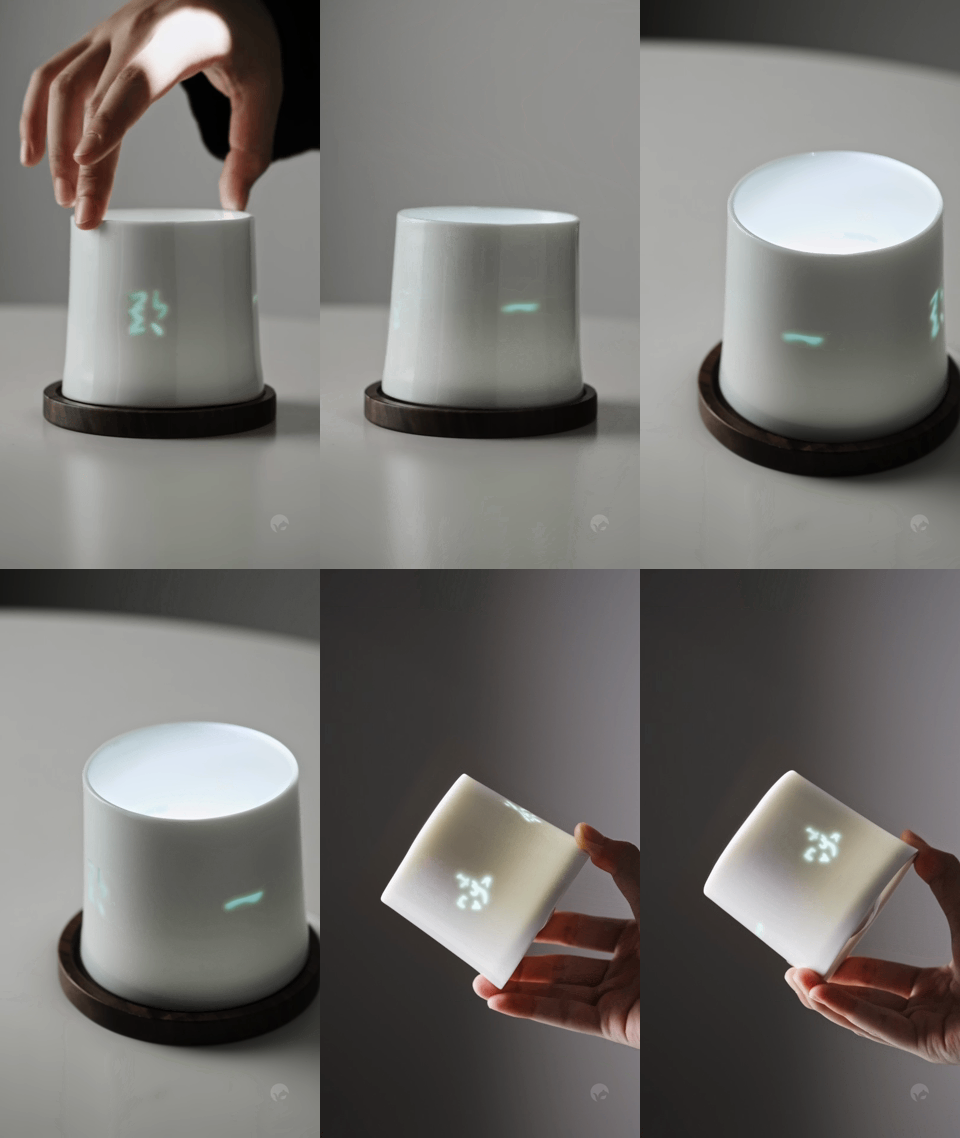
The TeaTsy Linglong Porcelain Mug Collection bridges ancient craftsmanship and contemporary design sensibility, creating a tea set that is as meaningful to use as it is beautiful to behold. Four thin-walled white porcelain cups rest on a circular black walnut base engineered to rotate a full 360° with effortless smoothness. As you turn the cup, the openwork characters catch the light from different angles — making the act of admiring the piece a ritual in itself.
The warm grain of black walnut plays against the cool clarity of the white porcelain, where classical heritage and modern minimalism meet. Lift the cup, breathe in the tea's aroma as it drifts through the carved openwork, and let the slow rotation ground you in the present moment. Whether used for a quiet morning brew or an evening reflection, this set invites you to make tea something more than a drink.
Explore the Linglong Teacup Collection
Each of the four cups in this collection is engraved with one of the four philosophical phrases — together forming a complete set that celebrates Eastern aesthetics and the spirit of mindfulness. Click the cards below to explore each piece and find the one that speaks to you:
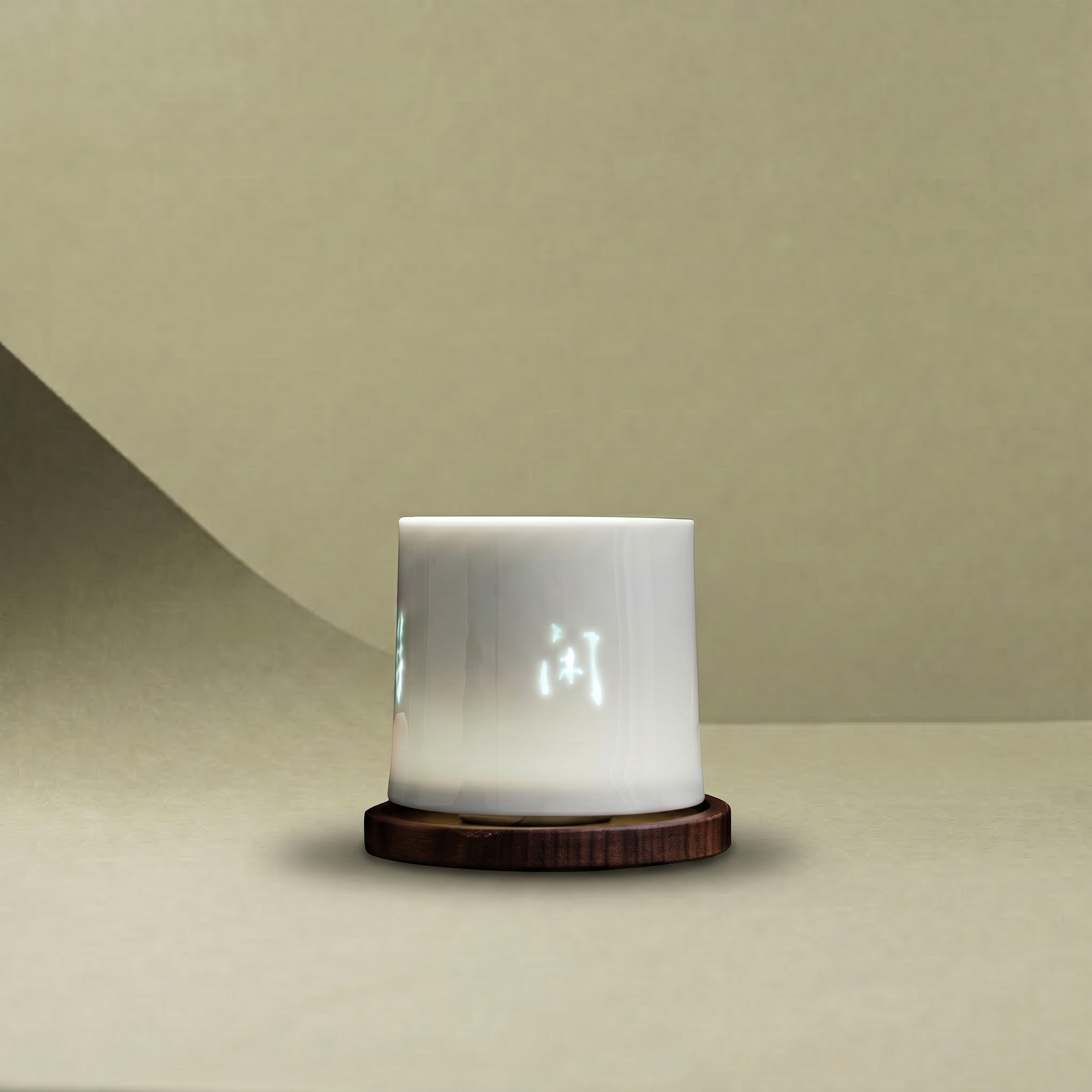
得閒飲茶 "Time for Tea" · De Xian Yin Cha $29.99 USD Shop Now → |
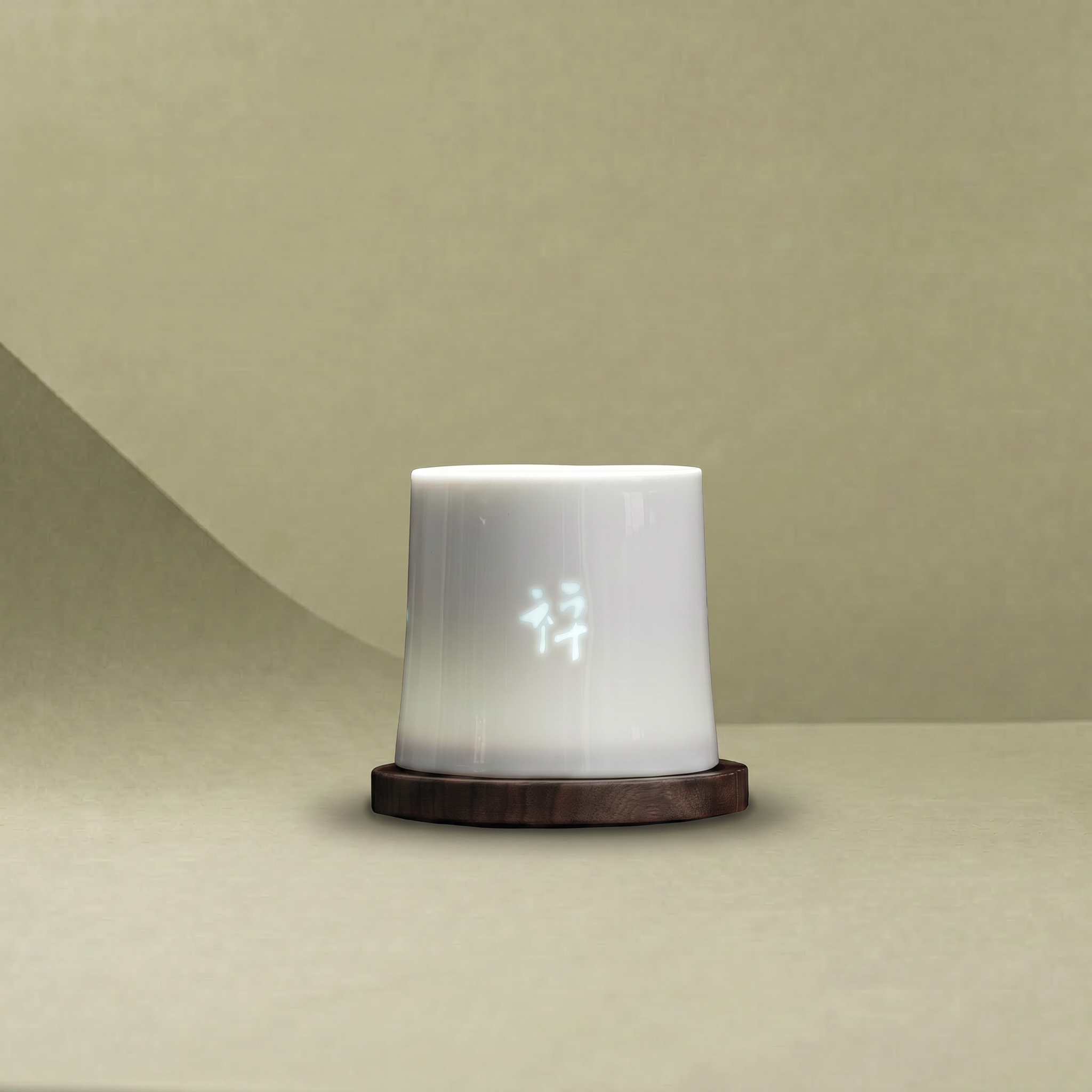
茶禪一味 "Tea and Zen as One" · Cha Chan Yi Wei $29.99 USD Shop Now → |
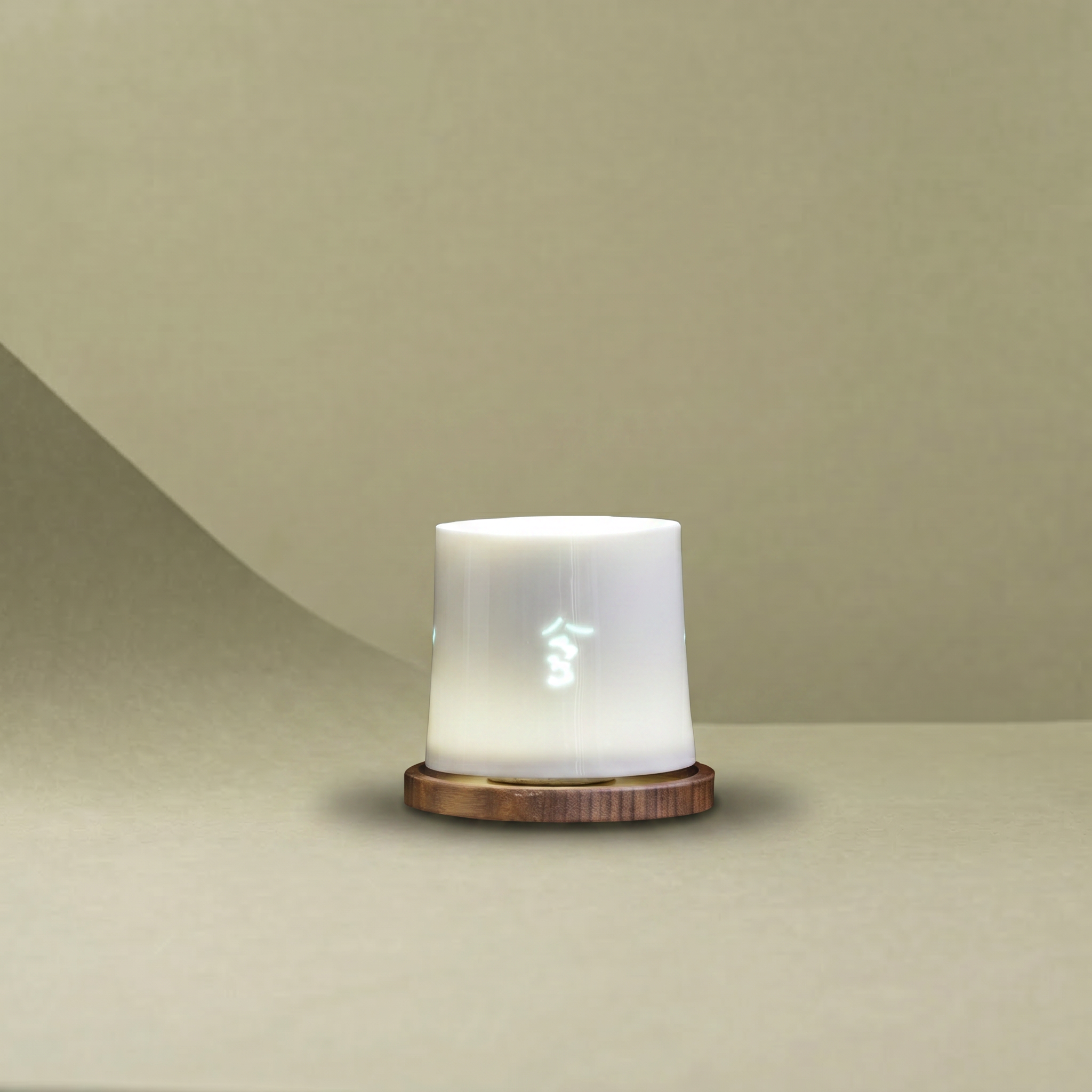
一期一會 "One Moment, One Meeting" · Yi Qi Yi Hui $29.99 USD Shop Now → |
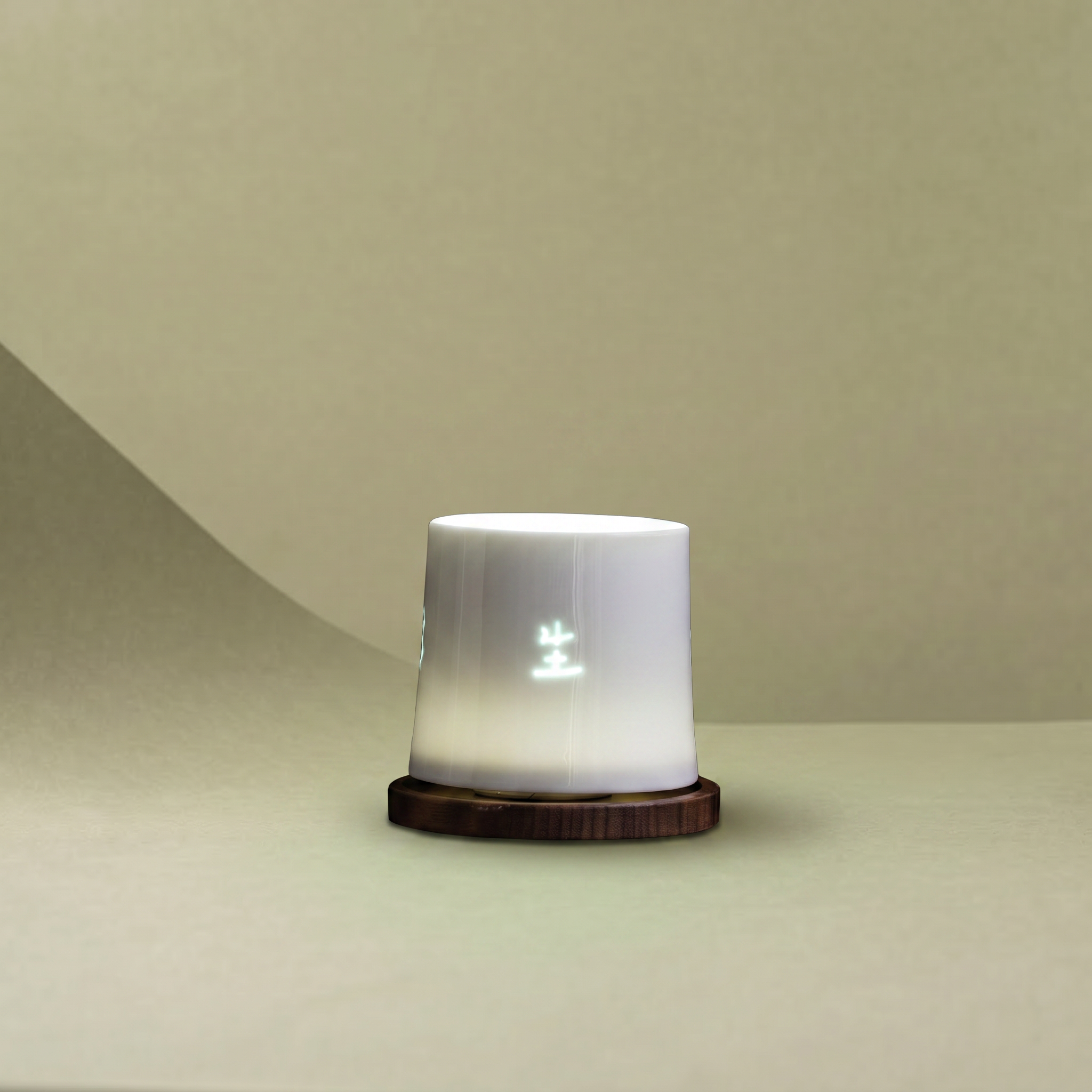
浮生半日 "Leisure in Fleeting Days" · Fu Sheng Ban Ri $29.99 USD Shop Now → |
TeaTsy Linglong Teacups as Thoughtful Gifts
TeaTsy Linglong teacups make outstanding gifts because they combine cultural depth, artistic beauty, and practical mindfulness. Recipients receive not only exquisite tableware but also daily reminders of presence and gratitude. The rotatable design encourages personal ritual, while the openwork phrases introduce recipients to classical Chinese philosophy in an accessible way. Whether for birthdays, housewarmings, weddings, or corporate appreciation, these sets offer lasting value that transcends ordinary gifts — they invite the recipient to slow down and savour life, one cup at a time.
FAQ
What is Linglong porcelain?
Linglong porcelain is a translucent openwork technique developed in Jingdezhen, where characters or patterns are pierced through the clay wall before firing, allowing light to pass through.
Are the TeaTsy cups safe for daily use?
Yes. Despite being extremely thin, the cups are durable, microwave-safe, and dishwasher-safe.
How does the rotating base work?
Each cup sits in a precisely fitted recess on the black walnut base and can be turned 360 degrees smoothly.
Why are these teacups good gifts?
They combine historic artistry, philosophical meaning, and interactive design, offering recipients both beauty and a daily mindfulness practice.
Can I buy individual cups?
Yes. Each phrase is available as a single cup, allowing you to build your collection gradually.
Experience the quiet elegance of Linglong white porcelain teacups and let four poetic phrases guide your daily ritual, one sip at a time.
Comentario