

Why Are Chinese Teacups So Small? The Cultural Significance Explained
Aug 06,2025 | TeaTsy Team
In the intricate world of Chinese tea culture, one element stands out for its understated elegance: the small teacup. Often no larger than a thimble, these delicate vessels are synonymous with the traditional Gongfu tea ceremony, particularly in Guangdong’s Chaoshan region. Far from being a mere quirk, the use of small teacups is deeply rooted in history, practicality, and sensory appreciation. Known as pinmingbei (tasting cups), they are designed to elevate the experience of savoring teas like oolong and pu-erh, allowing drinkers to immerse themselves in the tea’s aroma and flavor. But why are Chinese teacups so small, and what makes them so integral to this ancient tradition? This article delves into the cultural significance, historical origins, and practical advantages of these tiny cups, offering insights for tea enthusiasts and curious minds alike.
Historical Origins of Small Teacups
Ancient Beginnings
The tradition of using small teacups in Chinese tea culture traces back to the Tang (618–907 CE) and Song (960–1279 CE) dynasties, when tea drinking evolved from a medicinal practice to a refined art form. During the Tang dynasty, tea was often consumed in larger bowls, but by the Song dynasty, the emphasis shifted toward savoring tea’s nuances. Small teacups began to appear in scholarly gatherings, where literati appreciated tea’s aesthetic and philosophical qualities. These early cups, often made of porcelain, were designed to fit comfortably in the hand, encouraging a mindful connection with the tea.
The Rise of Gongfu Tea
The use of small teacups became prominent with the development of the Gongfu tea ceremony in the Chaoshan region of Guangdong. Emerging during the Ming dynasty (1368–1644 CE), Gongfu tea—meaning "tea with skill"—emphasized precision and artistry. Small teacups, typically holding 20–50 ml, were integral to this practice, allowing for multiple infusions of high-quality teas like oolong and pu-erh. The compact size reflected the ceremony’s focus on quality over quantity, encouraging drinkers to savor each sip. This tradition spread across China and remains a hallmark of Chaoshan tea culture today.
Image Suggestion: A vintage porcelain teacup from the Song dynasty, with alt text: "Antique Chinese porcelain teacup from the Song dynasty, showcasing early small teacup design."
Role in Enhancing Tea Flavor and Aroma
Concentrating the Sensory Experience
Small teacups are not just a stylistic choice; they are meticulously designed to enhance the sensory experience of drinking tea. In the Gongfu tea ceremony, teas like oolong and pu-erh are brewed in small quantities to maximize flavor and aroma. The tiny volume of a teacup ensures that each sip is fresh and concentrated, allowing drinkers to appreciate subtle notes—floral, earthy, or woody—that might be lost in a larger vessel. The narrow rim of the cup directs the tea’s aroma toward the nose, intensifying the olfactory experience, which is critical in Chaoshan’s tea-tasting tradition.
Multiple Infusions
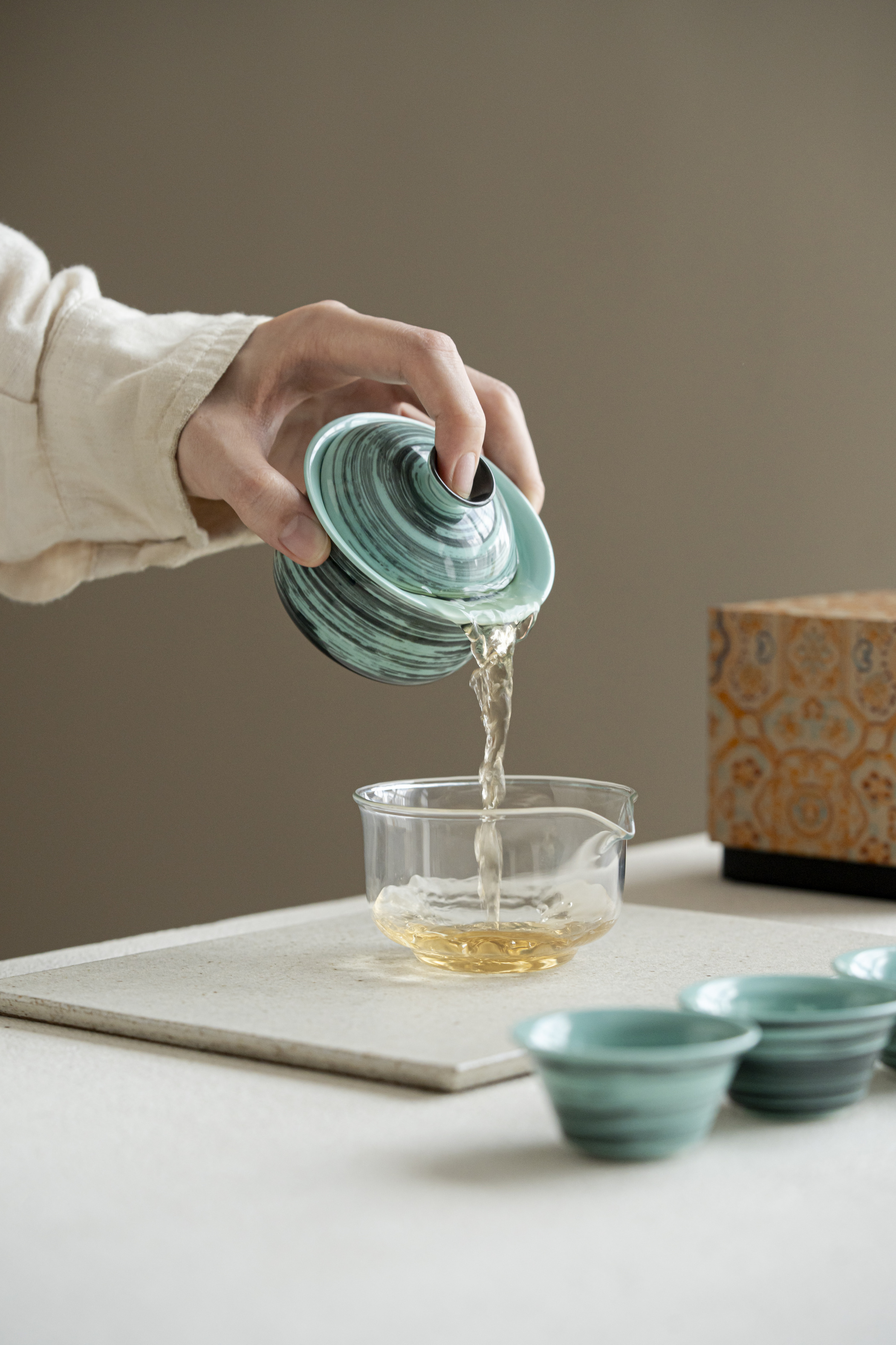
Gongfu tea involves steeping tea leaves multiple times, with each infusion revealing new layers of flavor. Small teacups are ideal for this process, as they allow drinkers to sample each infusion without overwhelming the palate. The compact size encourages slow, deliberate sipping, fostering a meditative appreciation of the tea’s evolving profile. This practice, deeply rooted in Chaoshan culture, underscores the teacup’s role as a tool for mindfulness and connection.
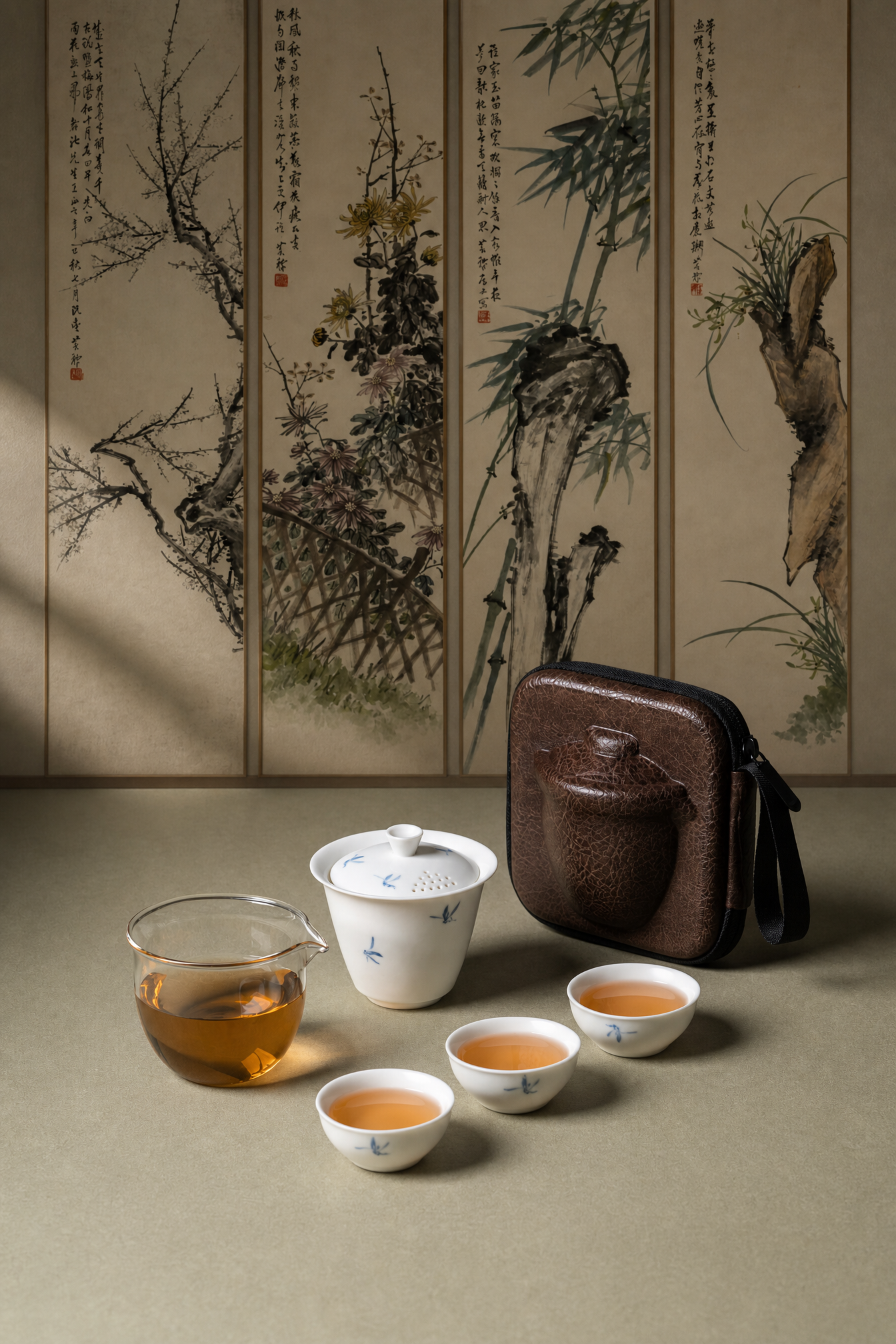
Image Suggestion: A set of small teacups filled with oolong tea during a Gongfu ceremony, with alt text: "Small Chinese teacups used in a Gongfu tea ceremony, enhancing tea flavor and aroma."
Comparison with Larger Cups Used Elsewhere in China
Regional Variations
While small teacups are iconic in Chaoshan’s Gongfu tea culture, other regions of China embrace larger cups, bowls, or even pots for tea drinking. In northern China, for instance, larger ceramic cups or bowls (wan) are common for everyday tea consumption, particularly for green teas like Longjing. These vessels, often holding 100–200 ml, prioritize convenience and volume, suited for casual settings or communal drinking. In contrast, the small teacups of Gongfu tea are reserved for formal or ceremonial occasions, emphasizing refinement and sensory focus.
Cultural Context
The choice between small and large cups often reflects the occasion and intent. Larger cups are practical for daily use or social gatherings, where tea is consumed in greater quantities. In Yunnan, pu-erh tea is sometimes drunk from larger bowls to complement its robust flavor. However, the small teacup’s prominence in Chaoshan reflects a philosophy of precision and appreciation, aligning with the region’s cultural emphasis on craftsmanship and ritual. This contrast highlights the diversity of Chinese tea culture, where teacup size adapts to regional preferences and tea types.
Internal Link: Learn more about the diversity of Chinese tea practices in our Guide to Chinese Tea Types.
Practical Benefits of Small Teacups
Heat Retention
One practical advantage of small teacups is their ability to retain heat, ensuring the tea remains at an optimal temperature for sipping. In Gongfu tea, where infusions are poured rapidly, the small volume prevents the tea from cooling too quickly, preserving its warmth and flavor. Materials like porcelain or Yixing clay, commonly used for these cups, further enhance heat retention while adding aesthetic appeal.
Enhanced Sipping Experience
The small size of Chinese teacups encourages a deliberate, mindful sipping experience. Unlike larger mugs, which may lead to gulping, small teacups prompt drinkers to take small, measured sips, allowing them to fully engage with the tea’s texture and taste. The ergonomic design, often without handles, fits comfortably between the fingers, as described in guides on how to hold a Chinese tea cup. This tactile connection enhances the ritualistic aspect of tea drinking, making it a multisensory experience.
Portion Control and Mindfulness
Small teacups promote portion control, aligning with the health-conscious trend of mindful consumption. By limiting the volume per sip, they encourage drinkers to focus on quality rather than quantity, reducing the risk of overconsumption. This aligns with the health benefits of teas like pu-erh, which may support digestion and weight management when consumed in moderation.
Modern Adaptations of Small Teacups
Handleless Designs
Modern Chinese teacups often retain their traditional small size but feature innovative designs, such as cups without handles. These handleless cups, inspired by historical pinmingbei, are popular for their minimalist aesthetic and practicality, allowing drinkers to feel the tea’s warmth directly. They are widely used in both traditional and contemporary tea settings, appealing to modern tea enthusiasts seeking authenticity.
Material Innovations
While porcelain and Yixing clay remain popular, modern small teacups are crafted from materials like glass and ceramic, offering durability and visual clarity. Glass teacups, for instance, allow drinkers to appreciate the tea’s color, particularly for green or white teas. These adaptations cater to global audiences while preserving the cultural essence of small teacups, making them accessible for home tea ceremonies.
Global Influence
The popularity of Chinese tea culture has spread worldwide, with small teacups becoming a symbol of authenticity in tea shops and homes. Online retailers offer a variety of designs, from traditional to modern, catering to collectors and casual drinkers alike. This global adoption reflects the enduring appeal of small teacups as both functional tools and cultural artifacts.
FAQ: Common Questions About Small Chinese Teacups
Why Do Chinese Use Small Teacups?
Small teacups are used in Chinese tea culture, particularly in Gongfu tea ceremonies from Chaoshan, to enhance the tea’s flavor and aroma. Their compact size allows for multiple infusions, encouraging mindful sipping and sensory appreciation.
Are Small Teacups Only for Gongfu Tea?
While most associated with Gongfu tea, small teacups are also used in other Chinese tea practices, especially for high-quality teas like oolong and pu-erh, where flavor concentration is key.
How Should You Hold a Small Chinese Teacup?
Hold a small Chinese teacup between your thumb and fingers, supporting the base gently. This technique, common in Gongfu tea, enhances the tactile experience and respects tradition.
Can You Use Small Teacups for All Teas?
Small teacups are ideal for teas requiring careful tasting, like oolong and pu-erh, but larger cups may be better for everyday teas like green tea in casual settings.
Conclusion
The small teacup is more than a vessel; it’s a cornerstone of Chinese tea culture, embodying centuries of tradition, artistry, and mindfulness. From their historical roots in the Song dynasty to their central role in Chaoshan’s Gongfu tea ceremonies, these tiny cups enhance the sensory experience of tea drinking, making every sip a moment of connection. Whether you’re a tea enthusiast or a cultural explorer, understanding the significance of small teacups offers a deeper appreciation for China’s rich tea heritage. Try incorporating them into your own tea ritual to experience their magic firsthand.
Ready to dive deeper into Chinese tea culture? Check out our articles on the Gongfu Tea Ceremony and Choosing the Perfect Chinese Tea Set for more insights.
Comentario

1 comentarios