
Jingshan Maofeng Green Tea: 1,200 Years from Zen Temple to Your Cup
Sep 24,2026 | TeaTsy Team
Introduction
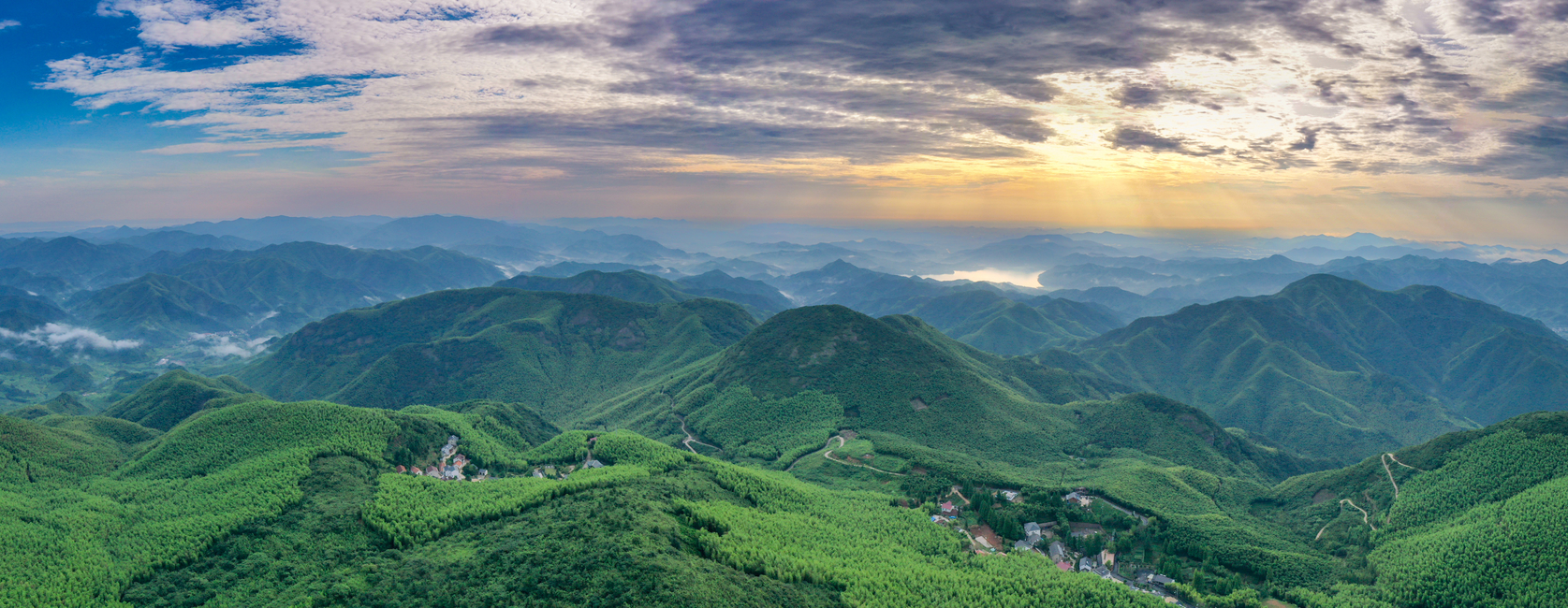
Ask most tea lovers to name a green tea from Hangzhou, and they will say Longjing (Dragon Well). Yet beyond West Lake, on a forested mountain in Yuhang District, grows a tea with an equally compelling story: Jingshan Maofeng (径山毛峰).
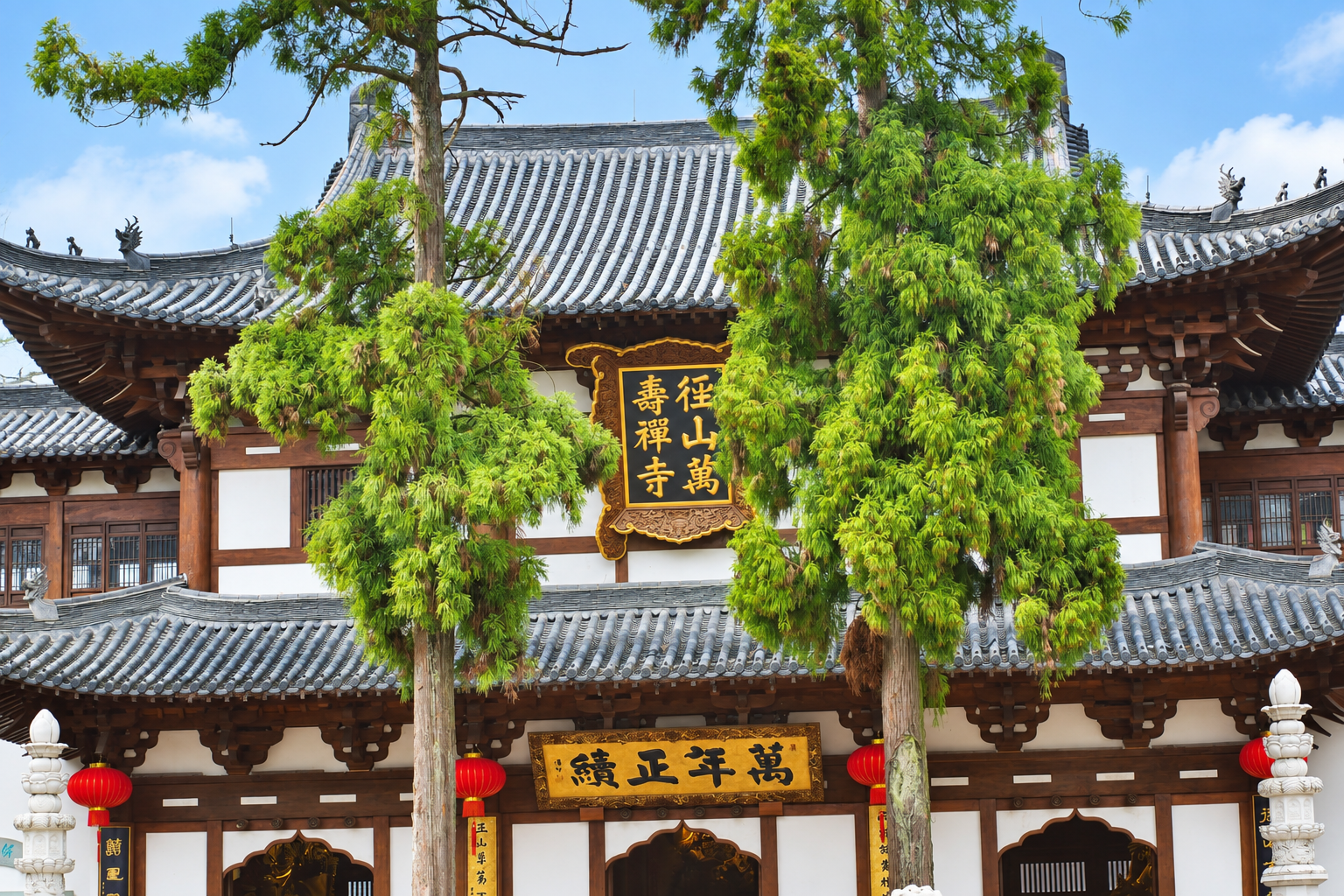
This is the tea of Jingshan Temple — a Zen monastery whose formal tea rituals, encountered by visiting Japanese monks in the 13th century, became one of the important historical influences on Japanese tea culture.
This article explores what Jingshan Maofeng is, its history from the Tang dynasty to its place within China's UNESCO-recognized tea heritage, how it tastes, and how to brew it properly.
What Is Jingshan Maofeng?
Jingshan Maofeng is a traditional Chinese green tea grown in the Jingshan area of Yuhang, Hangzhou, Zhejiang Province, near the Tianmu mountain range.
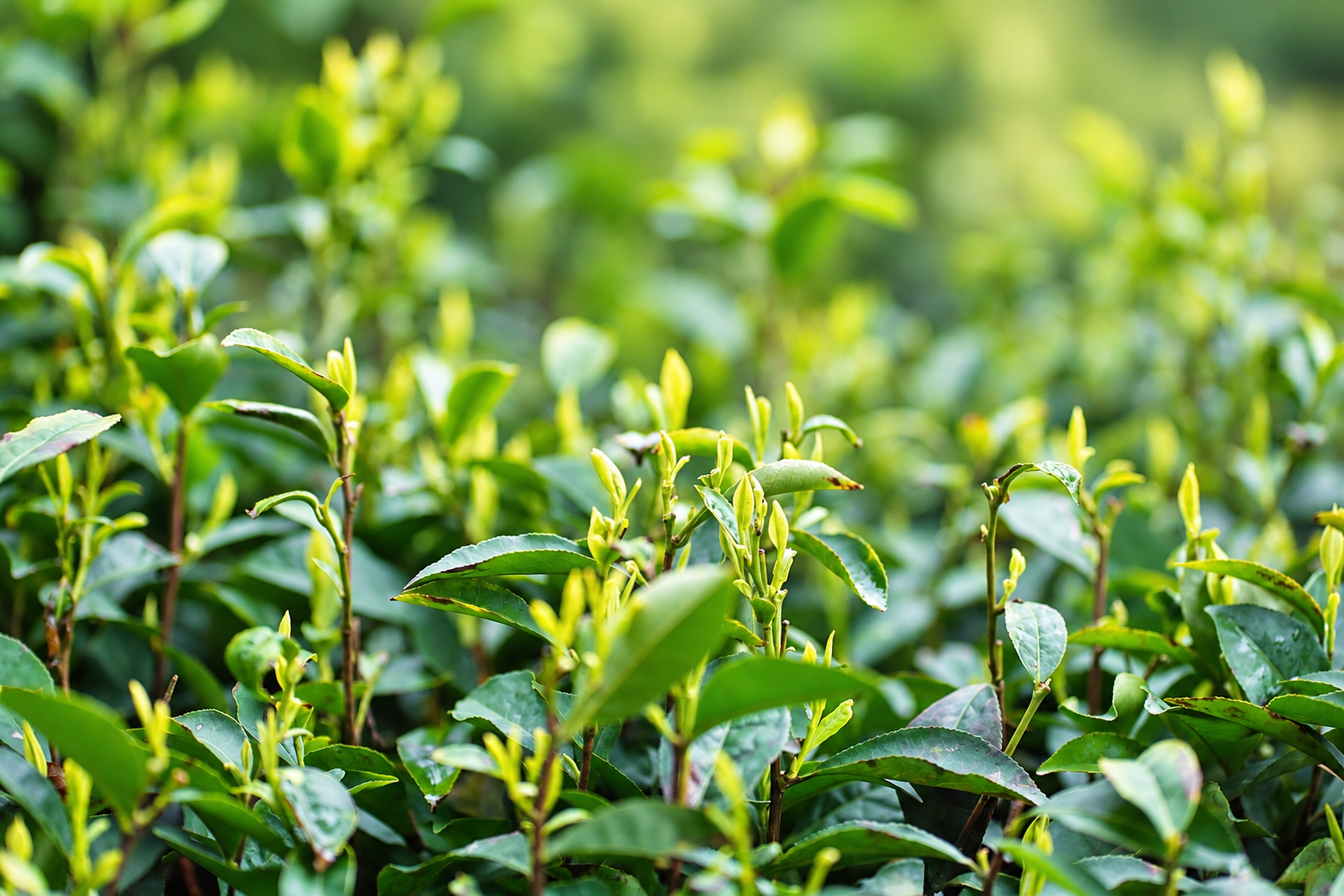
"Maofeng" (毛峰) refers to a style of tea made from tender young leaves, often featuring slender buds covered in fine tea hairs. Spring harvesting preserves the delicate character of these young leaves.
The region's mountainous landscape, misty conditions, and tea-growing traditions help give Jingshan tea its distinctive character. In the cup, this tea offers a fresh aroma, gentle sweetness, and a clean, refreshing finish.
Quick facts:
- Origin: Jingshan, Yuhang District, Hangzhou, Zhejiang, China
- Type: Green tea, hand-rolled and finished using a baked-green process
- Harvest: Spring 2026, pre-rain harvest
- Flavor profile: Tender spring aroma, fresh character, gentle natural sweetness, and a clean finish
- Cultural heritage: The Jingshan Tea Banquet (径山茶宴) is included within "Traditional tea processing techniques and associated social practices in China," inscribed on UNESCO's Representative List of the Intangible Cultural Heritage of Humanity in 2022
Tang Dynasty Origins: A Monk Plants a Tea Garden
Jingshan's tea history begins with its temple. During the Tang dynasty, in the eighth century, the Chan (Zen) monk Faqin (法钦) established a monastery on the mountain. According to local historical traditions, tea was cultivated for temple offerings, hospitality, and the daily life of monks.
The connection between Jingshan and tea scholarship runs deep. Lu Yu (陆羽), author of The Classic of Tea (《茶经》) — the earliest known comprehensive treatise devoted to tea — spent part of his life in the wider Zhejiang region during the late eighth century. The tea culture he documented belonged to the same historical world in which Jingshan's monastic traditions developed.
Song Dynasty Peak: The Jingshan Tea Ceremony
By the Southern Song dynasty (1127–1279), with the imperial capital relocated to nearby Hangzhou, Jingshan Temple had risen to become the first-ranked of the "Five Mountains and Ten Monasteries" (五山十刹) — one of the most prestigious Zen monasteries in China.
It was here that the Jingshan Tea Banquet (径山茶宴) flourished: a formal gathering in which monks and honored guests participated in carefully structured tea rituals. Traditional elements included inviting guests, ceremonial seating, preparing and offering tea, and drinking together.
During the Song dynasty, powdered tea was often whisked with hot water to create a frothy drink, rather than being steeped as loose leaves in the way many people prepare tea today. The resemblance to later Japanese matcha preparation reflects a long history of cultural exchange across East Asia.
The Journey to Japan
This is where Jingshan's story becomes international. In 1235, the Japanese monk Enni Ben'en (圆尔辨圆) traveled to Jingshan Temple to study Zen under the eminent monk Wuzhun Shifan.
When Enni returned to Japan in 1241, he brought knowledge of Chinese Zen teachings and tea culture. Historical traditions also associate his journey with the transmission of tea seeds and tea-growing knowledge. He later founded Tofuku-ji in Kyoto, where Chinese Zen influences continued to develop in a Japanese setting.
Another Japanese monk, Nanpo Jomyo (南浦绍明), studied in China during the 13th century and returned to Japan in 1267. His connection with Jingshan's monastic traditions is also remembered in accounts of the transmission of Zen tea customs.
Over the following centuries, these exchanges contributed to the development of Japanese tea culture, eventually influencing the tradition known as chanoyu — the Japanese tea ceremony.
The Japanese tea ceremony developed its own distinctive forms and aesthetics in Japan, including the later influence of wabi-sabi. Jingshan should therefore be understood as one of its important historical roots, rather than the place where the modern Japanese ceremony was created in its entirety.
In 2022, UNESCO inscribed "Traditional tea processing techniques and associated social practices in China" on its Representative List of the Intangible Cultural Heritage of Humanity. The Jingshan Tea Banquet is one of the traditional tea practices included within this wider inscription.
Decline and Revival
Jingshan tea gradually faded from wider prominence after the Song dynasty, as temple fortunes changed and Chinese tea preparation increasingly shifted from whisked powdered tea toward steeped loose leaves during the Ming dynasty.
For centuries, Jingshan tea remained closely connected to its local growing region in Zhejiang, preserving a tradition that had once played an important role in monastic life.
During the late twentieth century, renewed cultivation and the development of modern production standards helped bring greater attention to Jingshan tea. Today, Jingshan tea is recognized as a protected geographical indication product in China, while Jingshan Temple continues to represent an important part of the region's Buddhist and tea heritage.
How to Brew Jingshan Maofeng
Like many delicate spring green teas, Jingshan Maofeng rewards a gentle approach. A slightly lower water temperature helps preserve its tender aroma and clean, refreshing character.
- Tea leaves: 3 g per 200 ml of water
- Water temperature: 85°C / 185°F
- Steeping time: 2 minutes for the first infusion
- Recommended infusions: Up to 3, adjusting the time according to taste
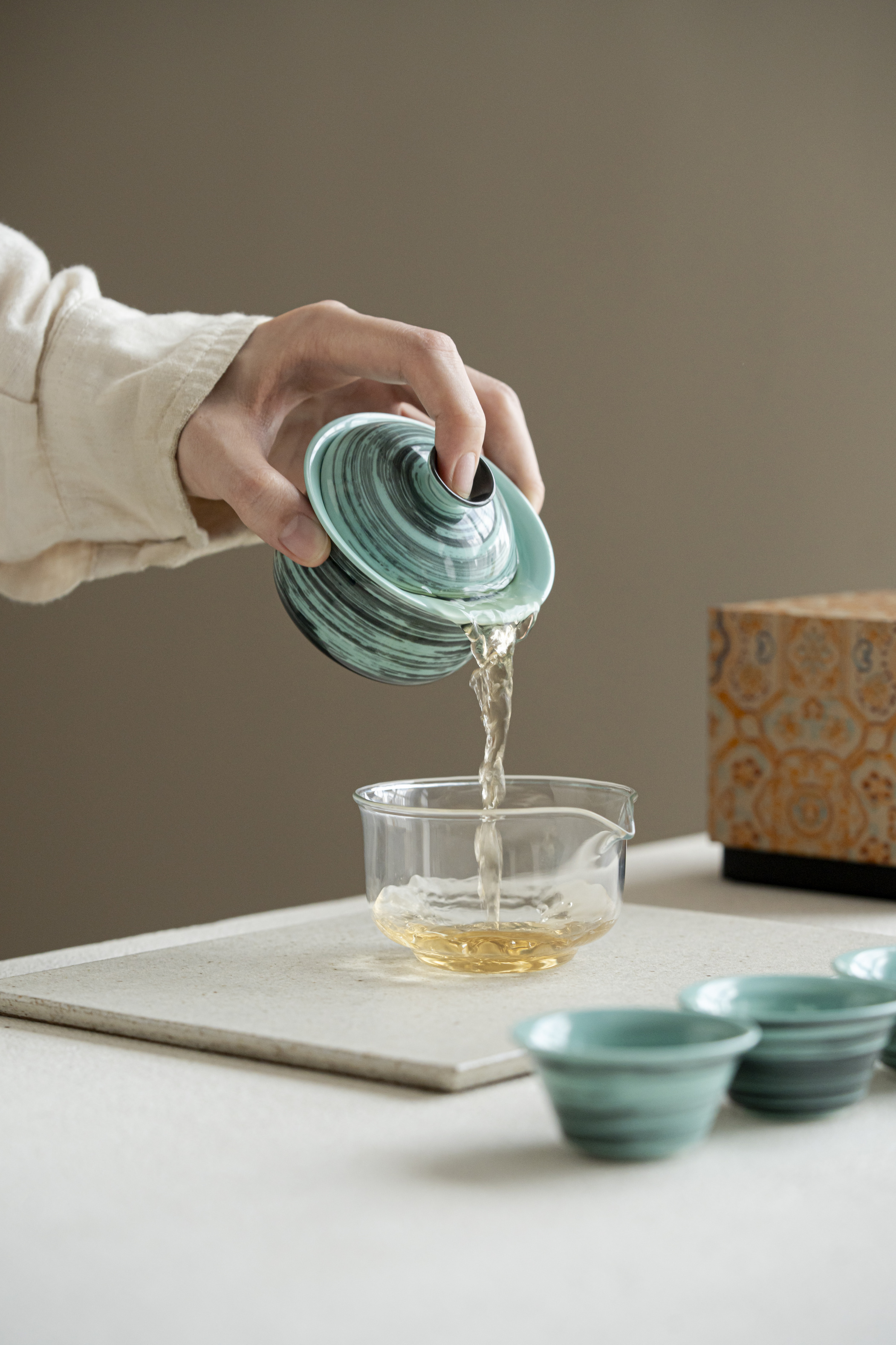
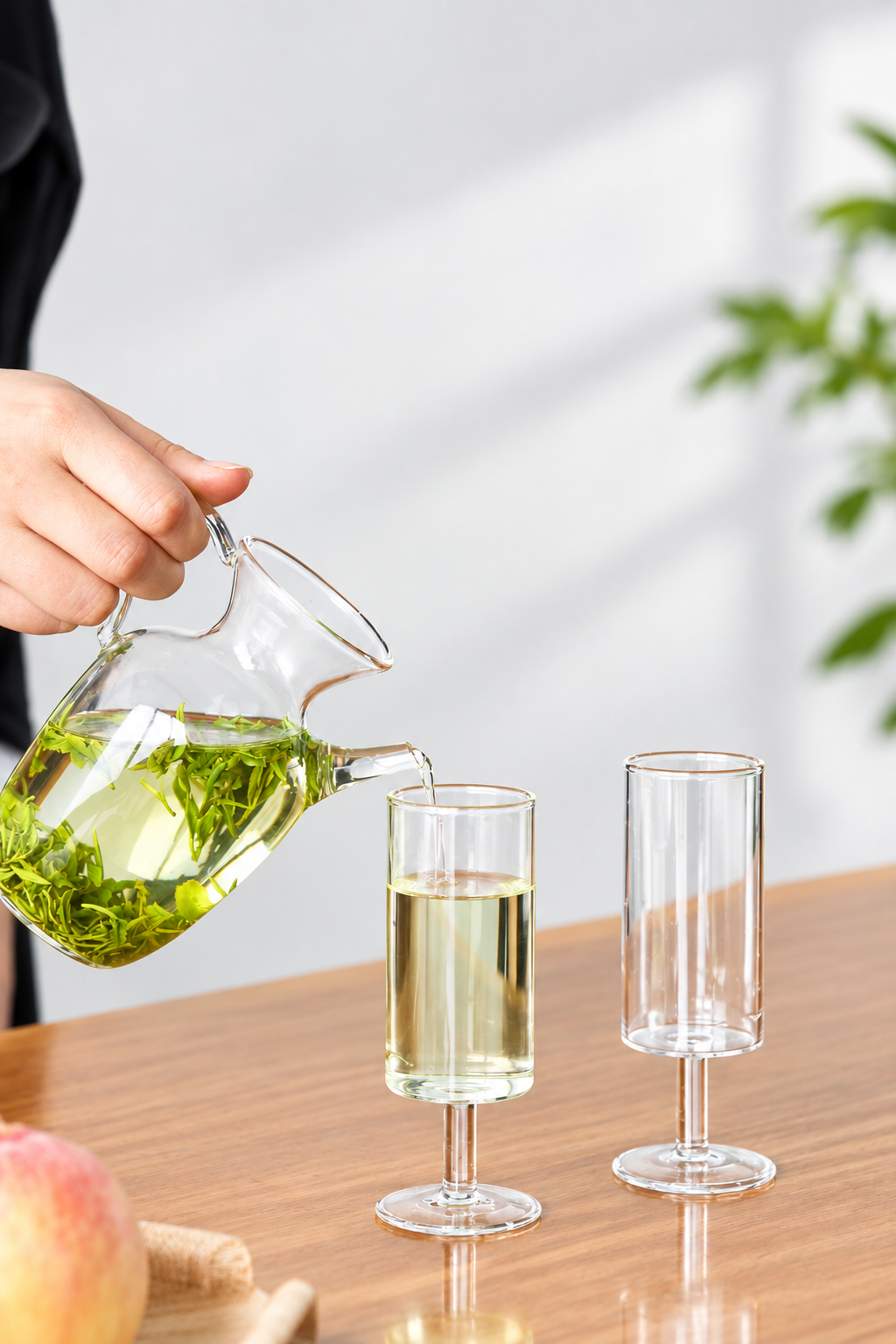
Avoid boiling water, which can overwhelm the tea's delicate freshness. A glass cup is especially enjoyable for this tea, allowing you to watch the tender leaves slowly unfurl as they steep.
Tasting Jingshan's Story with TeaTsy
At TeaTsy, we source our Jingshan Maofeng directly from the Jingshan production area in Yuhang, Hangzhou.
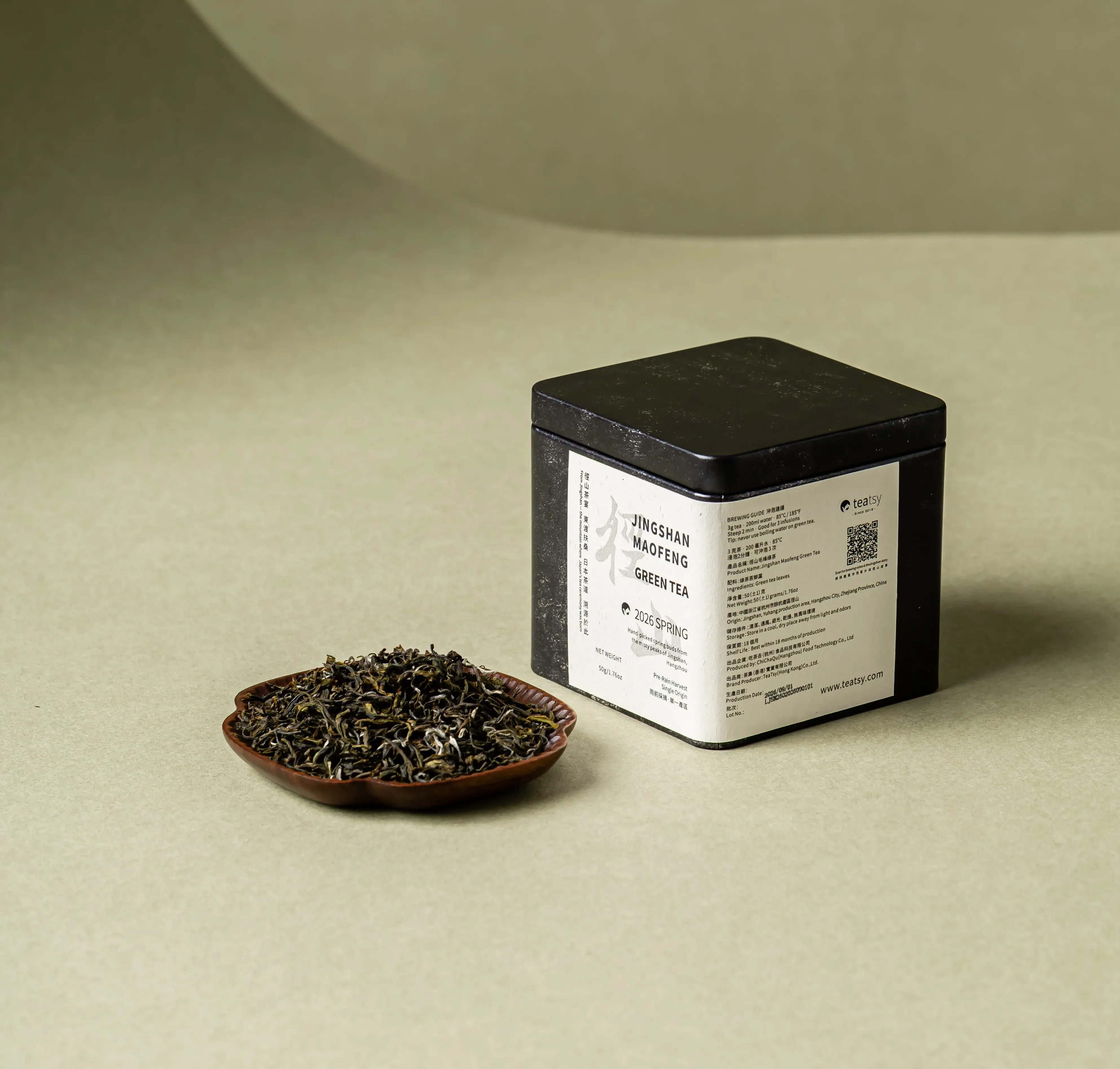
Our 2026 spring harvest is made from tender young leaves, hand-rolled during processing and finished using a baked-green method. The naturally rustic appearance of the dry leaves, including their visible fine tea hairs and subtle variations in shape, reflects the character of the spring material.
Each batch is packed in a 50 g metal tea tin, designed to help protect its fresh aroma and delicate character.
We chose Jingshan Maofeng for our collection for the same reason we create teaware at TeaTsy: because Chinese tea culture is best shared not simply as something from the past, but as a living tradition to be experienced in everyday life. The story of Jingshan offers a way to understand the exchanges that helped shape tea culture across East Asia. With each cup, that history finds a quiet place in the present.
Frequently Asked Questions
Is Jingshan Maofeng the same as Huangshan Maofeng?
No. "Maofeng" describes a style of tea made from tender, often downy young leaves. Huangshan Maofeng comes from Anhui Province, while Jingshan Maofeng comes from the Jingshan area of Hangzhou, Zhejiang. They are distinct teas with different regional traditions.
Did the Japanese tea ceremony really come from Jingshan?
Jingshan was an important historical influence on Japanese Zen tea culture. Japanese monks studied at Jingshan Temple during the 13th century and brought knowledge of Buddhist rituals and tea customs back to Japan. The Japanese tea ceremony subsequently developed its own distinctive forms and aesthetics over several centuries.
Does Jingshan Maofeng have caffeine?
Yes. Like other green teas, Jingshan Maofeng naturally contains caffeine. The amount in each cup varies depending on the quantity of tea leaves used, water temperature, and brewing time.
When is the best Jingshan Maofeng harvested?
Spring is the traditional season for harvesting the tender young leaves used in Jingshan tea. Early harvests, particularly those gathered before the Qingming or Grain Rain solar terms, are often highly valued for their delicate character. Our current 2026 spring batch is a pre-rain harvest.
Comentario